

Goudfazant vs Swinhoes fazant
Chrysolophus pictus versus Lophura swinhoii
Speel een quiz met Goudfazant en Swinhoes fazant
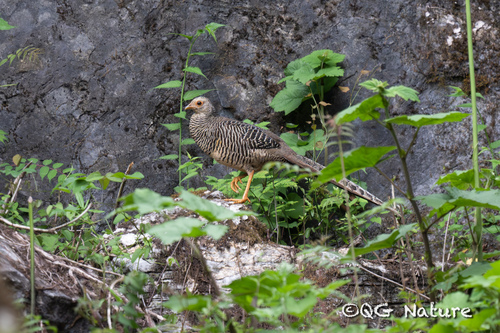 Goudfazant
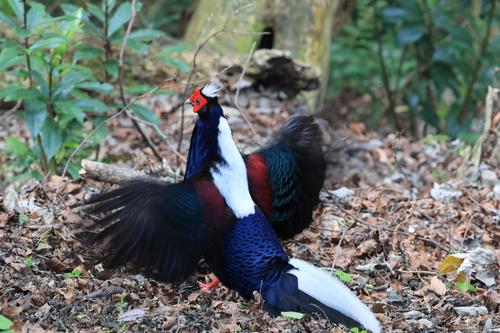 Swinhoes fazant
Kort gezegd
Het meest betrouwbare veldkenmerk om de Goudfazant van de Swinhoes fazant te scheiden is het verenkleed van de mannetjes: Goudfazant mannetjes hebben een gouden kuif en een felrode lichaam, terwijl Swinhoes fazant mannetjes een glanzende blauw-paarse borst, een witte staart en een witte kuif vertonen. Vrouwtjes van beide zijn bruin, maar Goudfazant vrouwtjes zijn meer uniform gestreept en buff, terwijl Swinhoes vrouwtjes gele pijlvormige vlekken en kastanjebruine buitenste staartveren hebben. Juveniele Swinhoes mannetjes zijn donkerblauw met bruine en gele vleugelpatronen, in tegenstelling tot de gemêleerd bruine juvenile Goudfazant. In de vlucht of op afstand zijn staarkleur en -lengte, evenals de algehele lichaamskleur, cruciaal. Beide soorten zijn terrestrische fazanten, maar Swinhoes is endemisch voor Taiwan en Goudfazant is in sommige regio's geïntroduceerd.
Herkenningstips
- Kleur van de kuif van volwassen mannetjes: Goudfazant mannetjes hebben een gouden-gele kuif, terwijl Swinhoes mannetjes een witte kuif en nek hebben. Dit is een snelle controle op elke afstand als de kuif zichtbaar is.
- Lichaamskleur bij mannetjes: Goudfazant mannetjes tonen een felrode lichaam en gouden stuit; Swinhoes mannetjes zijn glanzend blauw-paarse op de borst, buik en stuit, zonder rood of goud.
- Staarkleur en -patroon: Goudfazant mannetjes hebben een zeer lange staart (tot twee derde van de totale lengte), zwart gestippeld met kaneel, en kaneel-buff aan de punt. Swinhoes mannetjes hebben een witte staart met minder extreme lengte.
- Ruff/cape vertoning: Alleen Goudfazant mannetjes hebben een oranje ruff die over het gezicht kan worden gefan, wat een opvallende zwart-oranje waaier vormt. Swinhoes mannetjes hebben deze eigenschap niet.
- Wangetjes: Swinhoes mannetjes hebben prominente rode wangetjes, vooral tijdens de vertoning. Goudfazant wangetjes zijn geel en minder opvallend.
- Vrouwtjes verenkleed: Goudfazant vrouwtjes zijn dof bruin met gestreept buff en zwartachtig bruin, en een eenvoudige buff buik. Swinhoes vrouwtjes hebben gele, pijlvormige vlekken en kastanjebruine buitenste staartveren, wat een meer gevarieerd en kleurrijk uiterlijk geeft.
- Juveniele/onvolwassen mannetjes: Juveniele Swinhoes mannetjes zijn donkerblauw met bruine en gele vleugelpatronen, terwijl Goudfazant onvolwassenen meer uniform bruin en gestreept zijn, zonder blauw of geel.
- Kleur van de poten: Beide soorten worden in deze bronnen beschreven met gele poten; vertrouw niet op dit kenmerk voor scheiding.
- Kleur van de snavel: Beide hebben gele snavels; niet nuttig voor scheiding.
- Grootte en structuur: Goudfazant is groter en langer, vooral de staart. Swinhoes is compacter, met een kortere staart in verhouding tot het lichaam.
- Vlucht en jizz: Beide zijn terughoudende vliegers, maar de langere staart van de Goudfazant is duidelijk in de vlucht of wanneer ze rennen. Swinhoes heeft een meer gebalanceerd, minder staartzwaar profiel.
- Habitat en verspreiding: Swinhoes is alleen wild in Taiwan; Goudfazant is inheems in China maar geïntroduceerd in het VK en Hawaii. Als gezien in het wild buiten Taiwan, is Goudfazant veel waarschijnlijker.
- Vertoningsgedrag: Goudfazant mannetjes fannen hun ruff over het gezicht; Swinhoes mannetjes hoppen, rennen in cirkels, en flapperen met hun vleugels, met frontale staart-fanning.
- Vrouwtjes verwarring: Beide vrouwtjes zijn bruin, maar Swinhoes heeft meer gele vlekken en kastanjebruin in de staart, terwijl Goudfazant meer uniform gestreept en buff is.
- Hybride verwarring: In het VK kunnen sommige Goudfazanten hybride kenmerken vertonen met de Lady-Amherstfazant, maar Swinhoes maakt geen deel uit van deze hybride populaties.
Grootte
Goudfazant is over het algemeen groter en langer, vooral bij mannetjes, met een lichaamsgewicht van ongeveer 625 g en een totale lengte tot 100 cm (voornamelijk staart). Swinhoes fazant mannetjes bereiken tot 79 cm in lengte, waardoor ze merkbaar korter en compacter zijn. Vrouwelijke Goudfazanten zijn ook langer (60–80 cm) dan Swinhoes, hoewel beide vergelijkbaar zijn in slanker en minder opvallend dan mannetjes. De staartlengte is proportioneel groter bij Goudfazant, vooral bij mannetjes.
Verenkleed
- Juvenielen/Onvolwassenen: Juveniele Swinhoes mannetjes zijn donkerblauw met bruine en gele vleugelpatronen, terwijl Goudfazant juvenielen (vooral vrouwtjes) gemêleerd bruin en gestreept buff zijn, zonder sterke blauwe of gele contrasten. Er is geen onderscheidend bovenvleugelpatroon beschreven voor Goudfazant onvolwassenen, maar Swinhoes juvenile mannetjes kunnen meer contrast op de vleugel vertonen.
- Volwassen Mannetjes: Goudfazant mannetjes zijn onmiskenbaar met een gouden kuif, oranje ruff, felrode lichaam, groene bovenrug, blauwe tertials, en een lange, kaneel-zwart gestippelde staart. Swinhoes mannetjes hebben een witte kuif en nek, glanzende blauw-paarse borst en buik, witte staart, en rode wangetjes. De Swinhoes mist de gouden of rode tinten van Goudfazant, en vertoont in plaats daarvan een driekleurig (rood, wit, blauw) uiterlijk.
- Volwassen Vrouwtjes: Goudfazant vrouwtjes zijn doffer, met overwegend bruin, gestreept buff en zwartachtig bruine borst en zijkanten, en een eenvoudige buff buik. Swinhoes vrouwtjes zijn bruin maar gemarkeerd met gele, pijlvormige vlekken en complexe streping, plus kastanjebruine buitenste staartveren. Swinhoes vrouwtjes zijn minder uniform gestreept en vertonen meer patroonvorming op de vleugels en staart.
- Potens en Snavel: Beide soorten hebben gele poten, maar Swinhoes wordt specifiek opgemerkt voor rode poten (mogelijk een verwarring met Mikadofazant; voor deze twee worden beide beschreven als geel). Beide hebben gele snavels.
Gedrag
Beide soorten zijn terrestrisch en voeren uitgebreide paarvertoningen uit. Goudfazant mannetjes spreiden hun oranje ruff om een waaier over het gezicht te vormen, terwijl Swinhoes mannetjes zich vertonen door te hoppen, in cirkels te rennen, de staart te fannen en met hun vleugels te flapperen. Swinhoes vertoning is actiever en omvat prominente rode wangetjes. In het veld zijn beide soorten meestal schuw en kunnen ze in dekking schieten in plaats van ver te vliegen.
Habitat
Goudfazant is inheems in bossen in het bergachtige westen van China, maar is geïntroduceerd in delen van het VK en Hawaii, vaak in bossen of landgoederen. Swinhoes fazant is endemisch voor Taiwan en te vinden in loofbossen op gemiddelde hoogtes. Als waargenomen buiten Taiwan, is Swinhoes bijna zeker in gevangenschap of ontsnapt, terwijl Goudfazant in sommige regio's verwilderd kan zijn. Habitat alleen is zelden diagnostisch, tenzij in Taiwan.