

Fagiano dorato vs Swinhoe's Pheasant
Chrysolophus pictus contro Lophura swinhoii
Fai un quiz con Fagiano dorato e Swinhoe's Pheasant
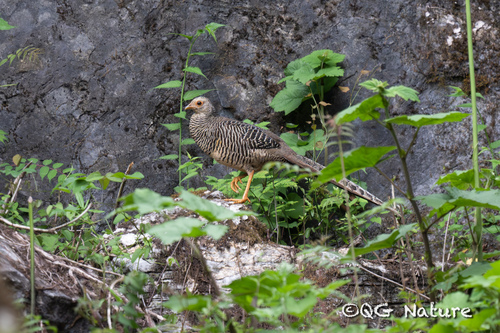 Fagiano dorato
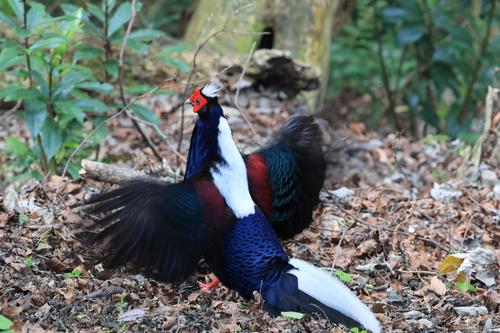 Swinhoe's Pheasant
In breve
Il segno di campo più affidabile per separare il Fagiano dorato dal Swinhoe's Pheasant è il piumaggio del maschio: i maschi del Fagiano dorato hanno una cresta dorata e un corpo rosso brillante, mentre i maschi del Swinhoe's Pheasant mostrano un petto blu-viola lucido, una coda bianca e una cresta bianca. Le femmine di entrambi sono marroni, ma le femmine del Fagiano dorato sono più uniformemente striate e color crema, mentre le femmine del Swinhoe's hanno macchie gialle a forma di freccia e piume esterne della coda color bordeaux. I maschi giovani del Swinhoe's sono blu scuro con motivi di ali marroni e gialli, a differenza del giovane Fagiano dorato maculato di marrone. In volo o a distanza, il colore e la lunghezza della coda, così come la tonalità generale del corpo, sono fondamentali. Entrambe le specie sono fagiani terrestri, ma il Swinhoe's è endemico di Taiwan e il Fagiano dorato è stato introdotto in alcune regioni.
Consigli di identificazione
- Colore della cresta del maschio adulto: I maschi del Fagiano dorato hanno una cresta giallo dorata, mentre i maschi del Swinhoe's hanno una cresta e una nuca bianche. Questo è un controllo rapido a qualsiasi distanza se la cresta è visibile.
- Colore del corpo nei maschi: I maschi del Fagiano dorato mostrano un corpo rosso brillante e un groppone dorato; i maschi del Swinhoe's sono blu-viola lucido sul petto, ventre e groppone, senza rosso o oro.
- Colore e motivo della coda: I maschi del Fagiano dorato hanno una coda molto lunga (fino a due terzi della lunghezza totale), nera macchiata di cannella, e color crema-cannella all'estremità. I maschi del Swinhoe's hanno una coda bianca con una lunghezza meno estrema.
- Display del collare/cappa: Solo i maschi del Fagiano dorato hanno un collare arancione che può essere aperto sopra il viso, formando un colpo d'occhio nero e arancione. I maschi del Swinhoe's non hanno questa caratteristica.
- Wattles: I maschi del Swinhoe's hanno wattles rossi prominenti, specialmente durante il display. I wattles del Fagiano dorato sono gialli e meno evidenti.
- Piumaggio femminile: Le femmine del Fagiano dorato sono marroni opache con striature color crema e marrone scuro, e un addome color crema semplice. Le femmine del Swinhoe's hanno macchie gialle a forma di freccia e piume esterne della coda color bordeaux, dando un aspetto più pattern e colorato.
- Maschi giovani/immaturi: I maschi giovani del Swinhoe's sono blu scuro con motivi di ali marroni e gialli, mentre gli immaturi del Fagiano dorato sono più uniformemente marroni e striati, privi di blu o giallo.
- Colore delle gambe: Entrambe le specie sono descritte con gambe gialle in queste fonti; non fare affidamento su questo segno per la separazione.
- Colore del becco: Entrambi hanno becchi gialli; non utile per la separazione.
- Dimensioni e struttura: Il Fagiano dorato è più grande e lungo, specialmente la coda. Il Swinhoe's è più compatto, con una coda più corta rispetto al corpo.
- Volo e jizz: Entrambi sono volatori riluttanti, ma la coda più lunga del Fagiano dorato è evidente in volo o quando corre. Il Swinhoe's ha un profilo più bilanciato, meno pesante sulla coda.
- Habitat e distribuzione: Il Swinhoe's è solo selvatico a Taiwan; il Fagiano dorato è nativo della Cina ma introdotto nel Regno Unito e alle Hawaii. Se visto in natura al di fuori di Taiwan, è molto più probabile che sia un Fagiano dorato.
- Comportamento di display: I maschi del Fagiano dorato aprono il loro collare sopra il viso; i maschi del Swinhoe's saltano, corrono in cerchio e frullano le ali, con un'apertura frontale della coda.
- Confusione femminile: Entrambe le femmine sono marroni, ma il Swinhoe's ha più macchie gialle e bordeaux nella coda, mentre il Fagiano dorato è più uniformemente striato e color crema.
- Confusione ibrida: Nel Regno Unito, alcuni Fagiani dorati possono mostrare caratteristiche ibride con il Lady Amherst's Pheasant, ma il Swinhoe's non fa parte di queste popolazioni ibride.
Taglia
Il Fagiano dorato è generalmente più grande e lungo, specialmente nei maschi, con una massa corporea di circa 625 g e una lunghezza totale fino a 100 cm (per lo più coda). I maschi del Swinhoe's Pheasant raggiungono fino a 79 cm di lunghezza, rendendoli notevolmente più corti e più compatti. Le femmine del Fagiano dorato sono anche più lunghe (60–80 cm) rispetto al Swinhoe's, anche se entrambe sono simili nel essere più snelle e meno appariscenti rispetto ai maschi. La lunghezza della coda è proporzionalmente maggiore nel Fagiano dorato, specialmente nei maschi.
Piumaggio
- Giovani/Immaturi: I maschi giovani del Swinhoe's sono blu scuro con motivi di ali marroni e gialli, mentre i giovani del Fagiano dorato (specialmente le femmine) sono maculati di marrone e striati di crema, privi di forti contrasti blu o gialli. Non è descritto alcun motivo distintivo per le ali dei giovani del Fagiano dorato, ma i maschi giovani del Swinhoe's possono mostrare più contrasto sulle ali.
- Maschi adulti: I maschi del Fagiano dorato sono inconfondibili con una cresta dorata, un collare arancione, un corpo rosso brillante, una parte superiore verde, terziali blu e una lunga coda macchiata di cannella e nero. I maschi del Swinhoe's hanno una cresta e una nuca bianche, un petto e un ventre blu-viola lucido, una coda bianca e wattles rossi. Il Swinhoe's manca delle tonalità dorate o rosse del Fagiano dorato, mostrando invece un aspetto tricolore (rosso, bianco, blu).
- Femmine adulte: Le femmine del Fagiano dorato sono più opache, con un marrone generale, striature color crema e un petto e lati marrone scuro, e un addome color crema semplice. Le femmine del Swinhoe's sono marroni ma contrassegnate con macchie gialle a forma di freccia e barrature complesse, oltre a piume esterne della coda color bordeaux. Le femmine del Swinhoe's sono meno uniformemente striate e mostrano più pattern sulle ali e sulla coda.
- Gambe e becco: Entrambe le specie hanno gambe gialle, ma il Swinhoe's è specificamente notato per le gambe rosse (possibile confusione con il Mikado Pheasant; per questi due, entrambi sono descritti come gialli). Entrambi hanno becchi gialli.
Comportamento
Entrambe le specie sono terrestri e svolgono elaborate esibizioni di corteggiamento. I maschi del Fagiano dorato aprono il loro collare arancione per formare un ventaglio sopra il viso, mentre i maschi del Swinhoe's si esibiscono saltando, correndo in cerchio, aprendo la coda e frullando le ali. Il display del Swinhoe's è più attivo e coinvolge wattles rossi prominenti. Sul campo, entrambe le specie tendono ad essere timide e possono rifugiarsi piuttosto che volare lontano.
Habitat
Il Fagiano dorato è nativo delle foreste nella Cina occidentale montuosa ma è stato introdotto in alcune parti del Regno Unito e delle Hawaii, spesso in boschi o tenute. Il Swinhoe's Pheasant è endemico di Taiwan e si trova in foreste a foglia larga a medie altitudini. Se osservato al di fuori di Taiwan, il Swinhoe's è quasi certamente in cattività o scappato, mentre il Fagiano dorato può essere selvatico in alcune regioni. L'habitat da solo è raramente diagnostico a meno che non si sia a Taiwan.
Fagiano dorato · Swinhoe's Pheasant · I miei uccelli difficili