

Yungas Tody-Tyrant vs Acre Tody-Tyrant
Hemitriccus spodiops contro Hemitriccus cohnhafti
Fai un quiz con Yungas Tody-Tyrant e Acre Tody-Tyrant
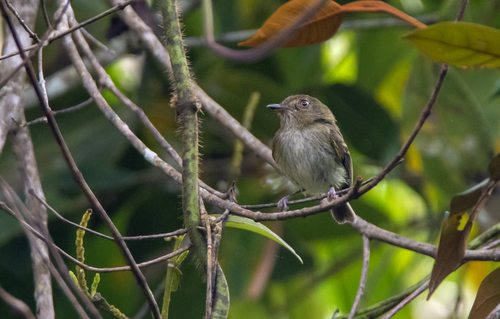 Yungas Tody-Tyrant
 Acre Tody-Tyrant
In breve
Il segno distintivo più affidabile per separare il Yungas Tody-Tyrant dall'Acre Tody-Tyrant è il colore e il motivo delle parti inferiori e dei bordi delle ali negli adulti: il Yungas mostra un petto oliva grigiastro con sottili striature bianche e un ventre giallo-bianco chiaro, mentre l'Acre ha un petto verde oliva con striature giallo-cremose distinte e un ventre inferiore giallo zolfo nettamente definito. Nelle ali, l'Acre Tody-Tyrant mostra penne di volo nerastre con bordi esterni gialli e bordi interni bianchi, creando un motivo più contrastante rispetto alle ali verde oliva scuro del Yungas con solo barre alari giallo oliva indistinte. Entrambi sono piccoli, con code corte, con una struttura simile, ma l'Acre è leggermente più pesante in media. Anche il colore del viso e dell'iride aiuta: il Yungas ha lore grigiastro-buff e un'iride giallo pallido, mentre l'Acre mostra lore fulve e un'iride nocciola da crema a marrone. Le vocalizzazioni differiscono, ma non sono sempre facili da usare sul campo.
Consigli di identificazione
- Striature delle parti inferiori e colore del ventre: Il Yungas Tody-Tyrant ha sottili striature bianche su un petto oliva grigiastro e un ventre giallo-bianco chiaro; l'Acre Tody-Tyrant mostra striature giallo-cremose su un petto verde oliva e un ventre inferiore e copritaillette giallo zolfo nettamente distinti. Questo è spesso il segno distintivo più affidabile in buona luce.
- Motivo delle ali: Le ali dell'Acre Tody-Tyrant sono nerastre con bordi esterni gialli e bordi interni bianchi sulle penne di volo, e due barre alari fulve giallastre contrastanti. Il Yungas ha ali verde oliva scuro con solo barre alari giallo oliva indistinte. Cerca il motivo delle ali più contrastante e luminoso sull'Acre, specialmente in volo o quando è posato con le ali chiuse.
- Viso e lore: Il Yungas mostra lore grigiastro-buff su un viso verde oliva, mentre l'Acre ha lore fulve e un lavaggio fulvo sul viso. Questo può essere sottile, ma in viste ravvicinate i toni fulvi dell'Acre sono distintivi.
- Motivo della corona: L'Acre Tody-Tyrant ha striature più scure sulla corona, mentre il Yungas ha una corona verde oliva scuro uniforme con una cresta corta e folta. In pratica, la cresta sul Yungas può essere visibile quando è sollevata.
- Colore dell'iride: Il Yungas ha un'iride giallo pallido; l'iride dell'Acre è da crema a nocciola marrone. Questo è meglio visibile in buona luce e in viste ravvicinate.
- Colore delle gambe e dei piedi: Il Yungas ha gambe e piedi grigio-rosati; quelli dell'Acre sono grigi. Questo è sottile e non sempre visibile sul campo.
- Colore della coda: L'Acre ha una coda nerastra con vane interne verde scuro; la coda del Yungas è verde oliva scuro. Questo è un segno minore ma può aiutare in combinazione.
- Colore del becco: Entrambi hanno un becco piatto e largo, ma il becco dell'Acre ha una base cremosa sulla mandibola, mentre quello del Yungas è nel complesso nerastro. Questa differenza è sottile.
- Dimensioni e struttura: L'Acre Tody-Tyrant è leggermente più pesante (9 g vs. 7 g per il Yungas), ma entrambi sono lunghi circa 11 cm e condividono una forma compatta e con coda corta. La dimensione non è un segno distintivo affidabile a meno che non venga maneggiato.
- Vocalizzazioni: Il canto dell'Acre è un breve trill a bassa tonalità di note "tick", di solito senza note introduttive, più richiami a nota singola. La voce del Yungas non è ben descritta ma si dice sia simile a altri Hemitriccus. Usa la voce solo con cautela a meno che non sia ben conosciuta.
- Contesto geografico: Se visto in Brasile, è l'Acre Tody-Tyrant. In Bolivia o Perù, entrambe le specie possono verificarsi, quindi il piumaggio è più importante.
- Sesso e età: Entrambe le specie hanno un piumaggio simile in entrambi i sessi; non si nota dimorfismo sessuale. Non sono descritti segni distintivi per i giovani o gli immaturi, quindi i segni distintivi per gli adulti dovrebbero essere usati per tutte le età.
- Trappole: La scarsa luce può offuscare le sottili differenze nelle striature e nel colore del ventre. Le barre alari sul Yungas possono apparire più distinte nel piumaggio usurato, quindi usa più segni. Le differenze nel colore del viso possono essere sottili e variabili.
- Quando in dubbio: Concentrati sulla combinazione di striature delle parti inferiori, colore del ventre e motivo delle ali. Se questi sono ambigui, usa il colore dell'iride e del viso come segni di supporto.
Taglia
Entrambe le specie sono lunghe circa 11 cm, ma l'Acre Tody-Tyrant è leggermente più pesante (un maschio pesava 9 g) rispetto alla media di 7 g del Yungas Tody-Tyrant [wikidata]. Nella mano o con esperienza, l'Acre può apparire un po' più massiccio, ma questo è sottile e non sempre affidabile sul campo.
Piumaggio
- Adulti (entrambi i sessi):
- Testa e Viso: Il Yungas ha una corona verde oliva scuro con una cresta corta e folta e lore grigiastro-buff, mentre l'Acre ha una testa verde oliva con striature più scure sulla corona e lore fulve più un lavaggio fulvo sul viso.
- Schiena e Rump: Il Yungas è verde oliva scuro; l'Acre è verde oliva, spesso apparendo più luminoso.
- Ali: Il Yungas ha ali verde oliva scuro con estremità giallo oliva sulle copritrici, formando due barre alari indistinte. Le ali dell'Acre sono nerastre con bordi esterni gialli e bordi interni bianchi sulle penne di volo, più copritrici nere con bordi giallo fulvi, formando due barre alari più contrastanti.
- Coda: La coda del Yungas è verde oliva scuro; quella dell'Acre è nerastra con vane interne verde scuro.
- Parti inferiori: Il Yungas mostra una gola e parti inferiori oliva grigiastre con sottili striature bianche, tranne per un ventre giallo-bianco chiaro. L'Acre ha una gola e un petto verde oliva con striature giallo-cremose, ventre superiore e fianchi verde oliva senza striature, e un ventre inferiore e copritaillette giallo zolfo nettamente definito.
- Iride e Parti Scoperte: Il Yungas ha un'iride giallo pallido e gambe/piedi grigio-rosati; l'Acre ha un'iride nocciola da crema a marrone e gambe/piedi grigi.
- Giovanile/Immaturi: Non sono descritte differenze specifiche nel motivo delle ali per i giovanili o immaturi nelle fonti; tutti i contrasti sopra si applicano agli adulti e si presume che si applichino agli immaturi a meno che non sia diversamente specificato.
Comportamento
Non sono descritte differenze comportamentali significative nelle fonti. Entrambe le specie sono piccoli, attivi catturatori di insetti che probabilmente vengono visti foraggiando nel sottobosco o nella parte inferiore della chioma, spesso posati silenziosamente o facendo brevi scatti per gli insetti.
Habitat
Entrambe le specie si sovrappongono in Bolivia e Perù, ma l'Acre Tody-Tyrant si verifica anche in Brasile. Le preferenze di habitat non sono dettagliate nelle fonti, ma entrambe sono associate a regioni forestali umide. La località può aiutare: se visto in Brasile, è l'Acre; in Bolivia o Perù, entrambe sono possibili.
Voce
L'Acre Tody-Tyrant emette un breve trill a bassa tonalità di note "tick", di solito senza note introduttive, e anche richiami a nota singola come "skep," "keek," o "kup." Le vocalizzazioni del Yungas Tody-Tyrant non sono descritte in dettaglio nelle fonti, ma si dice siano simili ad altre specie di Hemitriccus. In pratica, le differenze vocali possono essere sottili e richiedere esperienza o registrazioni per una separazione sicura.
Yungas Tody-Tyrant · Acre Tody-Tyrant · I miei uccelli difficili