

pintarroxo-de-queixo-preto (cabaret) vs milheirinha-serrana
Acanthis cabaret versus Carduelis citrinella
Jogue um quiz com pintarroxo-de-queixo-preto (cabaret) e milheirinha-serrana
 pintarroxo-de-queixo-preto (cabaret)
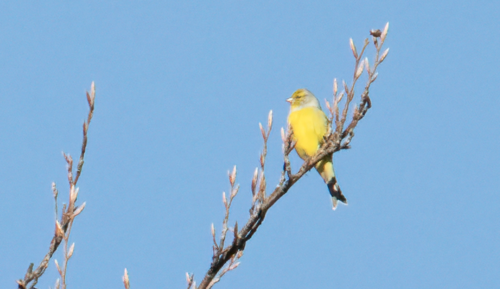 milheirinha-serrana
Em resumo
A marca de campo mais confiável para separar o pintarroxo-de-queixo-preto do milheirinha-serrana é a presença de uma mancha vermelha brilhante na testa e um babador preto no pintarroxo, características totalmente ausentes no milheirinha-serrana. Os filhotes de milheirinha-serrana são marrons e não apresentam amarelo ou verde, enquanto até mesmo os jovens pintarroxos-de-queixo-preto mostram algumas listras e os começos da testa vermelha. Em voo ou empoleirados, os pintarroxos-de-queixo-preto parecem mais listrados e cinzentos, enquanto os milheirinha-serrana são cinzentos mais limpos acima, com uma máscara facial amarela e partes inferiores amarelas. Ambos são pequenos fringilídeos, mas suas colorações e padrões faciais são distintos quando vistos de perto.
Dicas de identificação
- Mancha Vermelha na Testa (Pintarroxo-de-queixo-preto): Procure uma mancha vermelha brilhante na testa, presente em todos, exceto nos filhotes mais jovens. O milheirinha-serrana nunca mostra vermelho na cabeça.
- Babador Preto (Pintarroxo-de-queixo-preto): Uma mancha preta distinta sob o bico está sempre presente no pintarroxo-de-queixo-preto, ausente no milheirinha-serrana.
- Máscara Facial Amarela (Milheirinha-serrana): Os milheirinha-serrana adultos têm uma máscara facial amarela clara, que se estende até a garganta e partes inferiores. Os pintarroxos-de-queixo-preto nunca mostram uma face amarela.
- Cor do Peito: Os machos pintarroxos-de-queixo-preto frequentemente mostram uma sufusão avermelhada no peito, enquanto os milheirinha-serrana têm partes inferiores amarelas em ambos os sexos (embora mais apagadas nas fêmeas jovens). Os filhotes de milheirinha-serrana são marrons embaixo, sem amarelo ou verde.
- Listras na Parte Superior: Os pintarroxos-de-queixo-preto são fortemente listrados acima e abaixo, dando uma aparência bagunçada e listrada. Os milheirinha-serrana são mais cinzentos acima, com apenas um toque marrom e listras menos óbvias.
- Barras Alares: Ambas as espécies têm duas barras alares pálidas, mas no milheirinha-serrana estas são amareladas e combinam com as partes inferiores amarelas, enquanto no pintarroxo-de-queixo-preto são mais pálidas e contrastam com a asa marron.
- Rabo e Vent: Os pintarroxos-de-queixo-preto têm um rabo listrado e uma larga listra escura na região do vent; o milheirinha-serrana não possui essas características.
- Cor do Bico: Os pintarroxos-de-queixo-preto têm um bico amarelado com uma ponta escura; o bico do milheirinha-serrana não é descrito como amarelado e se mistura com a máscara facial.
- Plumagem Juvenil: Os filhotes de milheirinha-serrana são marrons e não apresentam amarelo ou verde, enquanto os filhotes de pintarroxo-de-queixo-preto são listrados e podem mostrar o início da testa vermelha e sempre têm o babador preto.
- Contexto de Habitat: Se você estiver em prados de alta montanha ou florestas coníferas abertas no sudoeste da Europa, espere encontrar o milheirinha-serrana. Em florestas boreais, especialmente com bétulas ou amieiros, ou na Nova Zelândia, espere encontrar o pintarroxo-de-queixo-preto.
- Estilo de Voo: Ambos são pequenos e ágeis, mas os pintarroxos-de-queixo-preto frequentemente parecem mais compactos e listrados em voo, enquanto os milheirinha-serrana mostram uma aparência mais limpa e cinza com partes inferiores amarelas piscando.
- Diferenças Sexuais: Ambas as espécies são semelhantes entre os sexos, mas os machos pintarroxos-de-queixo-preto podem mostrar mais vermelho no peito, enquanto as fêmeas milheirinha-serrana podem ser ligeiramente mais apagadas embaixo.
- Vocalizações: O canto do milheirinha-serrana é um trinado prateado, enquanto o pintarroxo-de-queixo-preto emite barulhos metálicos e trilos secos. Use com cautela, a menos que esteja familiarizado com ambos.
- Armadilhas Sazonais: No inverno, ambas as espécies podem parecer mais apagadas, mas as cores faciais e das partes inferiores permanecem. Os filhotes de milheirinha-serrana têm mais chances de serem confundidos com outros fringilídeos marrons, mas não com pintarroxos se o babador preto ou a testa vermelha forem vistos.
- Distribuição Geográfica: Sempre considere a localização: o milheirinha-serrana é um especialista em montanha no sudoeste da Europa, enquanto o pintarroxo-de-queixo-preto é amplamente distribuído em florestas do norte e introduzido na Nova Zelândia.
Tamanho
Ambas as espécies são muito semelhantes em tamanho: os pintarroxos-de-queixo-preto medem 11,5–14 cm de comprimento e pesam 12–16 g, enquanto os milheirinha-serrana têm cerca de 12 cm e 12,5 g. Na mão ou em um comedouro, o tamanho não é um separador confiável. Ambos são pequenos, delicados fringilídeos com proporções semelhantes.
Plumagem
- Aves juvenis/imaturas: Os filhotes de milheirinha-serrana são marrons em geral e não apresentam amarelo ou verde na plumagem, fazendo-os parecer simples em comparação com os adultos. Os filhotes de pintarroxo-de-queixo-preto, embora também sejam listrados e marrons, frequentemente mostram o início de uma testa vermelha e sempre têm um rabo listrado e duas barras alares pálidas. O babador preto geralmente está presente mesmo em jovens pintarroxos.
- Adultos: Os pintarroxos-de-queixo-preto são cinzentos-marrons com listras escuras pesadas, uma testa vermelha brilhante, babador preto e duas barras alares pálidas. Os machos frequentemente têm uma sufusão avermelhada no peito. O rabo é listrado, e o vent tem uma larga listra marrom escura. Os milheirinha-serrana são cinzentos acima com um dorso listrado e tingido de marrom, mas suas partes inferiores e máscara facial são amarelas, e eles têm duas barras alares amareladas. Os sexos são semelhantes, embora as fêmeas jovens possam ser mais apagadas embaixo.
- Em voo: Os pintarroxos-de-queixo-preto mostram forte listrado e uma aparência pequena e compacta. Os milheirinha-serrana em voo mostram uma parte superior mais limpa e cinza com amarelo nas partes inferiores e na face, sem as marcas faciais vermelhas ou pretas do pintarroxo.
Comportamento
Ambas as espécies forrageiam principalmente em árvores, mas virão ao chão em busca de sementes. Os pintarroxos-de-queixo-preto são frequentemente vistos em bandos, especialmente no inverno, se alimentando acrobaticamente de catkins de bétula e amieiro. Os milheirinha-serrana também são sociais e podem ser vistos em grupos, especialmente fora da temporada de reprodução, mas são mais frequentemente encontrados em prados de montanha e florestas coníferas abertas. Nenhuma das espécies tem um estilo de voo particularmente distinto em comparação com outros pequenos fringilídeos.
Habitat
Os pintarroxos-de-queixo-preto são encontrados em florestas boreais, especialmente entre bétulas, amieiros e outras árvores do norte, e são amplamente distribuídos na Europa e Ásia setentrional, além de populações introduzidas na Nova Zelândia. Os milheirinha-serrana são restritos a regiões montanhosas do sudoeste da Europa, da Espanha aos Alpes, e são mais frequentemente encontrados em florestas coníferas abertas e prados alpinos. Se você estiver nos Alpes ou Pirenéus, o milheirinha-serrana é muito mais provável; em florestas do norte ou na Nova Zelândia, apenas o pintarroxo-de-queixo-preto ocorre.
Voz
O milheirinha-serrana tem uma canção prateada e trinado que lembra o pintassilgo-europeu ou o serin, e um chamado principal descrito como 'tee-ee', semelhante ao lugre. Os pintarroxos-de-queixo-preto têm um chamado mais metálico e barulhento e um trilo simples e seco. As vocalizações são diferentes, mas a confusão é possível com outros fringilídeos; nenhuma das espécies é provavelmente confundida com a outra apenas pela voz, a menos que você esteja familiarizado com ambas.
pintarroxo-de-queixo-preto (cabaret) · milheirinha-serrana · Minhas aves difíceis