

Motmot

ベニヒワ(亜種 イメベニヒワ) 対 シトロンヒワ

Acanthis cabaret 対 Carduelis citrinella

ベニヒワ(亜種 イメベニヒワ)とシトロンヒワのクイズ

ベニヒワ(亜種 イメベニヒワ) (Acanthis cabaret) ベニヒワ(亜種 イメベニヒワ)
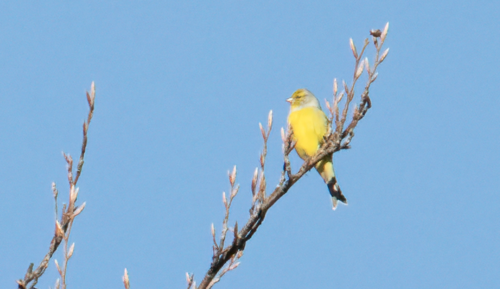
シトロンヒワ (Carduelis citrinella) シトロンヒワ

メディア

読み込み中…

要点

レッサーレッドポールとシトロンヒワを区別する最も信頼できるフィールドマークは、レッサーレッドポールの明るい赤い額のパッチと黒いビブの存在であり、これらはシトロンヒワには全く見られません。幼鳥のシトロンヒワは茶色で、黄色や緑が欠けていますが、若いレッサーレッドポールはストリーキングが見られ、赤い額の始まりが見えます。飛んでいるときや止まっているとき、レッサーレッドポールはよりストリークが多く、茶色がかった灰色に見えますが、シトロンヒワは上面がよりクリーンな灰色で、黄色の顔のマスクと黄色の腹部があります。どちらも小さなヒワですが、色合いや顔のパターンはよく見ると異なります。

識別のコツ

  1. Red Forehead Patch (ベニヒワ(亜種 イメベニヒワ)): 額に明るい赤いパッチを探してください。これは最も若い幼鳥を除いてすべての個体に見られます。シトロンヒワは頭に赤を示しません。
  2. Black Bib (ベニヒワ(亜種 イメベニヒワ)): ビルの下に特徴的な黒いパッチが常に存在するのはレッサーレッドポールであり、シトロンヒワには欠けています。
  3. Yellow Face Mask (シトロンヒワ): 成熟したシトロンヒワは、喉と腹部にまで広がる明確な黄色の顔のマスクを持っています。レッサーレッドポールは黄色の顔を示しません。
  4. Breast Color: オスのレッサーレッドポールはしばしば胸にピンクがかった赤の色合いを示しますが、シトロンヒワは両性ともに黄色の腹部を持っています(ただし、若い雌は鈍い色合いです)。幼鳥のシトロンヒワは下部が茶色で、黄色や緑が欠けています。
  5. Upperpart Streaking: レッサーレッドポールは上面と下面に強いストリーキングがあり、乱雑でストリーキーな外観を与えます。シトロンヒワは上面がより灰色で、茶色の色合いとあまり目立たないストリーキングがあります。
  6. Wing Bars: 両種は2つの淡い翼帯を持っていますが、シトロンヒワではこれらは黄色がかっており、黄色の腹部と一致しますが、レッサーレッドポールではより淡く、茶色がかった翼と対照的です。
  7. Rump and Vent: レッサーレッドポールはストリークのある尾と、肛門に広い暗いストリークを持っています。シトロンヒワにはこれらの特徴がありません。
  8. Bill Color: レッサーレッドポールは暗い先端を持つ黄色がかったビルを持っています。シトロンヒワのビルは黄色がかっているとは記述されておらず、顔のマスクと混ざっています。
  9. Juvenile Plumage: 幼鳥のシトロンヒワは茶色で、黄色や緑が欠けていますが、幼鳥のレッサーレッドポールはストリーキーで、赤い額の始まりを示すことがあり、常に黒いビブを持っています。
  10. Habitat Context: 南西ヨーロッパの高山の草原や開けた針葉樹林にいる場合は、シトロンヒワを期待してください。北方の森林、特に白樺やアオダモのある場所、またはニュージーランドではレッサーレッドポールを期待してください。
  11. Flight Jizz: 両者は小さくて敏捷ですが、レッサーレッドポールは飛行中によりコンパクトでストリーキーに見えることが多く、シトロンヒワは黄色の腹部がちらつくよりクリーンで灰色の外観を示します。
  12. Sex Differences: 両種は性別間で似ていますが、オスのレッサーレッドポールは胸により多くの赤を示すことができ、雌のシトロンヒワは下部がやや鈍い色合いになることがあります。
  13. Vocalizations: シトロンヒワの歌は銀色のツイッターであり、レッサーレッドポールは金属的なチャッターと乾いたトリルを出します。両者は注意して使用してください、両方に慣れていない限り。
  14. Seasonal Pitfalls: 冬には、両種は鈍い色合いに見えることがありますが、重要な顔と腹部の色は持続します。幼鳥のシトロンヒワは他の茶色のヒワと混同される可能性が最も高いですが、黒いビブや赤い額が見られればレッサーレッドポールとは混同されません。
  15. Geographic Range: 常に場所を考慮してください:シトロンヒワは南西ヨーロッパの山の専門家であり、レッサーレッドポールは北方の森林に広く分布し、ニュージーランドに導入されています。

大きさ

両種はサイズが非常に似ています:レッサーレッドポールは長さ11.5〜14 cm、体重は12〜16 gであり、シトロンヒワは約12 cm、12.5 gです。手に持ったり、餌台でのサイズは信頼できる区別にはなりません。どちらも小さくて繊細なヒワで、比例は似ています。

羽色

行動

両種は主に木の中で餌を探しますが、種のために地面に降りることもあります。レッサーレッドポールは特に冬に群れで見られることが多く、白樺やアオダモの花穂でアクロバティックに餌を食べます。シトロンヒワも社交的で、特に繁殖シーズン外ではグループで見られることがありますが、より高山の草原や開けた針葉樹林で見られることが多いです。どちらの種も、他の小さなヒワと比較して特に特徴的な飛行スタイルはありません。

生息環境

レッサーレッドポールは北方の森林、特に白樺、アオダモ、その他の北方の木々の中に見られ、北ヨーロッパとアジアに広く分布し、ニュージーランドにも導入されています。シトロンヒワは南西ヨーロッパの山岳地域に制限されており、スペインからアルプスまで、開けた針葉樹林や高山の草原で最もよく見られます。アルプスやピレネーにいる場合は、シトロンヒワの方がはるかに可能性が高いですが、北方の森林やニュージーランドではレッサーレッドポールのみが見られます。

声

シトロンヒワの歌は、ヨーロッパゴシキヒワやセリに似た銀色のツイッターであり、主な呼び声は「ティーイー」と記述され、ユーラシアマヒワに似ています。レッサーレッドポールはより金属的なチャッターとシンプルで乾いたトリルを持っています。声は異なりますが、他のヒワと混同される可能性があります;どちらも声だけで混同されることは少ないですが、両方に慣れている場合を除きます。

より良い説明を送る

比較と同じ項目を使ってください。文章はすぐに公開されます。

The most reliable field mark to separate Lesser Redpoll from Citril Finch is the presence of a bright red forehead patch and black bib on the redpoll, features entirely absent in Citril Finch. Juvenile Citril Finches are brown and lack any yellow or green, while even young Lesser Redpolls show some streaking and the beginnings of the red forehead. In flight or perched, Lesser Redpolls appear more streaked and brownish-grey, while Citril Finches are cleaner grey above with a yellow face mask and yellow underparts. Both are small finches, but their coloration and face patterns are distinct when seen well.

  1. Red Forehead Patch (Lesser Redpoll): Look for a bright red patch on the forehead, present in all but the youngest juveniles. Citril Finch never shows red on the head.
  2. Black Bib (Lesser Redpoll): A distinctive black patch under the bill is always present on Lesser Redpoll, lacking in Citril Finch.
  3. Yellow Face Mask (Citril Finch): Adult Citril Finches have a clear yellow face mask, extending to the throat and underparts. Lesser Redpolls never show a yellow face.
  4. Breast Color: Male Lesser Redpolls often show a pinkish-red suffusion on the breast, while Citril Finches have yellow underparts in both sexes (though duller in young females). Juvenile Citril Finches are brown below, lacking yellow or green.
  5. Upperpart Streaking: Lesser Redpolls are heavily streaked above and below, giving a messy, streaky look. Citril Finches are greyer above with only a brown tinge and less obvious streaking.
  6. Wing Bars: Both species have two pale wingbars, but in Citril Finch these are yellowish and match the yellow underparts, while in Lesser Redpoll they are paler and contrast with the brownish wing.
  7. Rump and Vent: Lesser Redpolls have a streaked rump and a broad dark streak across the vent; Citril Finch lacks these features.
  8. Bill Color: Lesser Redpolls have a yellowish bill with a dark tip; Citril Finch's bill is not described as yellowish and blends with the face mask.
  9. Juvenile Plumage: Juvenile Citril Finches are brown and lack yellow or green, while juvenile Lesser Redpolls are streaky and may show the start of the red forehead and always have the black bib.
  10. Habitat Context: If you are in high mountain meadows or open coniferous forests in southwestern Europe, expect Citril Finch. In boreal forests, especially with birch or alder, or in New Zealand, expect Lesser Redpoll.
  11. Flight Jizz: Both are small and agile, but Lesser Redpolls often appear more compact and streaky in flight, while Citril Finches show a cleaner, greyer look with yellow underparts flashing.
  12. Sex Differences: Both species are similar between sexes, but male Lesser Redpolls can show more red on the breast, while female Citril Finches may be slightly duller below.
  13. Vocalizations: Citril Finch's song is a silvery twitter, while Lesser Redpoll gives metallic chatters and dry trills. Use with caution unless familiar with both.
  14. Seasonal Pitfalls: In winter, both species can appear duller, but the key facial and underpart colors persist. Juvenile Citril Finches are most likely to be confused with other brown finches, but not with redpolls if the black bib or red forehead is seen.
  15. Geographic Range: Always consider location: Citril Finch is a mountain specialist in southwestern Europe, while Lesser Redpoll is widespread in northern forests and introduced to New Zealand.

Both species are very similar in size: Lesser Redpolls measure 11.5–14 cm in length and weigh 12–16 g, while Citril Finches are about 12 cm and 12.5 g. In the hand or at a feeder, size is not a reliable separator. Both are small, delicate finches with similar proportions.

  • Juvenile/immature birds: Juvenile Citril Finches are brown overall and lack any yellow or green in the plumage, making them look plain compared to adults. Juvenile Lesser Redpolls, while also streaky and brownish, often show the start of a red forehead and always have a streaked rump and two pale wing bars. The black bib is usually present even in young redpolls.
  • Adults: Lesser Redpolls are brownish-grey with heavy dark streaking, a bright red forehead, black bib, and two pale wingbars. Males often have a pinkish-red suffusion on the breast. The rump is streaked, and the vent has a broad dark brown streak. Citril Finches are greyish above with a brown-tinged, streaked back, but their underparts and face mask are yellow, and they have two yellowish wing bars. The sexes are similar, though young females may be duller below.
  • In flight: Lesser Redpolls show strong streaking and a small, compact appearance. Citril Finches in flight show a cleaner, greyer upperpart with yellow on the underparts and face, lacking the redpoll's red or black facial marks.

Both species forage mainly in trees but will come to the ground for seeds. Lesser Redpolls are often seen in flocks, especially in winter, feeding acrobatically on birch and alder catkins. Citril Finches are also social and may be seen in groups, especially outside the breeding season, but are more often found in mountain meadows and open coniferous woodland. Neither species has a particularly distinctive flight style compared to other small finches.

Lesser Redpolls are found in boreal forests, especially among birch, alder, and other northern trees, and are widespread in northern Europe and Asia, as well as introduced populations in New Zealand. Citril Finches are restricted to mountain regions of southwestern Europe, from Spain to the Alps, and are most often found in open coniferous forests and alpine meadows. If you are in the Alps or Pyrenees, Citril Finch is far more likely; in northern forests or New Zealand, only Lesser Redpoll occurs.

Citril Finch has a silvery, twittering song reminiscent of European Goldfinch or Serin, and a main call described as a 'tee-ee', similar to Eurasian Siskin. Lesser Redpolls have a more metallic, chattering call and a simple, dry trill. The vocalizations are different, but confusion is possible with other finches; neither is likely to be confused with the other on voice alone unless you are familiar with both.

変更を破棄しますか?

保存していない編集があります。今離れると失われます。

ベニヒワ(亜種 イメベニヒワ) · シトロンヒワ · 苦手な鳥