

Organetto (ssp. cabaret) vs Venturone alpino
Acanthis cabaret contro Carduelis citrinella
Fai un quiz con Organetto (ssp. cabaret) e Venturone alpino
 Organetto (ssp. cabaret)
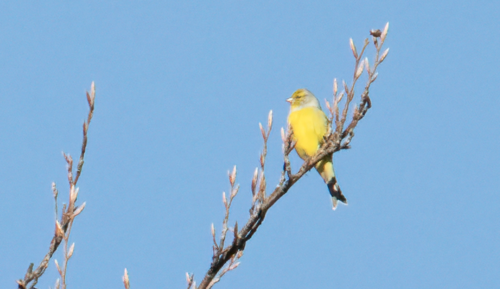 Venturone alpino
In breve
Il segno distintivo più affidabile per separare l'Organetto dal Venturone alpino è la presenza di una brillante macchia rossa sulla fronte e di un petto nero sull'Organetto, caratteristiche completamente assenti nel Venturone alpino. I giovani Venturoni alpini sono marroni e mancano di qualsiasi giallo o verde, mentre anche i giovani Organetti mostrano alcune striature e i primi segni della fronte rossa. In volo o posati, gli Organetti appaiono più striati e grigio-marroni, mentre i Venturoni alpini sono di un grigio più pulito sopra con una maschera facciale gialla e parti inferiori gialle. Entrambi sono piccoli fringillidi, ma la loro colorazione e i modelli facciali sono distinti quando visti bene.
Consigli di identificazione
- Macchia Rossa sulla Fronte (Organetto): Cerca una brillante macchia rossa sulla fronte, presente in tutti tranne i più giovani dei giovani. Il Venturone alpino non mostra mai rosso sulla testa.
- Petto Nero (Organetto): Una distintiva macchia nera sotto il becco è sempre presente sull'Organetto, assente nel Venturone alpino.
- Maschera Facciale Gialla (Venturone alpino): I Venturoni alpini adulti hanno una chiara maschera facciale gialla, che si estende fino alla gola e alle parti inferiori. Gli Organetti non mostrano mai una faccia gialla.
- Colore del Petto: I maschi degli Organetti mostrano spesso una sfumatura rosso-rosata sul petto, mentre i Venturoni alpini hanno parti inferiori gialle in entrambi i sessi (anche se più opache nelle giovani femmine). I giovani Venturoni alpini sono marroni sotto, privi di giallo o verde.
- Striature delle Parti Superiori: Gli Organetti sono pesantemente striati sopra e sotto, dando un aspetto disordinato e striato. I Venturoni alpini sono più grigi sopra con solo una sfumatura marrone e striature meno evidenti.
- Bande Alari: Entrambe le specie hanno due bande alari chiare, ma nel Venturone alpino queste sono giallastre e si abbinano alle parti inferiori gialle, mentre negli Organetti sono più chiare e contrastano con l'ala marrone.
- Coda e Vent: Gli Organetti hanno una coda striata e una larga striscia scura attraverso il vent; il Venturone alpino manca di queste caratteristiche.
- Colore del Becco: Gli Organetti hanno un becco giallastro con una punta scura; il becco del Venturone alpino non è descritto come giallastro e si fonde con la maschera facciale.
- Piumaggio Giovanile: I giovani Venturoni alpini sono marroni e mancano di giallo o verde, mentre i giovani Organetti sono striati e possono mostrare l'inizio della fronte rossa e hanno sempre il petto nero.
- Contesto Ambientale: Se ti trovi in prati di alta montagna o in foreste conifere aperte nel sud-ovest dell'Europa, aspettati il Venturone alpino. Nelle foreste boreali, specialmente con betulle o ontani, o in Nuova Zelanda, aspettati l'Organetto.
- Aspetto in Volo: Entrambi sono piccoli e agili, ma gli Organetti appaiono spesso più compatti e striati in volo, mentre i Venturoni alpini mostrano un aspetto più pulito e grigio con le parti inferiori gialle che lampeggiano.
- Differenze Sessuali: Entrambe le specie sono simili tra i sessi, ma i maschi degli Organetti possono mostrare più rosso sul petto, mentre le femmine dei Venturoni alpini possono essere leggermente più opache sotto.
- Vocalizzazioni: Il canto del Venturone alpino è un cinguettio argentato, mentre l'Organetto emette chiacchiere metalliche e trilli secchi. Usare con cautela a meno che non si sia familiari con entrambi.
- Trappole Stagionali: In inverno, entrambe le specie possono apparire più opache, ma i colori chiave del viso e delle parti inferiori persistono. I giovani Venturoni alpini sono più propensi a essere confusi con altri fringillidi marroni, ma non con gli Organetti se si vede il petto nero o la fronte rossa.
- Distribuzione Geografica: Considera sempre la posizione: il Venturone alpino è uno specialista montano nel sud-ovest dell'Europa, mentre l'Organetto è diffuso nelle foreste settentrionali ed è stato introdotto in Nuova Zelanda.
Taglia
Entrambe le specie sono molto simili in dimensioni: gli Organetti misurano 11,5–14 cm di lunghezza e pesano 12–16 g, mentre i Venturoni alpini sono di circa 12 cm e 12,5 g. In mano o a un mangiatoia, la dimensione non è un separatore affidabile. Entrambi sono piccoli, delicati fringillidi con proporzioni simili.
Piumaggio
- Uccelli Giovanili/immaturi: I giovani Venturoni alpini sono marroni nel complesso e mancano di qualsiasi giallo o verde nel piumaggio, facendoli apparire semplici rispetto agli adulti. I giovani Organetti, pur essendo anch'essi striati e marroni, mostrano spesso l'inizio di una fronte rossa e hanno sempre una coda striata e due bande alari chiare. Il petto nero è solitamente presente anche nei giovani Organetti.
- Adulti: Gli Organetti sono grigio-marroni con pesanti striature scure, una brillante fronte rossa, un petto nero e due bande alari chiare. I maschi mostrano spesso una sfumatura rosso-rosata sul petto. La coda è striata e il vent ha una larga striscia marrone scuro. I Venturoni alpini sono grigi sopra con un dorso striato e una sfumatura marrone, ma le loro parti inferiori e la maschera facciale sono gialle, e hanno due bande alari giallastre. I sessi sono simili, anche se le giovani femmine possono essere più opache sotto.
- In volo: Gli Organetti mostrano forti striature e un aspetto piccolo e compatto. I Venturoni alpini in volo mostrano una parte superiore più pulita e grigia con giallo sulle parti inferiori e sul viso, mancando dei segni facciali rossi o neri dell'Organetto.
Comportamento
Entrambe le specie si nutrono principalmente sugli alberi ma scendono a terra per i semi. Gli Organetti sono spesso visti in stormi, specialmente in inverno, nutrendosi acrobaticamente su catkin di betulla e ontano. I Venturoni alpini sono anche sociali e possono essere visti in gruppi, specialmente al di fuori della stagione riproduttiva, ma si trovano più spesso in prati montani e boschi coniferi aperti. Nessuna delle due specie ha uno stile di volo particolarmente distintivo rispetto ad altri piccoli fringillidi.
Habitat
Gli Organetti si trovano in foreste boreali, specialmente tra betulle, ontani e altri alberi settentrionali, e sono diffusi nel nord Europa e in Asia, oltre a popolazioni introdotte in Nuova Zelanda. I Venturoni alpini sono limitati alle regioni montane del sud-ovest dell'Europa, dalla Spagna alle Alpi, e si trovano più spesso in foreste conifere aperte e prati alpini. Se ti trovi nelle Alpi o nei Pirenei, è molto più probabile trovare il Venturone alpino; nelle foreste settentrionali o in Nuova Zelanda, si trova solo l'Organetto.
Voce
Il Venturone alpino ha un canto argentato e cinguettante che ricorda il Cardellino o il Serin, e un richiamo principale descritto come un 'tee-ee', simile al Lucherino. Gli Organetti hanno un richiamo più metallico e chiacchieroso e un semplice trillo secco. Le vocalizzazioni sono diverse, ma è possibile confonderle con altri fringillidi; nessuna delle due è probabile che venga confusa con l'altra solo per la voce, a meno che tu non sia familiare con entrambe.
Organetto (ssp. cabaret) · Venturone alpino · I miei uccelli difficili