

Grijskeelschoffelsnavel vs Groenkapbreedbektiran
Poecilotriccus sylvia versus Tolmomyias sulphurescens
Speel een quiz met Grijskeelschoffelsnavel en Groenkapbreedbektiran
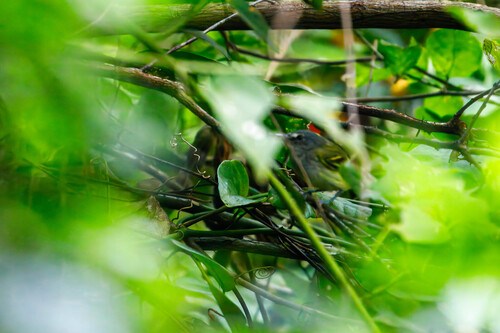 Grijskeelschoffelsnavel
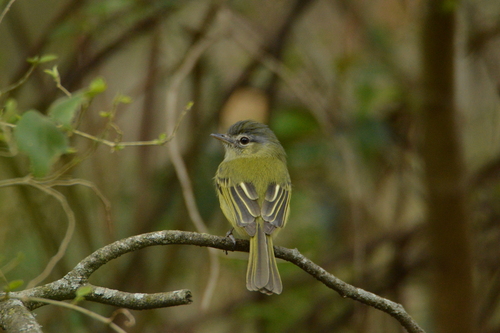 Groenkapbreedbektiran
Kort gezegd
De meest betrouwbare manier om Grijskeelschoffelsnavel van Groenkapbreedbektiran te scheiden is op basis van grootte, structuur en kleur van het hoofd/onderlichaam: de schoffelsnavel is veel kleiner, met een duidelijk grijze (leisteen) kroon en nek, en grijsachtig witte, gestreepte onderdelen, terwijl de breedbektiran groter is, met een donkere olijfgroene kroon en merkbaar gele buik. Juveniele Grijskeelschoffelsnavels tonen olijfgroene kronen en buffy vleugelstrepen, die verward kunnen worden met het vleugelpatroon van de breedbektiran, maar de breedbektiran heeft altijd een bredere, plattere snavel en helderder gele onderdelen. Beide soorten kunnen vleugelstrepen tonen, maar de kleur en context verschillen. De vorm van de snavel, de kleur van het onderlichaam en de algehele grootte zijn cruciaal in het veld, vooral wanneer vogels zitten. Vocalisaties zijn behoorlijk verschillend als ze gehoord worden: de roepen van de schoffelsnavel zijn insect- of kikkerachtig, terwijl die van de breedbektiran hier niet worden beschreven.
Herkenningstips
- Grootte is een belangrijke aanwijzing: De Groenkapbreedbektiran is bijna twee keer zo zwaar en aanzienlijk langer dan de Grijskeelschoffelsnavel. Als de vogel klein en elegant lijkt, denk dan aan schoffelsnavel; als het bulky lijkt voor een tyrannide, denk dan aan breedbektiran.
- Snavelvorm is diagnostisch: De breedbektiran heeft een brede, platte snavel (vooral duidelijk van onder of in profiel), terwijl de schoffelsnavel een korte, smalle, puntige snavel heeft. Dit is betrouwbaar op alle leeftijden.
- Kleur van de kroon: Volwassen schoffelsnavels hebben een duidelijk grijze (leisteen) kroon en nek, in contrast met de olijfgroene rug. Breedbektiran heeft een donkere olijfgroene kroon die in de rug overgaat.
- Supercilium en oogring: De schoffelsnavel toont een prominente witte lijn boven de lores en een gebroken witte oogring; het supercilium en de oogring van de breedbektiran zijn dunner en minder contrasterend.
- Onderlichaam: De schoffelsnavel heeft grijsachtig witte onderdelen met grijsachtige strepen op de keel en borst, en een olijfgroene tint op de flanken. De breedbektiran heeft een heldere gele buik en onderstaartdekken, met grijsachtig olijfgroene borst en flanken. Als de buik duidelijk geel is, is het een breedbektiran.
- Vleugelstrepen: Beide soorten tonen twee vleugelstrepen, maar de vleugelstrepen van de schoffelsnavel zijn groot en geel (volwassenen) of buffy (juvenielen), terwijl die van de breedbektiran geelachtig-olijfgroen en minder contrasterend zijn. Bij juvenielen suggereren buffy vleugelstrepen in een kleine vogel schoffelsnavel, maar controleer de snavelvorm en de kleur van het onderlichaam.
- Verwarring bij juvenielen: Juveniele schoffelsnavels hebben een olijfgroene kroon en rug (niet grijs), buffy vleugelstrepen, en blekere, grijzere onderdelen zonder strepen. Juveniele breedbektiran hebben een gebroken oogring en een gele buik, maar altijd een brede, platte snavel.
- Kleur van de staart: De schoffelsnavel heeft een olijfgroene staart; de staart van de breedbektiran is bruinachtig tot donker met buffy randen.
- Kleur van de iris: Beide kunnen variabele iris kleuren hebben, maar de schoffelsnavel heeft meestal donkerbruin, soms bleekgeel, grijs of wit; de iris van de breedbektiran is bleekbruin tot bleekgrijs bij volwassenen, donker bij juvenielen.
- Kleur van de poten: De schoffelsnavel heeft licht blauwachtig grijze poten en voeten; die van de breedbektiran zijn grijs.
- Gedrag: De schoffelsnavel is actiever, vaak met zijn staart flikkerend en rechtop zittend; de breedbektiran is meer bedachtzaam en zit langer stil.
- Vocalisaties: Als je insect- of kikkerachtige trillingen of gravelachtige roepen hoort, is het de schoffelsnavel. De roepen van de breedbektiran worden hier niet beschreven, maar zijn niet vergelijkbaar.
- Habitatoverlap: Beide kunnen in dezelfde habitats voorkomen; vertrouw niet alleen op locatie.
- Geslachten zijn vergelijkbaar: Geen van beide soorten vertoont seksuele dimorfisme in het verenkleed.
- Variatie in ondersoorten: Sommige ondersoorten van beide hebben subtiele verschillen in kroon- of onderlichaam kleur, maar de belangrijkste veldkenmerken hierboven blijven consistent over het bereik.
Grootte
Grijskeelschoffelsnavel is veel kleiner en lichter (ongeveer 9–10 cm lang, 7.1 g) vergeleken met de Groenkapbreedbektiran (12.5–14 cm, 14.5–15.2 g). Dit verschil is duidelijk in het veld: de breedbektiran is bijna twee keer zo zwaar, met een robuustere uitstraling. De snavel van de breedbektiran is ook proportioneel veel breder en platter, wat bijdraagt aan zijn 'grote kop' uiterlijk, terwijl de schoffelsnavel eleganter en compacter lijkt.
Verenkleed
- Juvenielen: Juveniele Grijskeelschoffelsnavel heeft een olijfgroene kroon en rug (niet grijs), buffy vleugelstrepen, en blekere, grijzere, ongestreepte onderdelen. Dit kan oppervlakkig lijken op de breedbektiran, maar de juveniele breedbektiran toont nog steeds een bredere, plattere snavel, geelachtig-olijfgroene vleugelstrepen, en een gele buik. Juveniele breedbektiran hebben een gebroken oogring en een donkere iris, terwijl juveniele schoffelsnavels een meer continue oogring en een donkerbruine iris hebben.
- Volwassenen: Volwassen Grijskeelschoffelsnavel heeft een grijze kroon en nek, witte supercilium en gedeeltelijke oogring, olijfgroene rug, zwartachtige vleugels met smalle geelachtige randen en twee gele vleugelstrepen, en grijsachtig witte onderdelen met grijsachtige strepen op de keel/borst en olijfgroene flanken. Volwassen Groenkapbreedbektiran heeft een donkere olijfgroene kroon en nek, dunne witte supercilium en oogring, olijfgroene rug, donkere vleugels met geelachtig-olijfgroene randen en twee vleugelstrepen, en een heldere gele buik en onderstaartdekken. De onderdelen van de breedbektiran zijn altijd veel gele en minder gestreept dan de grijsachtige, gestreepte onderdelen van de schoffelsnavel. De schoffelsnavel heeft ook een duidelijker witte supercilium en oogring, terwijl die van de breedbektiran dunner en minder contrasterend zijn.
Gedrag
Beide soorten zijn actief, maar de Grijskeelschoffelsnavel lijkt vaak rustelozer en zit rechtop op blootgestelde takken, waarbij hij vaak zijn staart flikkert. De Groenkapbreedbektiran beweegt meestal bedachtzamer en zit vaak langer stil, soms springend om insecten te vangen. De grotere grootte en bredere snavel van de breedbektiran geven het een zwaardere, minder levendige uitstraling in vergelijking met de snelle, energieke schoffelsnavel.
Habitat
Beide soorten overlappen breed in Midden- en Zuid-Amerika en kunnen worden aangetroffen in vergelijkbare habitats, waaronder bosranden, secundaire groei en bos. Habitat alleen is niet diagnostisch voor het scheiden van deze twee, aangezien beide in dezelfde gebieden van Mexico tot Brazilië en daarbuiten kunnen voorkomen.
Geluid
Grijskeelschoffelsnavel geeft insect- of kikkerachtige roepen: zachte, gravelachtige 'trup' of 'trup grrrr', 'tik trrrrrrr', en een nasale, kikkerachtige 'grrrrrrr', soms een tweedelige 'tip!-purrrrrrrr'. De vocalisaties van de Groenkapbreedbektiran worden hier niet beschreven, maar zijn bekend als behoorlijk verschillend in ritme en toon van de roepen van de schoffelsnavel. Als je een droge, insectachtige trilling hoort, is het waarschijnlijk de schoffelsnavel.
Grijskeelschoffelsnavel · Groenkapbreedbektiran · Mijn lastige vogels