

Motmot

ハイイロハシナガタイランチョウ 対 ヒラハシハエトリ

Poecilotriccus sylvia 対 Tolmomyias sulphurescens

ハイイロハシナガタイランチョウとヒラハシハエトリのクイズ
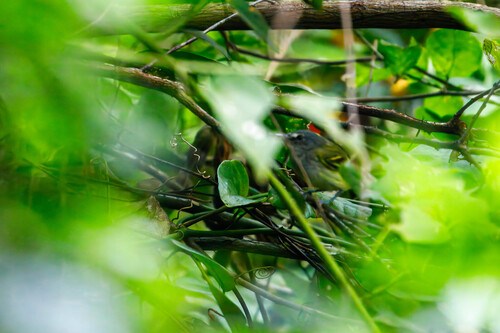
ハイイロハシナガタイランチョウ (Poecilotriccus sylvia) ハイイロハシナガタイランチョウ
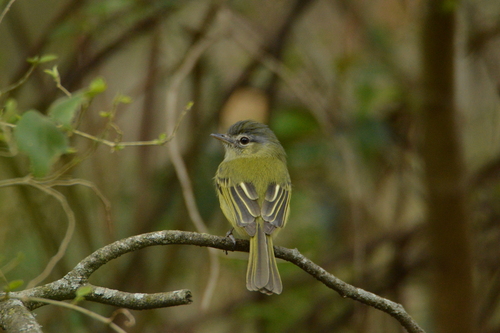
ヒラハシハエトリ (Tolmomyias sulphurescens) ヒラハシハエトリ

メディア

読み込み中…

要点

ハイイロハシナガタイランチョウとヒラハシハエトリを区別する最も信頼できる方法は、サイズ、構造、頭部/腹部の色によるものです:tody-flycatcherははるかに小さく、明確に灰色(スレート)の冠とうなじ、灰白色で縞模様の腹部を持ち、flatbillは大きく、暗いオリーブ色の冠と明らかに黄色い腹を持っています。若いハイイロハシナガタイランチョウはオリーブ色の冠と淡い翼帯を示し、flatbillの翼の模様と混同されることがありますが、flatbillは常により広く平らなくちばしと明るい黄色の腹部を持っています。両種は翼帯を示すことがありますが、色と文脈は異なります。くちばしの形、腹部の色、全体のサイズは、特に鳥が止まっているときにフィールドでの鍵となります。鳴き声は聞こえた場合、かなり異なります:tody-flycatcherの鳴き声は昆虫やカエルのようで、flatbillの鳴き声はここでは説明されていません。

識別のコツ

  1. サイズは重要な手がかりです: ヒラハシハエトリはハイイロハシナガタイランチョウのほぼ2倍の重さとかなり長いです。鳥が小さくて優雅に見える場合はtody-flycatcherを考え、タイランニッドにしてはずんぐりしている場合はflatbillを考えてください。
  2. くちばしの形は診断的です: flatbillは広く平らなくちばしを持ち(特に下からまたは横から見ると明らかです)、tody-flycatcherは短く狭く尖ったくちばしを持っています。これはすべての年齢で信頼できます。
  3. 冠の色: 成熟したtody-flycatcherは明確に灰色(スレート)の冠とうなじを持ち、オリーブ色の背中と対照的です。flatbillは背中に溶け込む暗いオリーブ色の冠を持っています。
  4. 眉班と目の輪: Tody-flycatcherはロアの上に目立つ白い線と壊れた白い目の輪を示します;flatbillの眉班と目の輪は薄く、対照が少ないです。
  5. 腹部: Tody-flycatcherは灰白色の腹部を持ち、喉と胸に灰色の縞模様があり、側面にオリーブ色の色合いがあります。flatbillは明るい黄色の腹と尾羽の覆いを持ち、灰色がかった緑色のオリーブ色の胸と側面を持っています。腹が明らかに黄色い場合はflatbillです。
  6. 翼帯: 両種は2つの翼帯を示しますが、tody-flycatcherのものは大きくて黄色(成鳥)または淡い(幼鳥)で、flatbillのものは黄緑色で対照が少ないです。幼鳥の場合、小さな鳥の淡い翼帯はtody-flycatcherを示唆しますが、くちばしの形と腹部の色を確認してください。
  7. 幼鳥の混乱: 幼いtody-flycatcherはオリーブ色の冠と背中(灰色ではなく)、淡い翼帯、そしてより淡く灰色の縞模様のない腹部を持っています。幼いflatbillは壊れた目の輪と黄色い腹を持っていますが、常に広く平らなくちばしを持っています。
  8. 尾の色: Tody-flycatcherはオリーブ色の尾を持ち、flatbillの尾は茶色がかった暗色で淡い縁があります。
  9. 虹彩の色: 両種は虹彩の色が変動することがありますが、tody-flycatcherは通常暗い茶色で、時には淡い黄色、灰色、または白です;flatbillの虹彩は成鳥では淡い茶色から淡い灰色で、幼鳥では暗いです。
  10. 脚の色: Tody-flycatcherは淡い青灰色の脚と足を持ち、flatbillは灰色です。
  11. 行動: Tody-flycatcherはより活発で、しばしば尾を振り、直立して止まります;flatbillはより慎重で、長く静止していることが多いです。
  12. 鳴き声: 昆虫やカエルのようなトリルや砂利のような鳴き声が聞こえた場合、それはtody-flycatcherです。flatbillの鳴き声はここでは説明されていませんが、似ていません。
  13. 生息地の重複: 両種は同じ生息地に出現することがあり、場所だけに頼らないでください。
  14. 性別は似ています: どちらの種も羽毛において性差を示しません。
  15. 亜種の変異: 両方のいくつかの亜種は冠や腹部の色に微妙な違いがありますが、上記の主なフィールドマークは範囲全体で保持されます。

大きさ

ハイイロハシナガタイランチョウはヒラハシハエトリに比べてはるかに小さく軽い(約9–10 cm、7.1 g)です。この違いはフィールドで明らかです:flatbillはほぼ2倍の質量を持ち、より頑丈な外観をしています。flatbillのくちばしも比例的にずっと広く平らで、「大きな頭」の外観に寄与しており、tody-flycatcherはより優雅でコンパクトに見えます。

羽色

行動

両種は活発ですが、ハイイロハシナガタイランチョウはしばしばより落ち着きがなく、露出した小枝に直立して止まり、頻繁に尾を振ります。ヒラハシハエトリはより慎重に動き、長く静止していることが多く、時には昆虫を捕まえるために飛び出します。flatbillの大きなサイズと広いくちばしは、迅速でエネルギッシュなtody-flycatcherに比べて、より重々しく、活気のない印象を与えます。

生息環境

両種は中南米で広く重複しており、森林の縁、二次成長、林地などの類似の生息地で見られます。生息地だけではこれら二種を区別するための診断にはなりません。両種はメキシコからブラジル、さらにはそれ以外の地域でも同じ地域に出現することがあります。

声

ハイイロハシナガタイランチョウは昆虫やカエルのような鳴き声を出します:柔らかく砂利のような「トゥルプ」または「トゥルプ グルル」、 「ティク トゥルルルル」、そして鼻にかかったカエルのような「グルルルル」、時には二部構成の「ティップ!-プルルルル」。ヒラハシハエトリの鳴き声はここでは説明されていませんが、tody-flycatcherの鳴き声とはリズムや音色がかなり異なることが知られています。乾いた昆虫のようなトリルが聞こえた場合、それはおそらくtody-flycatcherです。

より良い説明を送る

比較と同じ項目を使ってください。文章はすぐに公開されます。

The most reliable way to separate Slate-headed Tody-Flycatcher from Yellow-olive Flatbill is by size, structure, and head/underpart color: the tody-flycatcher is much smaller, with a distinctly gray (slate) crown and nape, and grayish white, streaked underparts, while the flatbill is larger, with a dark olive crown and noticeably yellow belly. Juvenile Slate-headed Tody-Flycatchers show olive crowns and buffy wing bars, which can be confused with the flatbill's wing pattern, but the flatbill always has a broader, flatter bill and brighter yellow underparts. Both species can show wing bars, but the color and context differ. Bill shape, underpart color, and overall size are key in the field, especially when birds are perched. Vocalizations are quite different if heard: the tody-flycatcher's calls are insect- or frog-like, while the flatbill's are not described here.

  1. Size is a major clue: The Yellow-olive Flatbill is nearly twice as heavy and significantly longer than the Slate-headed Tody-Flycatcher. If the bird looks small and dainty, think tody-flycatcher; if it seems bulky for a tyrannid, think flatbill.
  2. Bill shape is diagnostic: The flatbill has a broad, flat bill (especially obvious from below or in profile), while the tody-flycatcher has a short, narrow, pointed bill. This is reliable at all ages.
  3. Crown color: Adult tody-flycatchers have a distinctly gray (slate) crown and nape, contrasting with the olive back. Flatbills have a dark olive crown that blends into the back.
  4. Supercilium and eye-ring: Tody-flycatcher shows a prominent white line above the lores and a broken white eye-ring; the flatbill's supercilium and eye-ring are thinner and less contrasting.
  5. Underparts: Tody-flycatcher has grayish white underparts with grayish streaks on the throat and breast, and an olive tinge on the flanks. Flatbill has a bright yellow belly and undertail coverts, with grayish greenish olive breast and flanks. If the belly is obviously yellow, it's a flatbill.
  6. Wing bars: Both species show two wing bars, but the tody-flycatcher's are large and yellow (adults) or buffy (juveniles), while the flatbill's are yellowish-olive and less contrasting. On juveniles, buffy wing bars in a small bird suggest tody-flycatcher, but check bill shape and underpart color.
  7. Juvenile confusion: Juvenile tody-flycatchers have an olive crown and back (not gray), buffy wing bars, and paler, grayer underparts without streaks. Juvenile flatbills have a broken eye-ring and a yellow belly, but always a broad, flat bill.
  8. Tail color: Tody-flycatcher has an olive tail; flatbill's tail is brownish to dusky with buffy edges.
  9. Iris color: Both can have variable iris colors, but tody-flycatcher usually has dark brown, sometimes pale yellow, gray, or white; flatbill's iris is pale brown to pale gray in adults, dark in juveniles.
  10. Leg color: Tody-flycatcher has light bluish gray legs and feet; flatbill's are gray.
  11. Behavior: Tody-flycatcher is more active, often flicking its tail and perching upright; flatbill is more deliberate and sits still longer.
  12. Vocalizations: If you hear insect- or frog-like trills or gravelly calls, it's the tody-flycatcher. Flatbill's calls are not described here, but are not similar.
  13. Habitat overlap: Both can occur in the same habitats; do not rely on location alone.
  14. Sexes similar: Neither species shows sexual dimorphism in plumage.
  15. Subspecies variation: Some subspecies of both have subtle differences in crown or underpart color, but the main field marks above hold across the range.

Slate-headed Tody-Flycatcher is much smaller and lighter (about 9–10 cm long, 7.1 g) compared to the Yellow-olive Flatbill (12.5–14 cm, 14.5–15.2 g). This difference is obvious in the field: the flatbill is nearly twice the mass, with a more robust appearance. The flatbill's bill is also proportionally much broader and flatter, contributing to its 'big-headed' look, while the tody-flycatcher appears daintier and more compact.

  • Juveniles: Juvenile Slate-headed Tody-Flycatcher has an olive crown and back (not gray), buffy wing bars, and paler, grayer, unstreaked underparts. This can superficially resemble the flatbill, but the flatbill juvenile still shows a broader, flatter bill, yellowish-olive wing bars, and a yellow belly. Juvenile flatbills have a broken eye-ring and a dark iris, while juvenile tody-flycatchers have a more continuous eye-ring and a dark brown iris.
  • Adults: Adult Slate-headed Tody-Flycatcher has a gray crown and nape, white supercilium and partial eye-ring, olive back, blackish wings with narrow yellowish edges and two yellow wing bars, and grayish white underparts with grayish streaks on the throat/breast and olive flanks. Adult Yellow-olive Flatbill has a dark olive crown and nape, thin white supercilium and eye-ring, olive-green back, dusky wings with yellowish-olive edges and two wing bars, and a bright yellow belly and undertail coverts. The flatbill's underparts are always much yellower and less streaked than the tody-flycatcher's grayish, streaked underparts. The tody-flycatcher also has a more distinct white supercilium and eye-ring, while the flatbill's are thinner and less contrasting.

Both species are active, but the Slate-headed Tody-Flycatcher often appears more restless and perches upright on exposed twigs, frequently flicking its tail. The Yellow-olive Flatbill tends to move more deliberately and often sits still for longer, sometimes sallying out to catch insects. The flatbill's larger size and broader bill give it a more ponderous, less sprightly demeanor compared to the quick, energetic tody-flycatcher.

Both species overlap widely in Central and South America and can be found in similar habitats, including forest edges, secondary growth, and woodland. Habitat alone is not diagnostic for separating these two, as both can occur in the same areas from Mexico to Brazil and beyond.

Slate-headed Tody-Flycatcher gives insect- or frog-like calls: soft, gravelly 'trup' or 'trup grrrr', 'tik trrrrrrr', and a nasal, froglike 'grrrrrrr', sometimes a two-part 'tip!-purrrrrrrr'. The Yellow-olive Flatbill's vocalizations are not described here, but are known to be quite different in rhythm and tone from the tody-flycatcher's calls. If you hear a dry, insect-like trill, it's likely the tody-flycatcher.

変更を破棄しますか?

保存していない編集があります。今離れると失われます。

ハイイロハシナガタイランチョウ · ヒラハシハエトリ · 苦手な鳥