

Slate-headed Tody-Flycatcher vs Yellow-olive Flatbill
Poecilotriccus sylvia contro Tolmomyias sulphurescens
Fai un quiz con Slate-headed Tody-Flycatcher e Yellow-olive Flatbill
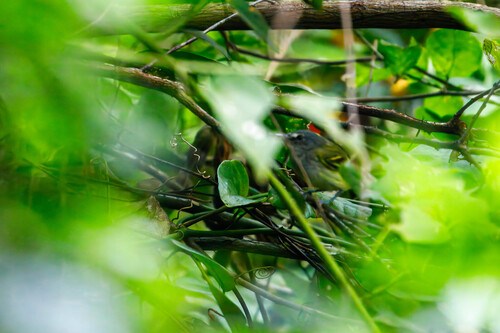 Slate-headed Tody-Flycatcher
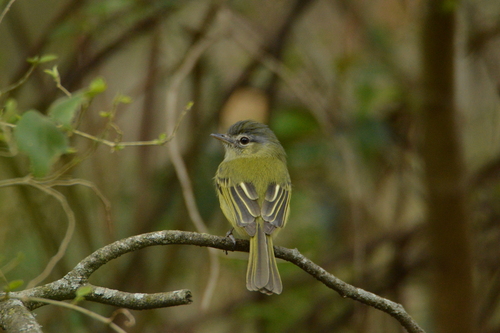 Yellow-olive Flatbill
In breve
Il modo più affidabile per separare il Slate-headed Tody-Flycatcher dal Yellow-olive Flatbill è attraverso dimensioni, struttura e colore della testa/parte inferiore: il tody-flycatcher è molto più piccolo, con una corona e una nuca grigie (ardesia) ben distinte, e parti inferiori grigio-biancastre striate, mentre il flatbill è più grande, con una corona di un verde oliva scuro e un ventre notevolmente giallo. I giovani Slate-headed Tody-Flycatchers mostrano corone olive e barre alari color crema, che possono essere confuse con il motivo alare del flatbill, ma il flatbill ha sempre un becco più largo e piatto e parti inferiori di un giallo più brillante. Entrambe le specie possono mostrare barre alari, ma il colore e il contesto differiscono. La forma del becco, il colore delle parti inferiori e la dimensione complessiva sono fondamentali sul campo, specialmente quando gli uccelli sono in posa. Le vocalizzazioni sono abbastanza diverse se ascoltate: i richiami del tody-flycatcher sono simili a quelli di insetti o rane, mentre quelli del flatbill non sono descritti qui.
Consigli di identificazione
- Size is a major clue: Il Yellow-olive Flatbill è quasi due volte più pesante e significativamente più lungo del Slate-headed Tody-Flycatcher. Se l'uccello sembra piccolo e delicato, pensa al tody-flycatcher; se sembra ingombrante per un tyrannide, pensa al flatbill.
- Bill shape is diagnostic: Il flatbill ha un becco largo e piatto (soprattutto evidente dal basso o di profilo), mentre il tody-flycatcher ha un becco corto, stretto e appuntito. Questo è affidabile a tutte le età.
- Crown color: I tody-flycatchers adulti hanno una corona e una nuca grigie (ardesia) ben distinte, in contrasto con il dorso oliva. I flatbills hanno una corona di un verde oliva scuro che si fonde nel dorso.
- Supercilium and eye-ring: Il Tody-flycatcher mostra una linea bianca prominente sopra le lore e un anello oculare bianco spezzato; il supercilium e l'anello oculare del flatbill sono più sottili e meno contrastanti.
- Underparts: Il Tody-flycatcher ha parti inferiori grigio-biancastre con striature grigie sulla gola e sul petto, e una sfumatura oliva sui fianchi. Il flatbill ha un ventre giallo brillante e copritail, con un petto e fianchi di un verde oliva grigiastro. Se il ventre è ovviamente giallo, è un flatbill.
- Wing bars: Entrambe le specie mostrano due barre alari, ma quelle del tody-flycatcher sono grandi e gialle (adulti) o color crema (giovani), mentre quelle del flatbill sono giallo-olive e meno contrastanti. Nei giovani, barre alari color crema in un piccolo uccello suggeriscono tody-flycatcher, ma controlla la forma del becco e il colore delle parti inferiori.
- Juvenile confusion: I giovani tody-flycatchers hanno una corona e un dorso olive (non grigi), barre alari color crema, e parti inferiori più chiare e grigie senza striature. I giovani flatbills hanno un anello oculare spezzato e un ventre giallo, ma sempre un becco largo e piatto.
- Tail color: Il Tody-flycatcher ha una coda oliva; la coda del flatbill è brunastra a scura con bordi color crema.
- Iris color: Entrambi possono avere colori dell'iride variabili, ma il tody-flycatcher di solito ha un iride marrone scuro, a volte giallo pallido, grigio o bianco; l'iride del flatbill è marrone pallido a grigio pallido negli adulti, scuro nei giovani.
- Leg color: Il Tody-flycatcher ha gambe e piedi grigio-bluastro chiaro; quelli del flatbill sono grigi.
- Behavior: Il Tody-flycatcher è più attivo, spesso muovendo la coda e posandosi eretto; il flatbill è più deliberato e rimane fermo più a lungo.
- Vocalizations: Se senti trilli o richiami simili a insetti o rane, è il tody-flycatcher. I richiami del flatbill non sono descritti qui, ma non sono simili.
- Habitat overlap: Entrambi possono verificarsi negli stessi habitat; non fare affidamento solo sulla posizione.
- Sexes similar: Nessuna delle due specie mostra dimorfismo sessuale nel piumaggio.
- Subspecies variation: Alcune sottospecie di entrambe hanno differenze sottili nel colore della corona o delle parti inferiori, ma i principali segni sul campo sopra si mantengono in tutta l'area.
Taglia
Il Slate-headed Tody-Flycatcher è molto più piccolo e leggero (circa 9–10 cm di lunghezza, 7.1 g) rispetto al Yellow-olive Flatbill (12.5–14 cm, 14.5–15.2 g). Questa differenza è ovvia sul campo: il flatbill è quasi il doppio della massa, con un aspetto più robusto. Il becco del flatbill è anche proporzionalmente molto più largo e piatto, contribuendo al suo aspetto 'testa grande', mentre il tody-flycatcher appare più delicato e compatto.
Piumaggio
- Juveniles: Il giovane Slate-headed Tody-Flycatcher ha una corona e un dorso olive (non grigi), barre alari color crema, e parti inferiori più chiare, grigie e senza striature. Questo può superficialmente assomigliare al flatbill, ma il giovane flatbill mostra comunque un becco più largo e piatto, barre alari giallo-olive, e un ventre giallo. I giovani flatbills hanno un anello oculare spezzato e un iride scuro, mentre i giovani tody-flycatchers hanno un anello oculare più continuo e un iride marrone scuro.
- Adults: L'adulto Slate-headed Tody-Flycatcher ha una corona e una nuca grigie, supercilium bianco e anello oculare parziale, dorso oliva, ali nerastre con bordi giallo chiaro e due barre alari gialle, e parti inferiori grigio-biancastre con striature grigie sulla gola/petto e fianchi olive. L'adulto Yellow-olive Flatbill ha una corona e una nuca di un verde oliva scuro, un supercilium e un anello oculare bianchi sottili, dorso verde oliva, ali scure con bordi giallo-olive e due barre alari, e un ventre giallo brillante e copritail. Le parti inferiori del flatbill sono sempre molto più gialle e meno striate rispetto alle parti inferiori grigio-striate del tody-flycatcher. Il tody-flycatcher ha anche un supercilium e un anello oculare bianchi più distinti, mentre quelli del flatbill sono più sottili e meno contrastanti.
Comportamento
Entrambe le specie sono attive, ma il Slate-headed Tody-Flycatcher appare spesso più irrequieto e si posa eretto su rami esposti, muovendo frequentemente la coda. Il Yellow-olive Flatbill tende a muoversi in modo più deliberato e spesso rimane fermo più a lungo, a volte lanciandosi per catturare insetti. La maggiore dimensione e il becco più largo del flatbill conferiscono un comportamento più ponderato e meno vivace rispetto al rapido ed energico tody-flycatcher.
Habitat
Entrambe le specie si sovrappongono ampiamente in Centro e Sud America e possono essere trovate in habitat simili, inclusi i margini forestali, la crescita secondaria e i boschi. L'habitat da solo non è diagnostico per separare questi due, poiché entrambi possono verificarsi nelle stesse aree dal Messico al Brasile e oltre.
Voce
Il Slate-headed Tody-Flycatcher emette richiami simili a quelli di insetti o rane: 'trup' o 'trup grrrr' morbidi e ghiaiosi, 'tik trrrrrrr', e un 'grrrrrrr' nasale, simile a una rana, a volte un 'tip!-purrrrrrrr' in due parti. Le vocalizzazioni del Yellow-olive Flatbill non sono descritte qui, ma si sa che sono abbastanza diverse nel ritmo e nel tono rispetto ai richiami del tody-flycatcher. Se senti un trillo secco, simile a un insetto, è probabile che sia il tody-flycatcher.
Slate-headed Tody-Flycatcher · Yellow-olive Flatbill · I miei uccelli difficili