

Western Tanager vs Flame-colored Tanager
Piranga ludoviciana contro Piranga bidentata
Fai un quiz con Western Tanager e Flame-colored Tanager
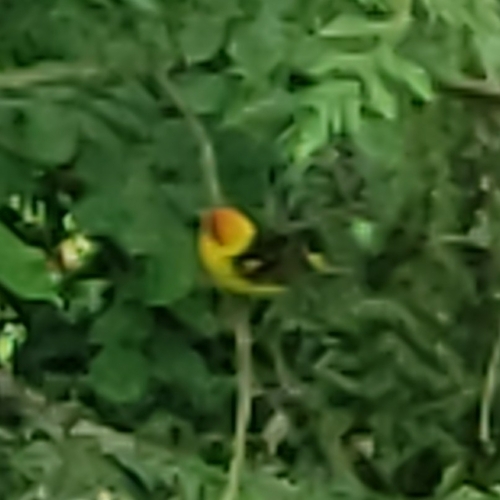 Western Tanager
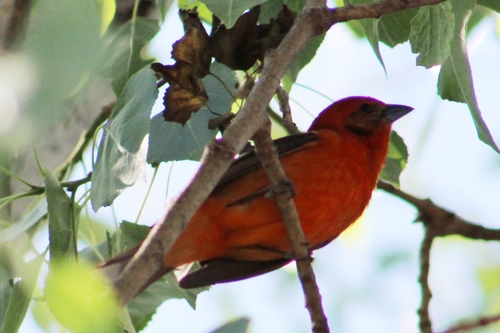 Flame-colored Tanager
In breve
Il segno di campo più affidabile tra il Western Tanager e il Flame-colored Tanager è la colorazione generale e il motivo della testa e della schiena: i maschi del Western Tanager mostrano un corpo giallo con una testa rossa brillante (in abito nuziale), mentre i maschi del Flame-colored Tanager sono più uniformemente rosso-arancio fino all'arancio, con una schiena arancio scuro e una macchia marrone sotto l'occhio. Le femmine sono più difficili da distinguere, ma le femmine del Western Tanager sono generalmente di un giallo più chiaro con meno striature sopra, mentre le femmine del Flame-colored Tanager mostrano una testa e parti inferiori gialle con una schiena distintamente oliva e striata di nero. Gli uccelli immaturi e le femmine sono i più probabili da confondere, specialmente in volo, ma un'attenta attenzione al colore della schiena e alle striature, così come al motivo della testa, di solito li separerà. Entrambi sono tanager di dimensioni medie del genere Piranga, ma differenze sottili nella struttura e nell'habitat possono anche aiutare.
Consigli di identificazione
- Colore della testa del maschio (nuziale): I maschi del Western Tanager hanno una testa rossa nettamente definita con corpo giallo—unico tra i Piranga nordamericani. I maschi del Flame-colored Tanager sono più uniformemente rosso-arancio fino all'arancio, con il colore che si estende attraverso le parti inferiori e la schiena, mancando della testa rossa nettamente demarcata.
- Motivo della schiena (femmine/immaturi): Le femmine e gli immaturi del Flame-colored Tanager hanno una schiena distintamente oliva con striature nere, mentre le femmine/gli immaturi del Western Tanager hanno una schiena oliva-gialla semplice con poche o nessuna striatura. Questo è il miglior segno per gli uccelli non in riproduzione o giovani.
- Motivo facciale: Il Flame-colored Tanager (soprattutto i maschi) mostra una macchia marrone sotto e dietro l'occhio, che è assente nel Western Tanager.
- Bande alari: Il Western Tanager (entrambi i sessi) mostra due bande alari chiare su ali nerastre, che possono essere audaci nei maschi e meno distinte nelle femmine. Il Flame-colored Tanager può mostrare bande alari meno contrastanti, ma questo non è un separatore primario.
- Colore delle parti inferiori: I maschi del Western Tanager sono gialli brillanti sotto, mentre i maschi del Flame-colored sono arancio fino a rosso-arancio sotto. Le femmine di entrambi sono giallastre, ma il Flame-colored è più arancio/giallo, il Western Tanager più giallo limone.
- Colore della schiena (maschi): I maschi del Western Tanager hanno una schiena giallastra o oliva, in contrasto con la testa rossa. I maschi del Flame-colored Tanager hanno una schiena arancio scuro, meno in contrasto con la testa.
- Dimensioni e struttura: Entrambi sono simili in dimensioni e forma; non fare affidamento su questo sul campo.
- Habitat e gamma: Negli Stati Uniti, il Western Tanager è diffuso nel West; il Flame-colored Tanager è un raro vagabondo, principalmente in Arizona e Texas, controlla sempre le striature della schiena e il colore della testa se fuori dalla gamma prevista.
- Vocalizzazioni: Se senti un canto ricco e musicale simile a quello di un vireo, considera il Flame-colored Tanager, specialmente nel Sud-Ovest. Il canto del Western Tanager è meno simile a quello di un vireo.
- Stagione: I Western Tanagers sono presenti negli Stati Uniti principalmente durante la primavera e l'estate. I Flame-colored Tanagers sono rari a nord del Messico, quindi la stagione e la posizione possono aiutare.
- Altezza di foraggiamento: I Western Tanagers sono spesso in alto nella chioma di grandi alberi; i Flame-colored Tanagers possono essere più in basso, specialmente ai margini delle foreste, ma questo non è un forte separatore.
- Differenze sessuali: Le femmine del Western Tanager sono più semplici e meno striate sopra rispetto alle femmine del Flame-colored Tanager. Controlla sempre la schiena per le striature negli uccelli opachi.
- Confusione immatura: Gli immaturi del Western Tanager mancano di forti striature sulla schiena; se vedi una schiena striata su un uccello giallastro, inclina verso il Flame-colored.
- Colore e forma del becco: Non descritto come diagnostico in queste fonti—non usare.
- Viste in volo: Non sono descritti segni unici di volo o della parte superiore dell'ala; fai affidamento sul motivo della schiena e della testa anche in viste brevi.
Taglia
Entrambe le specie sono uccelli canori di dimensioni medie nel genere Piranga e sono molto simili in lunghezza (Flame-colored Tanager: 18–19 cm). Il Flame-colored Tanager ha una massa corporea riportata di circa 34,7 g [wikidata], che è tipica per i tanager Piranga e probabilmente si sovrappone con il Western Tanager. Sul campo, le dimensioni non sono un separatore affidabile tra questi due.
Piumaggio
- Maschi adulti: I maschi del Western Tanager in abito nuziale hanno una testa rossa brillante, parti inferiori gialle e una schiena giallastra con ali nere e due bande alari audaci. I maschi del Flame-colored Tanager sono più uniformemente rosso-arancio fino all'arancio sulla testa e sulle parti inferiori, con una schiena arancio scuro (a volte con sfumature oliva), e mancano della testa rossa nettamente definita del Western Tanager. La schiena del Flame-colored Tanager è meno contrastante e può mostrare una macchia marrone sotto l'occhio.
- Femmine adulte: Le femmine del Western Tanager sono generalmente di un giallo opaco sotto e oliva-giallo sopra, con poche o nessuna striatura sulla schiena. Le femmine del Flame-colored Tanager hanno una testa e parti inferiori gialle ma una schiena distintamente oliva con striature nere, rendendo la schiena più decorata rispetto alle femmine del Western Tanager.
- Immaturi e uccelli non in riproduzione: Entrambi possono apparire più opachi, ma la schiena striata del Flame-colored Tanager (femmina/immatura) è un segno chiave. Gli immaturi del Western Tanager mancano di forti striature sulla schiena e sono più semplici.
- Motivo alare: Non sono descritti segni distintivi della parte superiore dell'ala per nessuna delle due specie in queste fonti, quindi concentrati sul motivo della schiena e della testa per gli uccelli immaturi.
Comportamento
Entrambe le specie sono arboree e foraggiano nella chioma, spesso in grandi alberi. I Western Tanagers sono noti per preferire grandi alberi e una copertura moderata della chioma, foraggiando in alto nella chioma. I Flame-colored Tanagers foraggiano anche negli alberi ma si trovano più spesso in foreste montane e ai margini nella loro gamma centroamericana. Il comportamento è ampiamente simile e non è un forte separatore sul campo.
Habitat
Il Western Tanager è fortemente associato a foreste mature di conifere e miste nel nord-ovest dell'America, specialmente in aree con grandi alberi e copertura moderata della chioma. Evitano foreste dense e chiuse e sono più comuni in boschi aperti o diradati. Il Flame-colored Tanager si trova dal Messico a Panama, favorendo foreste montane, margini forestali e talvolta giardini a quote più elevate. Negli Stati Uniti, è un raro vagabondo, solitamente in habitat forestali o ai margini simili. Se visto negli Stati Uniti al di fuori del Sud-Ovest o a quote più elevate, il Western Tanager è molto più probabile.
Voce
Il Flame-colored Tanager ha un canto descritto come simile a quello di un vireo: una ricca serie musicale di frasi ("chewee-very-vire, chewee-very-vire-very, cheery-cheweea...") e un richiamo di "per-dick" o "chi-dick". Il canto e i richiami del Western Tanager non sono descritti qui, ma entrambi hanno vocalizzazioni tipiche dei Piranga. Il canto non è un forte separatore sul campo a meno che tu non sia familiare con la qualità simile a quella di un vireo del Flame-colored Tanager.
Western Tanager · Flame-colored Tanager · I miei uccelli difficili