

ruby-throated hummingbird vs bumblebee hummingbird
Archilochus colubris versus Selasphorus heloisa
Jogue um quiz com ruby-throated hummingbird e bumblebee hummingbird
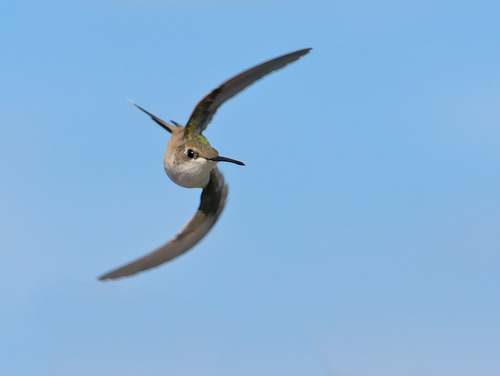 ruby-throated hummingbird
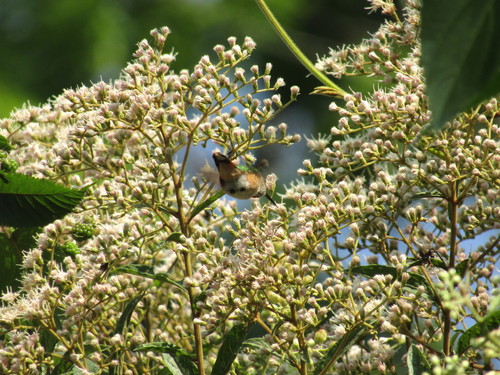 bumblebee hummingbird
Em resumo
A separação mais confiável em campo é a garganta do macho adulto: ruby-throated hummingbird apresenta um gorget (mancha na garganta) rubi-vermelho, altamente iridescente e bem definido, que parece negro de alguns ângulos, enquanto os machos de bumblebee hummingbird têm um gorget magenta a roxo-azulado com penas traseiras alargadas. Fêmeas e imaturos são mais complicados, mas o bumblebee hummingbird sempre apresenta uma pequena mancha branca atrás do olho e mais canela ou buff nas flancos, enquanto o ruby-throated não tem a mancha ocular e possui partes inferiores mais simples. O tamanho também é uma pista forte: o bumblebee hummingbird é visivelmente menor e mais compacto, com um bico e cauda mais curtos. Em voo, a forma e o padrão de cor da cauda são importantes—fêmeas e juvenis de ruby-throated têm caudas recortadas com pontas brancas, enquanto o bumblebee hummingbird apresenta um padrão de cauda mais complexo com canela, preto e verde bronzoso, além de uma ponta branca larga. A distribuição é um fator importante: o ruby-throated é comum no leste da América do Norte, enquanto o bumblebee hummingbird é endêmico do México e apenas um raro vagante ao norte de lá.
Dicas de identificação
- Cor da garganta do macho adulto: Ruby-throated mostra um gorget rubi-vermelho, iridescente e bem definido que parece negro de alguns ângulos; bumblebee hummingbird tem um gorget metálico magenta a roxo-azulado (ou violeta ametista) com penas traseiras alargadas. Apenas os machos apresentam essas características.
- Mancha branca atrás do olho: Presente em todos os bumblebee hummingbirds (ambos os sexos, todas as idades), ausente em ruby-throated. Esta é uma marca chave para fêmeas e imaturos.
- Cor do flanco: Bumblebee hummingbird apresenta canela ou buff avermelhado extenso nos flancos (buff claro em S. h. margarethae), enquanto ruby-throated tem partes inferiores mais simples, esbranquiçadas ou acinzentadas, com pouca ou nenhuma cor nos flancos.
- Padrão da cauda (fêmea/imaturo): Fêmeas e juvenis de ruby-throated têm cauda recortada com penas externas listradas em verde, preto e branco. Bumblebee hummingbird tem uma cauda mais complexa: penas centrais verde bronzoso com canela na base, penas externas com canela, preto, verde bronzoso e uma ponta branca (ou off-white) larga. A fêmea de bumblebee tem mais preto e menos canela na cauda do que o macho.
- Forma da cauda: Caudas de fêmeas/imaturos de ruby-throated são recortadas; caudas de bumblebee hummingbird são mais quadradas ou ligeiramente arredondadas, com a ponta branca alargada mais proeminente em S. h. margarethae.
- Estrutura do bico: Bumblebee hummingbird tem um bico curto, reto e acinzentado; o bico de ruby-throated é ligeiramente mais longo e mais esbelto, especialmente nas fêmeas.
- Tamanho e estrutura: Bumblebee hummingbird é visivelmente menor e mais compacto, com um bico e cauda mais curtos. Ruby-throated é maior e parece mais esbelto, especialmente quando empoleirado.
- Forma do gorget (macho): As penas do gorget do bumblebee hummingbird se alargam para fora e para trás, criando uma aparência espinhosa ou alargada; o gorget de ruby-throated é plano e com bordas bem definidas.
- Marcas na garganta (fêmea/juvenil): Fêmeas/juvenis de ruby-throated têm uma garganta branca, às vezes com listras ou manchas escuras; fêmeas de bumblebee hummingbird têm manchas metálicas bronze na garganta.
- Cor das partes inferiores: Bumblebee hummingbird (especialmente S. h. margarethae) pode apresentar partes inferiores brancas puras, enquanto ruby-throated é mais acinzentado ou sujo na parte inferior.
- Vocalizações: Se ouvido, a canção alta e fina do bumblebee hummingbird e o zumbido alto das asas (especialmente durante a exibição) são distintos; ruby-throated é mais silencioso e menos provável de ser identificado pelo som.
- Comportamento de exibição: Machos de bumblebee hummingbird pairam na frente das fêmeas com o gorget aberto e a cauda levantada, às vezes se movendo verticalmente; machos de ruby-throated realizam exibições de mergulho e arcos horizontais rápidos.
- Distribuição e contexto: Ruby-throated é o beija-flor padrão no leste da América do Norte; bumblebee hummingbird é endêmico do México e apenas um raro vagante ao norte de lá. Se visto nos EUA fora do México, bumblebee é extremamente improvável, exceto no sul do Arizona ou Texas.
- Habitat: Ruby-throated prefere jardins, parques e florestas em sua área; bumblebee hummingbird é mais frequentemente encontrado em uma variedade de plantas floridas, especialmente em níveis baixos a médios em habitats mexicanos.
- Armadilhas: Machos imaturos de ruby-throated podem mostrar marcas pesadas na garganta, mas nunca o gorget metálico roxo ou alargado do bumblebee. As manchas na garganta da fêmea de bumblebee são metálicas, não escuras como em ruby-throated. Sempre verifique a mancha ocular branca e a cor do flanco.
Tamanho
Bumblebee hummingbird é um dos menores beija-flores, medindo 5,9–7,5 cm de comprimento e pesando 2–2,7 g. Ruby-throated hummingbird é maior (não especificado aqui, mas tipicamente em torno de 7–9 cm e 2,5–4,5 g [avonet]), com machos menores que fêmeas. Em comparação direta, bumblebee hummingbird parece visivelmente menor e mais compacto, com um bico e cauda proporcionalmente mais curtos. Essa diferença de tamanho é frequentemente aparente mesmo à distância, especialmente quando ambas as espécies são vistas no mesmo alimentador ou patch de flores.
Plumagem
Juvenis e fêmeas de ruby-throated hummingbirds não possuem a garganta vermelha do macho adulto e, em vez disso, apresentam uma garganta branca ou levemente estriada, uma cauda recortada com penas externas listradas em verde, preto e branco, e uma aparência geralmente simples. Machos juvenis podem mostrar marcas mais pesadas na garganta, mas não têm o gorget vermelho completo. Bumblebee hummingbird de ambos os sexos e todas as idades apresenta uma pequena mancha branca atrás do olho, uma característica ausente em ruby-throated. Machos têm um gorget metálico magenta a roxo-azulado (violeta ametista escuro em S. h. margarethae), com penas traseiras alargadas, e flancos canela ou buff. Fêmeas têm manchas metálicas na garganta e mais canela ou buff nos flancos e coberturas da cauda, com uma cauda que tem mais preto e menos canela do que a do macho, e pontas que são off-white ou brancas puras, dependendo da subespécie. O padrão da cauda em bumblebee é mais complexo, com verde bronzoso, preto e canela avermelhada, e uma ponta branca larga, enquanto as caudas de fêmeas/imaturos de ruby-throated são recortadas e simplesmente listradas. O padrão da asa superior não é descrito como diagnóstico para nenhuma das espécies.
Comportamento
Ambas as espécies pairam para se alimentar e realizam exibições de corte, mas machos de bumblebee hummingbird são notados por pairarem na frente das fêmeas com o gorget aberto e a cauda levantada, além de fazerem movimentos verticais rítmicos. Machos de ruby-throated realizam exibições dramáticas de mergulho e arcos horizontais rápidos na frente de fêmeas empoleiradas. Bumblebee hummingbird é frequentemente dominado por beija-flores maiores, mas pode se infiltrar em seus territórios devido ao seu pequeno tamanho. Ruby-throated é mais provável de ser visto como o beija-flor dominante no leste da América do Norte. Ambas as espécies podem se mover ao longo de um galho, mas nenhuma delas anda ou salta.
Habitat
Ruby-throated hummingbird é amplamente distribuído e comum no leste da América do Norte durante a temporada de reprodução, preferindo florestas decíduas ou mistas, jardins e parques, e inverna na América Central, México e Flórida. Bumblebee hummingbird é endêmico do México, preferindo uma variedade de plantas floridas em alturas de vegetação baixas a médias, e é apenas um raro vagante nos Estados Unidos. A sobreposição de habitat é extremamente rara, exceto em situações de vagância.
Voz
A canção do bumblebee hummingbird é um 'sss ssssssssis' ou 'seeuuuuu' alto e fino, que desaparece no final, e seus chamados são chips altos semelhantes a outras espécies de Selasphorus. As asas do macho produzem um zumbido alto, semelhante a um inseto, especialmente durante a exibição. As vocalizações do ruby-throated hummingbird não são descritas aqui, mas geralmente são menos distintas e mais silenciosas; os sons das asas não são destacados como uma marca de campo.
ruby-throated hummingbird · bumblebee hummingbird · Minhas aves difíceis