

Ruby-throated Hummingbird vs Bumblebee Hummingbird
Archilochus colubris contro Selasphorus heloisa
Fai un quiz con Ruby-throated Hummingbird e Bumblebee Hummingbird
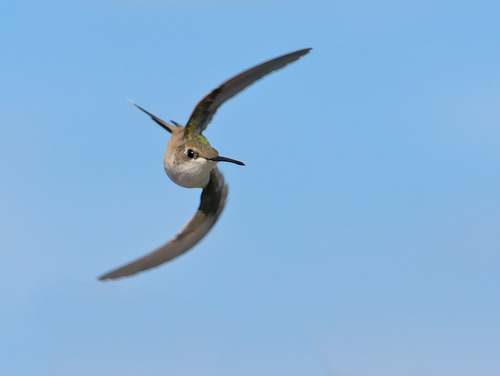 Ruby-throated Hummingbird
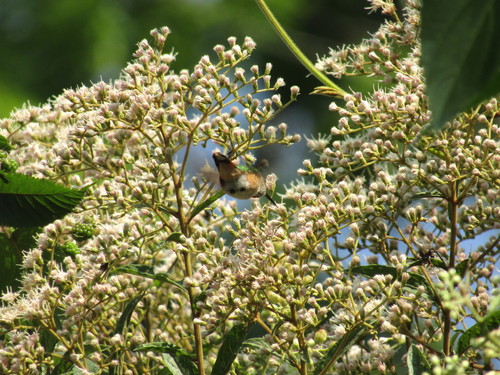 Bumblebee Hummingbird
In breve
La separazione più affidabile sul campo è la gola del maschio adulto: il Ruby-throated Hummingbird mostra un gorget (macchia della gola) di un rosso rubino altamente iridescente e ben definito che appare nerastro da alcuni angoli, mentre i maschi del Bumblebee Hummingbird hanno un gorget di magenta a blu-viola con piume posteriori svasate. Le femmine e gli immaturi sono più difficili da distinguere, ma il Bumblebee Hummingbird mostra sempre una piccola macchia bianca dietro l'occhio e un colore cannella o buff più esteso sui fianchi, mentre il Ruby-throated manca della macchia oculare e ha parti inferiori più semplici. Anche la dimensione è un forte indizio: il Bumblebee Hummingbird è notevolmente più piccolo e più compatto, con un becco e una coda più corti. In volo, la forma della coda e il modello di colore sono importanti: le femmine e i giovani Ruby-throated hanno code intagliate con punte bianche, mentre il Bumblebee Hummingbird mostra un modello di coda più complesso con cannella, nero e verde bronzo, oltre a una larga punta bianca. L'areale è un fattore importante: il Ruby-throated è comune nell'est dell'America del Nord, mentre il Bumblebee Hummingbird è endemico del Messico ed è solo un raro vagabondo a nord di lì.
Consigli di identificazione
- Colore della gola del maschio adulto: il Ruby-throated mostra un gorget di un rosso rubino ben definito e iridescente che appare nerastro da alcuni angoli; il Bumblebee Hummingbird ha un gorget di magenta metallico a blu-viola (o viola ametista) con piume posteriori svasate. Solo i maschi mostrano queste caratteristiche.
- Macchia bianca dietro l'occhio: presente in tutti i Bumblebee Hummingbirds (entrambi i sessi, tutte le età), assente nel Ruby-throated. Questo è un segno chiave per femmine e immaturi.
- Colore dei fianchi: il Bumblebee Hummingbird mostra un esteso colore cannella rossastro o buff sui fianchi (buff chiaro in S. h. margarethae), mentre il Ruby-throated ha parti inferiori più semplici, bianche o grigiastre con poco o nessun colore sui fianchi.
- Modello della coda (femmina/immaturo): le femmine e i giovani Ruby-throated hanno una coda intagliata con piume esterne a bande verdi, nere e bianche. Il Bumblebee Hummingbird ha una coda più complessa: piume centrali verde bronzo con cannella alla base, piume esterne con cannella, nero, bronzo verde e una larga punta bianca (o bianco sporco). La femmina del Bumblebee ha più nero e meno cannella nella coda rispetto al maschio.
- Forma della coda: le code delle femmine/immaturi Ruby-throated sono intagliate; le code del Bumblebee Hummingbird sono più squadrate o leggermente arrotondate, con la punta bianca svasata più prominente in S. h. margarethae.
- Struttura del becco: il Bumblebee Hummingbird ha un becco corto, dritto e nerastro; il becco del Ruby-throated è leggermente più lungo e più snello, specialmente nelle femmine.
- Dimensione e struttura: il Bumblebee Hummingbird è notevolmente più piccolo e più compatto, con un becco e una coda più corti. Il Ruby-throated è più grande e appare più snello, specialmente quando è posato.
- Forma del gorget (maschio): le piume del gorget del Bumblebee Hummingbird si allargano e si piegano all'indietro, creando un aspetto appuntito o svasato; il gorget del Ruby-throated è piatto e con bordi ben definiti.
- Segni sulla gola (femmina/giovane): le femmine/giovani Ruby-throated hanno una gola bianca, a volte con striature o macchie scure; le femmine del Bumblebee Hummingbird hanno macchie di bronzo metallico sulla gola.
- Colore delle parti inferiori: il Bumblebee Hummingbird (soprattutto S. h. margarethae) può mostrare parti inferiori di un bianco puro, mentre il Ruby-throated è più grigiastro o sporco sotto.
- Vocalizzazioni: se udite, la canzone alta e sottile del Bumblebee Hummingbird e il forte ronzio delle ali (soprattutto durante il corteggiamento) sono distintivi; il Ruby-throated è più silenzioso e meno probabile da identificare per il suono.
- Comportamento di corteggiamento: i maschi del Bumblebee Hummingbird si librano davanti alle femmine con gorget aperto e coda sollevata, a volte muovendosi verticalmente; i maschi del Ruby-throated eseguono esibizioni di immersione e archi orizzontali rapidi.
- Areale e contesto: il Ruby-throated è l'hummingbird predefinito nell'est dell'America del Nord; il Bumblebee Hummingbird è endemico del Messico ed è solo un raro vagabondo a nord di lì. Se visto negli Stati Uniti al di fuori del Messico, il Bumblebee è estremamente improbabile tranne che nel sud dell'Arizona o del Texas.
- Habitat: il Ruby-throated predilige giardini, parchi e boschi nel suo areale; il Bumblebee Hummingbird è più spesso trovato in una varietà di piante fiorite, specialmente a basse o medie altezze nelle habitat messicane.
- Trappole: i maschi immaturi del Ruby-throated possono mostrare segni pesanti sulla gola, ma mai il gorget metallico viola o svasato del Bumblebee. Le macchie sulla gola della femmina del Bumblebee sono metalliche, non scure come nel Ruby-throated. Controlla sempre la macchia bianca dell'occhio e il colore dei fianchi.
Taglia
Il Bumblebee Hummingbird è uno dei più piccoli hummingbirds, misurando 5.9–7.5 cm di lunghezza e pesando 2–2.7 g. Il Ruby-throated Hummingbird è più grande (non specificato qui, ma tipicamente intorno ai 7–9 cm e 2.5–4.5 g [avonet]), con maschi più piccoli delle femmine. In confronto diretto, il Bumblebee Hummingbird appare notevolmente più piccolo e più compatto, con un becco e una coda proporzionalmente più corti. Questa differenza di dimensione è spesso evidente anche a distanza, specialmente quando entrambe le specie sono viste allo stesso mangiatoia o aiuola fiorita.
Piumaggio
I giovani e le femmine del Ruby-throated Hummingbird mancano della gola rossa del maschio adulto e mostrano invece una gola bianca o leggermente striata, una coda intagliata con piume esterne a bande verdi, nere e bianche, e un aspetto generalmente semplice. I maschi giovani possono mostrare segni più pesanti sulla gola ma non hanno il gorget rosso completo. Il Bumblebee Hummingbird di entrambi i sessi e tutte le età mostra una piccola macchia bianca dietro l'occhio, una caratteristica assente nel Ruby-throated. I maschi hanno un gorget di magenta metallico a blu-viola (viola ametista scuro in S. h. margarethae), con piume posteriori svasate, e fianchi di cannella o buff. Le femmine hanno macchie metalliche sulla gola e più cannella o buff sui fianchi e sulle copritrici della coda, con una coda che ha più nero e meno cannella rispetto a quella del maschio, e punte che sono bianco sporco o bianche a seconda della sottospecie. Il modello della coda nel Bumblebee è più complesso, con verde bronzo, nero e cannella rossastra, e una larga punta bianca, mentre le code delle femmine/immaturi Ruby-throated sono intagliate e semplicemente a bande. Il modello della parte superiore dell'ala non è descritto come diagnostico per nessuna delle due specie.
Comportamento
Entrambe le specie si librano per nutrirsi e eseguire esibizioni di corteggiamento, ma i maschi del Bumblebee Hummingbird sono noti per librarsi davanti alle femmine con il gorget aperto e la coda sollevata, oltre a fare movimenti verticali ritmici. I maschi del Ruby-throated eseguono esibizioni drammatiche di immersione e archi orizzontali rapidi davanti alle femmine posate. Il Bumblebee Hummingbird è spesso dominato da hummingbirds più grandi ma può intrufolarsi nei loro territori a causa delle sue piccole dimensioni. Il Ruby-throated è più probabile da vedere come l'hummingbird dominante nell'est dell'America del Nord. Entrambe le specie possono strisciare lungo un ramo, ma nessuna cammina o salta.
Habitat
Il Ruby-throated Hummingbird è diffuso e comune nell'est dell'America del Nord durante la stagione di riproduzione, prediligendo boschi decidui o misti, giardini e parchi, e sverna in America Centrale, Messico e Florida. Il Bumblebee Hummingbird è endemico del Messico, prediligendo una varietà di piante fiorite a basse o medie altezze vegetative, ed è solo un raro vagabondo negli Stati Uniti. La sovrapposizione degli habitat è estremamente rara tranne che in situazioni di vagabondaggio.
Voce
La canzone del Bumblebee Hummingbird è un 'sss ssssssssis' o 'seeuuuuu' alto, sottile e lamentoso, che svanisce alla fine, e i suoi richiami sono alti e simili a altri Selasphorus. Le ali del maschio producono un forte ronzio simile a un insetto, soprattutto durante l'esibizione. Le vocalizzazioni del Ruby-throated Hummingbird non sono descritte qui, ma sono generalmente meno distintive e più silenziose; i suoni delle ali non sono evidenziati come un segno sul campo.
Ruby-throated Hummingbird · Bumblebee Hummingbird · I miei uccelli difficili