

purple finch vs mariquita-de-garganta-amarela
Haemorhous purpureus versus Setophaga dominica
Jogue um quiz com purple finch e mariquita-de-garganta-amarela
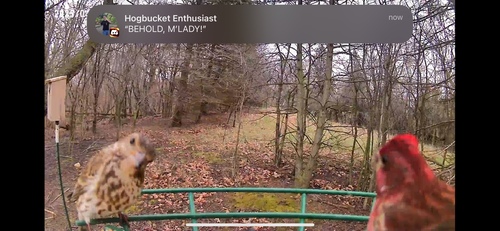 purple finch
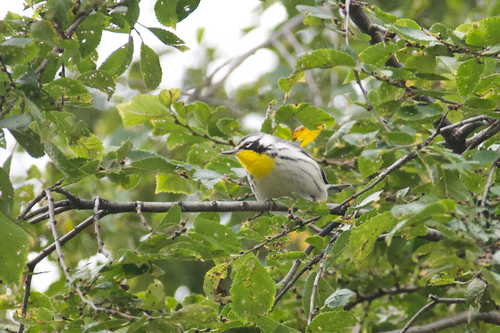 mariquita-de-garganta-amarela
Em resumo
A marca de campo mais confiável para separar o purple finch da mariquita-de-garganta-amarela é a coloração geral: o purple finch (especialmente os machos adultos) apresenta plumagem vermelha framboesa ou marrom estriada, enquanto a mariquita-de-garganta-amarela sempre tem uma garganta amarela brilhante, um padrão de cabeça preto e branco nítido e partes superiores cinzas. Em voo ou empoleirada, as barras brancas duplas nas asas da mariquita e o forte contraste facial se destacam, enquanto o finch tem asas marrons simples e uma cauda curta e recortada. Fêmeas e imaturos de ambos podem ser confusos, mas as partes inferiores brancas da mariquita com listras pretas nas flancos e a garganta amarela nunca são igualadas por qualquer purple finch. A forma e a estrutura do bico também são distintas: o finch tem um bico grosso e cônico de comedor de sementes, enquanto o da mariquita é esguio e pontudo. Se você ver um pássaro com uma garganta amarela, um padrão facial forte e barras brancas nas asas, é a mariquita; se for framboesa, marrom ou estriado com um bico pesado, é o finch.
Dicas de identificação
- Garganta amarela (todas as idades, todas as estações): Apenas a mariquita-de-garganta-amarela tem uma garganta amarela brilhante. O purple finch nunca mostra amarelo em qualquer parte da plumagem.
- Barras brancas duplas nas asas (todas as idades, todas as estações): A mariquita-de-garganta-amarela sempre mostra duas barras brancas nítidas nas asas pretas ou cinzas. O purple finch tem asas marrons simples sem barras.
- Padrão da cabeça: A mariquita-de-garganta-amarela tem um rosto preto e branco ousado com um longo supercílios branco (ou parcialmente amarelo) e uma máscara preta; a fêmea/imatura do purple finch tem uma sobrancelha pálida, mas nunca um padrão facial forte, e os machos são framboesa com listras, não mascarados.
- Forma do bico: O purple finch tem um bico grosso e cônico de comedor de sementes; a mariquita-de-garganta-amarela tem um bico esguio e pontudo para comer insetos. A forma do bico é diagnóstica em distâncias curtas.
- Coloração geral: Os machos do purple finch são vermelhos framboesa; fêmeas e imaturos são marrons e estriados. A mariquita-de-garganta-amarela é sempre cinza por cima, branca por baixo, com uma garganta amarela e listras pretas nas flancos.
- Listras nas flancos: A mariquita-de-garganta-amarela tem listras pretas apenas nos flancos, com partes inferiores brancas limpas. O purple finch é estriado em toda a parte inferior (fêmeas/imaturos), ou framboesa e estriado (machos).
- Cauda: O purple finch tem uma cauda curta e recortada marrom. A mariquita-de-garganta-amarela tem uma cauda mais longa e preta com bordas brancas (nem sempre visíveis em campo).
- Tamanho e forma: O purple finch é mais robusto e pesado; a mariquita-de-garganta-amarela é esguia e leve, com uma envergadura proporcionalmente maior para seu tamanho.
- Comportamento: O purple finch frequentemente visita comedouros, empoleira-se ereto e se alimenta de sementes. A mariquita-de-garganta-amarela é ativa, forrageia em árvores e raramente visita comedouros.
- Habitat: O purple finch é mais ao norte e amplamente distribuído em áreas florestais; a mariquita-de-garganta-amarela é do sudeste, prefere florestas de coníferas ou pântanos e está mais ligada a árvores maduras.
- Canto: O purple finch canta uma canção rica e trinado; a mariquita-de-garganta-amarela canta assobios claros e descendentes. Os chamados também são diferentes, mas podem ser sutis para iniciantes.
- Confusão de sexo/idade: Fêmeas/imaturos do purple finch são às vezes confundidos com warblers sem graça, mas não têm amarelo, barras nas asas e padrão facial forte. Fêmeas/imaturos da mariquita-de-garganta-amarela são sempre de garganta amarela, com barras nas asas e algum contraste facial, mesmo que menos nítido.
- Confusão de subespécies: As subespécies do purple finch podem ser mais escuras ou mais verdes, mas nunca mostram amarelo ou barras nas asas. As subespécies da mariquita-de-garganta-amarela diferem principalmente na cor do supercílios, mas sempre têm garganta amarela e barras nas asas.
- Visões de voo: Em voo, procure as barras brancas nas asas e a garganta amarela da mariquita; o finch mostra asas e cauda marrons simples, sem flashes brancos ou amarelos.
- Armadilhas: A iluminação pode fazer os machos do purple finch parecerem mais apagados ou marrons, mas eles nunca mostram amarelo ou barras nas asas. As mariquitas podem parecer menos nítidas em luz fraca, mas a garganta amarela e as barras nas asas estão sempre presentes.
Tamanho
O purple finch é ligeiramente maior e mais pesado, medindo 12–16 cm de comprimento e pesando em média 23,3 g [wikipedia], em comparação com o comprimento de 13–14 cm e 8,5–11,3 g da mariquita-de-garganta-amarela [wikipedia]. A mariquita é mais esguia e leve, com uma envergadura proporcionalmente maior (21 cm) para seu tamanho, enquanto o finch é mais robusto e robusto no geral. Em campo, o finch parece mais volumoso com uma cabeça mais arredondada e um pescoço mais grosso, enquanto a mariquita é esguia e ágil.
Plumagem
- Pássaros juvenis/imaturos: Nenhum padrão distintivo nas asas superiores (como painéis ou W’s) é relatado para qualquer uma das espécies na plumagem juvenil ou imatura. No entanto, a mariquita-de-garganta-amarela de todas as idades mostra barras brancas duplas nas asas cinza-pretas, uma garganta amarela e um padrão de cabeça preto e branco ousado; essas marcas estão presentes, mas menos nítidas em imaturos e aves não reprodutoras. Os imaturos e fêmeas do purple finch são marrons por cima, fortemente estriados por baixo, e não têm amarelo ou barras nas asas; eles mostram um supercílios pálido, mas nunca uma máscara facial forte ou garganta amarela.
- Machos adultos: Os machos do purple finch são vermelhos framboesa na cabeça, peito, costas e rabo, com asas e cauda marrons, e costas estriadas. Os machos da mariquita-de-garganta-amarela são cinzas por cima, com asas pretas (barras brancas duplas), garganta amarela, partes inferiores brancas com listras pretas nas flancos, e um rosto preto e branco impressionante.
- Fêmeas adultas: As fêmeas do purple finch são marrons por cima, brancas por baixo com listras marrons, e uma sobrancelha pálida; sem amarelo ou barras. As fêmeas da mariquita-de-garganta-amarela são versões mais pálidas dos machos, sempre com uma garganta amarela, barras duplas nas asas e um supercílios branco, mas com contraste menos nítido.
- Subespécies: A subespécie H. p. californicus do purple finch é mais escura e mais esverdeada nas fêmeas, com uma cauda e bico mais longos, mas ainda carece de amarelo ou barras nas asas. As subespécies da mariquita-de-garganta-amarela diferem principalmente na cor do supercílios (algumas totalmente brancas, algumas com amarelo na frente), mas todas têm a garganta amarela e barras nas asas.
Comportamento
O purple finch é um finch comedor de sementes, frequentemente visto em comedouros, em árvores ou forrageando no chão ou em arbustos. Seus movimentos são mais deliberados e semelhantes aos dos finches, com uma tendência a empoleirar-se ereto ou saltar. A mariquita-de-garganta-amarela é um insetívoro ativo, geralmente vista forrageando alto nas árvores, sondando casca e folhagem, às vezes pairando brevemente para pegar insetos. As mariquitas são mais inquietas, voando e rastejando ao longo dos galhos, e raramente visitam comedouros. Em voo, a mariquita é mais ágil e direta, enquanto o finch tem um voo saltitante e ondulante típico dos finches.
Habitat
O purple finch se reproduz em florestas de coníferas e mistas do norte dos EUA, sul do Canadá e da costa do Pacífico, e inverna em uma variedade de habitats florestais, frequentemente visitando comedouros. A mariquita-de-garganta-amarela se reproduz no sudeste dos EUA, especialmente em florestas com coníferas ou árvores de pântano, e é mais provável de ser encontrada em habitats do sul ou sudeste, frequentemente em musgo espanhol ou áreas dominadas por pinheiros. A mariquita é menos propensa a visitar comedouros e está mais ligada a árvores maduras, especialmente na época de reprodução.
Voz
O purple finch tem uma canção rica e trinado e chamados agudos 'pik' ou 'tick', típicos dos finches, mas nenhuma descrição detalhada da canção é dada aqui. A canção da mariquita-de-garganta-amarela é uma série de assobios claros e descendentes, e seus chamados são altos 'sees' ou chips agudos. Em campo, a canção da mariquita é mais musical e assobiada, enquanto a do finch é mais complexa e trinado. No entanto, sem um ouvido aguçado para o canto dos pássaros, essas diferenças podem ser sutis para iniciantes.
purple finch · mariquita-de-garganta-amarela · Minhas aves difíceis