

Purple Finch vs Yellow-throated Warbler
Haemorhous purpureus contro Setophaga dominica
Fai un quiz con Purple Finch e Yellow-throated Warbler
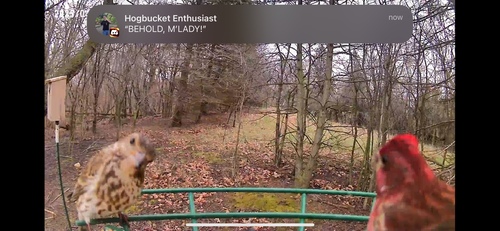 Purple Finch
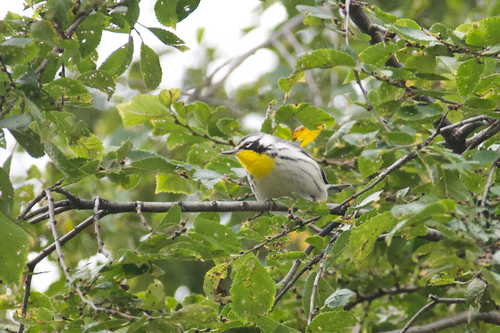 Yellow-throated Warbler
In breve
Il segno distintivo più affidabile per separare il Purple Finch dal Yellow-throated Warbler è la colorazione generale: il Purple Finch (soprattutto i maschi adulti) mostra un piumaggio rosso lampone o striato di marrone, mentre il Yellow-throated Warbler ha sempre una gola gialla brillante, un pattern della testa bianco e nero ben definito e parti superiori grigie. In volo o posato, le bande bianche doppie sulle ali del warbler e il forte contrasto facciale si distinguono, mentre il finch ha ali marroni semplici e una coda corta e incisa. Le femmine e gli immaturi di entrambi possono essere confusi, ma le parti inferiori bianche del warbler con striature nere ai fianchi e la gola gialla non sono mai eguagliate da alcun Purple Finch. La forma e la struttura del becco sono anche distintive: il finch ha un becco spesso e conico da mangiatore di semi, mentre quello del warbler è snello e appuntito. Se vedi un uccello con una gola gialla, un forte pattern facciale e bande bianche sulle ali, è il warbler; se è lampone, marrone o striato con un becco pesante, è il finch.
Consigli di identificazione
- Gola gialla (tutte le età, tutte le stagioni): Solo il Yellow-throated Warbler ha una gola gialla brillante. Il Purple Finch non mostra mai giallo in nessuna parte del piumaggio.
- Bande bianche doppie (tutte le età, tutte le stagioni): Il Yellow-throated Warbler mostra sempre due bande bianche nette su ali nerastre o grigie. Il Purple Finch ha ali marroni semplici senza bande.
- Pattern della testa: Il Yellow-throated Warbler ha un volto nero e bianco audace con un lungo sopracciglio bianco (o parzialmente giallo) e una maschera nera; la femmina/immatura del Purple Finch ha un sopracciglio chiaro ma non ha mai un forte pattern facciale, e i maschi sono lampone con striature, non mascherati.
- Forma del becco: Il Purple Finch ha un becco spesso e conico da mangiatore di semi; il Yellow-throated Warbler ha un becco snello e appuntito per mangiare insetti. La forma del becco è diagnostica a distanza ravvicinata.
- Colorazione generale: I maschi del Purple Finch sono rosso lampone; le femmine e gli immaturi sono marroni e striati. Il Yellow-throated Warbler è sempre grigio sopra, bianco sotto, con una gola gialla e striature nere ai fianchi.
- Striature ai fianchi: Il Yellow-throated Warbler ha striature nere solo ai fianchi, con parti inferiori bianche pulite. Il Purple Finch è striato su tutte le parti inferiori (femmine/immaturi), o lampone e striato (maschi).
- Coda: Il Purple Finch ha una coda marrone corta e incisa. Il Yellow-throated Warbler ha una coda nera più lunga con bordi bianchi (non sempre visibili sul campo).
- Dimensioni e forma: Il Purple Finch è più robusto e pesante; il Yellow-throated Warbler è snello e leggero, con un'apertura alare più lunga per le sue dimensioni.
- Comportamento: Il Purple Finch visita spesso i mangiatoie, si posiziona eretto e si nutre di semi. Il Yellow-throated Warbler è attivo, cerca cibo sugli alberi e visita raramente i mangiatoie.
- Habitat: Il Purple Finch è più settentrionale e diffuso in aree boschive; il Yellow-throated Warbler è sud-est, preferisce boschi di conifere o paludosi, ed è più legato a alberi maturi.
- Canto: Il Purple Finch canta una ricca melodia gorgheggiante; il Yellow-throated Warbler canta fischi chiari e discendenti. Anche i richiami sono diversi, ma possono essere sottili per i principianti.
- Confusione sesso/età: Le femmine/immaturi del Purple Finch sono talvolta scambiati per warbler poco appariscenti, ma mancano di giallo, bande e forte pattern facciale. Le femmine/immaturi del Yellow-throated Warbler sono sempre con gola gialla, con bande e qualche contrasto facciale, anche se meno netto.
- Confusione sottospecie: Le sottospecie del Purple Finch possono essere più scure o verdastre, ma non mostrano mai giallo o bande. Le sottospecie del Yellow-throated Warbler differiscono principalmente nel colore del sopracciglio, ma hanno sempre gola gialla e bande.
- Viste in volo: In volo, cerca le bande bianche del warbler e la gola gialla; il finch mostra ali e coda marroni semplici, senza lampi bianchi o gialli.
- Insidie: L'illuminazione può far sembrare i maschi del Purple Finch più opachi o marroni, ma non mostrano mai giallo o bande. I warbler possono apparire meno nitidi in scarsa luce, ma la gola gialla e le bande sono sempre presenti.
Taglia
Il Purple Finch è leggermente più grande e pesante, misurando 12–16 cm di lunghezza e mediando 23,3 g di massa [wikipedia], rispetto alla lunghezza di 13–14 cm e alla massa di 8,5–11,3 g del Yellow-throated Warbler [wikipedia]. Il warbler è più snello e leggero, con un'apertura alare proporzionalmente più lunga (21 cm) per le sue dimensioni, mentre il finch è più robusto e robusto nel complesso. Sul campo, il finch appare più massiccio con una testa più rotonda e un collo più spesso, mentre il warbler è snello e agile.
Piumaggio
- Uccelli giovani/immaturi: Non sono riportati pattern distintivi sulle ali superiori (come pannelli o W) per nessuna delle due specie in piumaggio giovanile o immaturo. Tuttavia, il Yellow-throated Warbler di tutte le età mostra bande bianche doppie su ali grigio-nerastre, una gola gialla e un audace pattern della testa bianco e nero; questi segni sono presenti ma meno nitidi negli immaturi e negli uccelli non in riproduzione. Gli immaturi e le femmine del Purple Finch sono marroni sopra, fortemente striati sotto, e mancano di giallo o bande; mostrano un sopracciglio chiaro ma non hanno mai una forte maschera facciale o gola gialla.
- Maschi adulti: I maschi del Purple Finch sono rosso lampone sulla testa, sul petto, sulla schiena e sul dorso, con ali e coda marroni e schiene striate. I maschi del Yellow-throated Warbler sono grigi sopra, con ali nere (bande bianche doppie), gola gialla, parti inferiori bianche con striature nere ai fianchi e un volto nero e bianco sorprendente.
- Femmine adulte: Le femmine del Purple Finch sono marroni sopra, bianche sotto con striature marroni, e un sopracciglio chiaro; nessun giallo o bande. Le femmine del Yellow-throated Warbler sono versioni più chiare dei maschi, sempre con una gola gialla, bande doppie e un sopracciglio bianco, ma con contrasto meno netto.
- Sottospecie: La sottospecie H. p. californicus del Purple Finch è più scura e più verdastra nelle femmine, con una coda e un becco più lunghi, ma manca ancora di giallo o bande. Le sottospecie del Yellow-throated Warbler differiscono principalmente nel colore del sopracciglio (alcuni completamente bianchi, alcuni con giallo davanti), ma tutti hanno la gola gialla e le bande.
Comportamento
Il Purple Finch è un finch mangiatore di semi, spesso visto ai mangiatoie, sugli alberi o a cercare cibo a terra o nei cespugli. I suoi movimenti sono più deliberati e simili a quelli dei finch, con una tendenza a posarsi eretto o saltellare. Il Yellow-throated Warbler è un attivo insetti-vorace, di solito visto cercare cibo in alto sugli alberi, sondando la corteccia e il fogliame, a volte sospendendosi brevemente per catturare insetti. I warbler sono più irrequieti, svolazzando e strisciando lungo i rami, e visitano raramente i mangiatoie. In volo, il warbler è più agile e diretto, mentre il finch ha un volo saltellante e ondulato tipico dei finch.
Habitat
Il Purple Finch si riproduce in foreste di conifere e miste del nord degli Stati Uniti, del sud del Canada e della costa del Pacifico, e trascorre l'inverno in una varietà di habitat boschivi, visitando spesso i mangiatoie. Il Yellow-throated Warbler si riproduce nel sud-est degli Stati Uniti, specialmente in boschi con conifere o alberi paludosi, ed è più probabile trovarlo in habitat meridionali o sud-orientali, spesso in muschio spagnolo o aree dominate da pini. Il warbler è meno probabile che visiti i mangiatoie ed è più legato ad alberi maturi, specialmente durante la stagione di riproduzione.
Voce
Il Purple Finch ha una ricca melodia gorgheggiante e richiami acuti 'pik' o 'tick', tipici dei finch, ma non viene fornita qui una descrizione dettagliata del canto. Il canto del Yellow-throated Warbler è una serie di fischi chiari e discendenti, e i suoi richiami sono alti 'sees' o chip acuti. Sul campo, il canto del warbler è più musicale e fischiato, mentre quello del finch è più complesso e gorgheggiante. Tuttavia, senza un orecchio allenato per il canto degli uccelli, queste differenze possono essere sottili per i principianti.
Purple Finch · Yellow-throated Warbler · I miei uccelli difficili