

Camachuelo Purpúreo vs Reinita Gorjiamarilla
Haemorhous purpureus frente a Setophaga dominica
Juega un quiz con Camachuelo Purpúreo y Reinita Gorjiamarilla
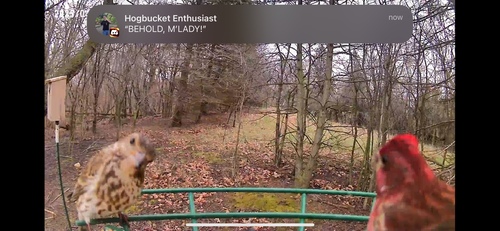 Camachuelo Purpúreo
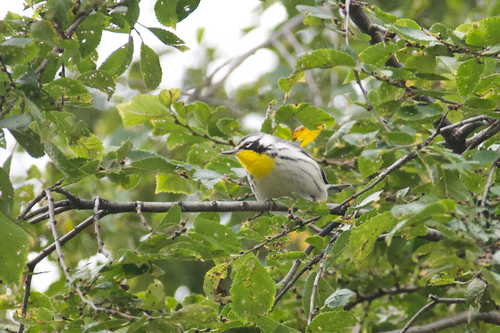 Reinita Gorjiamarilla
En breve
La marca de campo más confiable para separar el Camachuelo Purpúreo de la Reinita Gorjiamarilla es la coloración general: el Camachuelo Purpúreo (especialmente los machos adultos) muestra plumaje de color rojo frambuesa o marrón con rayas, mientras que la Reinita Gorjiamarilla siempre tiene una garganta amarilla brillante, un patrón de cabeza en blanco y negro nítido, y partes superiores grises. En vuelo o posado, las dobles bandas alares blancas de la reinita y el fuerte contraste facial destacan, mientras que el camachuelo tiene alas marrones lisas y una cola corta y muescada. Las hembras y los inmaduros de ambos pueden ser confusos, pero las partes inferiores blancas de la reinita con rayas negras en los flancos y la garganta amarilla nunca son igualadas por ningún Camachuelo Purpúreo. La forma y estructura del pico también son distintivas: el camachuelo tiene un pico grueso y cónico de comedor de semillas, mientras que el de la reinita es delgado y puntiagudo. Si ves un pájaro con una garganta amarilla, un fuerte patrón facial y bandas alares blancas, es la reinita; si es frambuesa, marrón o con rayas y tiene un pico pesado, es el camachuelo.
Consejos de identificación
- Garganta amarilla (todas las edades, todas las estaciones): Solo la Reinita Gorjiamarilla tiene una garganta amarilla brillante. El Camachuelo Purpúreo nunca muestra amarillo en ninguna parte del plumaje.
- Dobles bandas alares blancas (todas las edades, todas las estaciones): La Reinita Gorjiamarilla siempre muestra dos bandas alares blancas nítidas en alas grisáceas o negras. El Camachuelo Purpúreo tiene alas marrones lisas sin bandas alares.
- Patrón de cabeza: La Reinita Gorjiamarilla tiene una cara en blanco y negro audaz con un supercilio blanco (o parcialmente amarillo) largo y una máscara negra; la hembra/inmaduro del Camachuelo Purpúreo tiene una ceja pálida pero nunca un patrón facial fuerte, y los machos son frambuesa con rayas, no enmascarados.
- Forma del pico: El Camachuelo Purpúreo tiene un pico grueso y cónico de comedor de semillas; la Reinita Gorjiamarilla tiene un pico delgado y puntiagudo para comer insectos. La forma del pico es diagnóstica a corta distancia.
- Coloración general: Los machos del Camachuelo Purpúreo son rojos frambuesa; las hembras y los inmaduros son marrones y con rayas. La Reinita Gorjiamarilla es siempre gris por encima, blanca por debajo, con una garganta amarilla y rayas negras en los flancos.
- Rayado en los flancos: La Reinita Gorjiamarilla tiene rayas negras solo en los flancos, con partes inferiores blancas limpias. El Camachuelo Purpúreo está rayado en todas las partes inferiores (hembras/inmaduros), o frambuesa y rayado (machos).
- Cola: El Camachuelo Purpúreo tiene una cola marrón corta y muescada. La Reinita Gorjiamarilla tiene una cola negra más larga con bordes blancos (no siempre visible en el campo).
- Tamaño y forma: El Camachuelo Purpúreo es más robusto y pesado; la Reinita Gorjiamarilla es delgada y ligera, con una envergadura de alas más larga para su tamaño.
- Comportamiento: El Camachuelo Purpúreo visita a menudo comederos, se posa erguido y se alimenta de semillas. La Reinita Gorjiamarilla es activa, busca alimento en los árboles y rara vez visita comederos.
- Hábitat: El Camachuelo Purpúreo es más septentrional y se encuentra en áreas boscosas; la Reinita Gorjiamarilla es del sureste, prefiere bosques de coníferas o pantanos, y está más ligada a árboles maduros.
- Canto: El Camachuelo Purpúreo canta una rica y trémula canción; la Reinita Gorjiamarilla canta silbidos claros y descendentes. Los llamados también son diferentes, pero pueden ser sutiles para los principiantes.
- Confusión de sexo/edad: Las hembras/inmaduros del Camachuelo Purpúreo a veces son confundidos con reinitas apagadas, pero carecen de amarillo, bandas alares y un patrón facial fuerte. Las hembras/inmaduros de la Reinita Gorjiamarilla siempre tienen garganta amarilla, con bandas alares y algo de contraste facial, incluso si es menos nítido.
- Confusión de subespecies: Las subespecies del Camachuelo Purpúreo pueden ser más oscuras o verdosas, pero nunca muestran amarillo o bandas alares. Las subespecies de la Reinita Gorjiamarilla difieren principalmente en el color del supercilio, pero siempre tienen garganta amarilla y bandas alares.
- Vistas en vuelo: En vuelo, busca las bandas alares blancas y la garganta amarilla de la reinita; el camachuelo muestra alas y cola marrones lisas, sin destellos blancos o amarillos.
- Trampas: La iluminación puede hacer que los machos del Camachuelo Purpúreo parezcan más apagados o marrones, pero nunca muestran amarillo o bandas alares. Las reinitas pueden parecer menos nítidas en mala luz, pero la garganta amarilla y las bandas alares siempre están presentes.
Tamaño
El Camachuelo Purpúreo es ligeramente más grande y pesado, midiendo 12–16 cm de longitud y promediando 23.3 g de masa [wikipedia], en comparación con la longitud de 13–14 cm y la masa de 8.5–11.3 g de la Reinita Gorjiamarilla [wikipedia]. La reinita es más delgada y de cuerpo más ligero, con una envergadura de alas proporcionalmente más larga (21 cm) para su tamaño, mientras que el camachuelo es más robusto y robusto en general. En el campo, el camachuelo parece más voluminoso con una cabeza más redonda y un cuello más grueso, mientras que la reinita es delgada y ágil.
Plumaje
- Aves juveniles/inmaduros: No se informan patrones distintivos en las alas superiores (como paneles o W’s) para ninguna de las especies en plumaje juvenil o inmaduro. Sin embargo, la Reinita Gorjiamarilla de todas las edades muestra dobles bandas alares blancas en alas gris-negro, una garganta amarilla y un patrón de cabeza en blanco y negro audaz; estas marcas están presentes pero son menos nítidas en inmaduros y aves no reproductivas. Los inmaduros y hembras del Camachuelo Purpúreo son marrones por encima, con muchas rayas por debajo, y carecen de cualquier amarillo o bandas alares; muestran un supercilio pálido pero nunca una máscara facial fuerte o garganta amarilla.
- Machos adultos: Los machos del Camachuelo Purpúreo son rojos frambuesa en la cabeza, el pecho, la espalda y el rabo, con alas y cola marrones, y espaldas rayadas. Los machos de la Reinita Gorjiamarilla son grises por encima, con alas negras (dobles bandas alares blancas), garganta amarilla, partes inferiores blancas con rayas negras en los flancos, y una cara en blanco y negro llamativa.
- Hembras adultas: Las hembras del Camachuelo Purpúreo son marrones por encima, blancas por debajo con rayas marrones, y una ceja pálida; sin amarillo o bandas alares. Las hembras de la Reinita Gorjiamarilla son versiones más pálidas de los machos, siempre con una garganta amarilla, dobles bandas alares, y un supercilio blanco, pero con un contraste menos nítido.
- Subespecies: La subespecie del Camachuelo Purpúreo H. p. californicus es más oscura y más verdosa en las hembras, con una cola y un pico más largos, pero aún carece de amarillo o bandas alares. Las subespecies de la Reinita Gorjiamarilla difieren principalmente en el color del supercilio (algunas completamente blancas, algunas con amarillo en la parte delantera), pero todas tienen la garganta amarilla y bandas alares.
Comportamiento
El Camachuelo Purpúreo es un camachuelo comedor de semillas, a menudo visto en comederos, en árboles, o buscando alimento en el suelo o en arbustos. Sus movimientos son más deliberados y similares a los de un camachuelo, con una tendencia a posarse erguido o saltar. La Reinita Gorjiamarilla es un insectívoro activo, generalmente visto buscando alimento en lo alto de los árboles, sondeando la corteza y el follaje, a veces flotando brevemente para atrapar insectos. Las reinitas son más inquietas, revoloteando y arrastrándose a lo largo de las ramas, y rara vez visitan comederos. En vuelo, la reinita es más ágil y directa, mientras que el camachuelo tiene un vuelo rebotante y ondulante típico de los camachuelos.
Hábitat
El Camachuelo Purpúreo cría en bosques de coníferas y mixtos del norte de EE. UU., el sur de Canadá y la costa del Pacífico, y pasa el invierno en una variedad de hábitats boscosos, a menudo visitando comederos. La Reinita Gorjiamarilla cría en el sureste de EE. UU., especialmente en bosques con coníferas o árboles de pantano, y es más probable que se encuentre en hábitats del sur o sureste, a menudo en musgo español o áreas dominadas por pinos. La reinita es menos probable que visite comederos y está más ligada a árboles maduros, especialmente en la temporada de cría.
Voz
El Camachuelo Purpúreo tiene una rica canción trémula y llamados agudos 'pik' o 'tick', típicos de los camachuelos, pero no se da aquí una descripción detallada de la canción. La canción de la Reinita Gorjiamarilla es una serie de silbidos claros y descendentes, y sus llamados son 'sees' altos o chips agudos. En el campo, la canción de la reinita es más musical y silbada, mientras que la del camachuelo es más compleja y trémula. Sin embargo, sin un oído agudo para el canto de los pájaros, estas diferencias pueden ser sutiles para los principiantes.
Camachuelo Purpúreo · Reinita Gorjiamarilla · Mis aves difíciles