

Motmot

ムラサキマシコ 対 キノドアメリカムシクイ

Haemorhous purpureus 対 Setophaga dominica

ムラサキマシコとキノドアメリカムシクイのクイズ
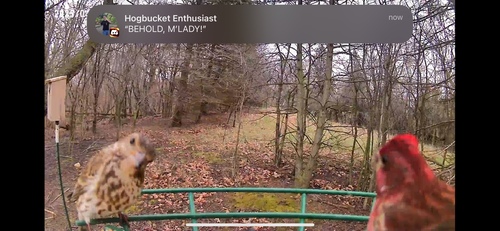
ムラサキマシコ (Haemorhous purpureus) ムラサキマシコ
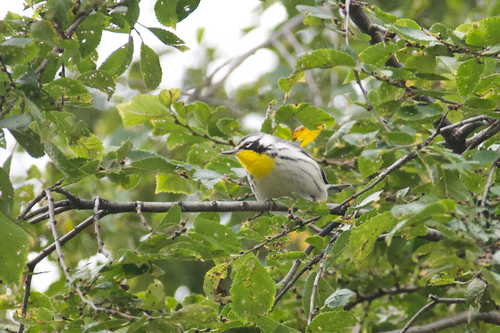
キノドアメリカムシクイ (Setophaga dominica) キノドアメリカムシクイ

メディア

読み込み中…

要点

パープルフィンチとキノドアメリカムシクイを区別する最も信頼できるフィールドマークは全体的な色合いです:パープルフィンチ(特に成鳥のオス)はラズベリー赤または茶色の縞模様の羽毛を示しますが、キノドアメリカムシクイは常に明るい黄色の喉、鮮明な白黒の頭の模様、灰色の上面を持っています。飛んでいる時や止まっている時、ムシクイの二重の白い翼帯と強い顔のコントラストが目立ちますが、フィンチは無地の茶色の翼と短い切れ込みのある尾を持っています。両者の雌と幼鳥は混乱を招くことがありますが、ムシクイの白い腹部には黒い側面の縞模様と黄色の喉があり、どのパープルフィンチとも一致することはありません。くちばしの形と構造も特徴的です:フィンチは厚く円錐形の種食者のくちばしを持ち、ムシクイは細長く尖ったくちばしを持っています。もし黄色の喉、強い顔の模様、白い翼帯を持つ鳥を見たら、それはムシクイです;もしラズベリー、茶色、または重いくちばしを持つ縞模様の鳥であれば、それはフィンチです。

識別のコツ

  1. 黄色の喉(すべての年齢、すべての季節): キノドアメリカムシクイだけが明るい黄色の喉を持っています。パープルフィンチは羽毛のどこにも黄色を示しません。
  2. 二重の白い翼帯(すべての年齢、すべての季節): キノドアメリカムシクイは常に黒っぽいまたは灰色の翼に二つの鮮明な白い翼帯を示します。パープルフィンチは翼帯のない無地の茶色の翼を持っています。
  3. 頭の模様: キノドアメリカムシクイは長い白(または部分的に黄色)の眉斑と黒いマスクを持つ大胆な白黒の顔を持っています;パープルフィンチの雌/幼鳥は淡い眉斑を持っていますが、強い顔の模様は持っておらず、オスはラズベリー色で縞模様があり、マスクはありません。
  4. くちばしの形: パープルフィンチは厚く円錐形の種食者のくちばしを持っています;キノドアメリカムシクイは昆虫食用の細長く尖ったくちばしを持っています。くちばしの形は近距離で診断的です。
  5. 全体的な色合い: パープルフィンチのオスはラズベリー赤です;雌と幼鳥は茶色で縞模様があります。キノドアメリカムシクイは常に上面が灰色、下面が白、黄色の喉と黒い側面の縞模様を持っています。
  6. 側面の縞模様: キノドアメリカムシクイは側面にのみ黒い縞模様があり、その他は清潔な白い腹部を持っています。パープルフィンチは腹部全体に縞模様があり(雌/幼鳥)、またはラズベリー色で縞模様があります(オス)。
  7. 尾: パープルフィンチは短く切れ込みのある茶色の尾を持っています。キノドアメリカムシクイは白い縁のある長い黒い尾を持っています(フィールドでは常に見えるわけではありません)。
  8. サイズと形: パープルフィンチはよりがっしりして重いです;キノドアメリカムシクイは細く軽く、サイズに対して翼幅が長いです。
  9. 行動: パープルフィンチはしばしば餌台を訪れ、直立して止まり、種を食べます。キノドアメリカムシクイは活発で、木の中を探し、餌台を訪れることは稀です。
  10. 生息地: パープルフィンチは北部の森林地域に広く分布し、キノドアメリカムシクイは南東部に生息し、針葉樹や湿地の森を好み、成熟した木により結びついています。
  11. 歌: パープルフィンチは豊かでさえずる歌を歌います;キノドアメリカムシクイは明瞭で降下する口笛を歌います。呼び声も異なりますが、初心者には微妙かもしれません。
  12. 性別/年齢の混乱: 雌/幼鳥のパープルフィンチは時々地味なムシクイと間違えられますが、黄色、翼帯、強い顔の模様がありません。雌/幼鳥のキノドアメリカムシクイは常に黄色の喉を持ち、翼帯といくつかの顔のコントラストがありますが、鮮明さは劣ります。
  13. 亜種の混乱: パープルフィンチの亜種はより暗いまたは緑がかっていることがありますが、黄色や翼帯を示すことはありません。キノドアメリカムシクイの亜種は主に眉斑の色が異なりますが、常に黄色の喉と翼帯を持っています。
  14. 飛行時の視点: 飛行中はムシクイの白い翼帯と黄色の喉を探してください;フィンチは無地の茶色の翼と尾を示し、白いフラッシュや黄色はありません。
  15. 落とし穴: 照明によってパープルフィンチのオスが鈍く見えることがありますが、黄色や翼帯は決して示しません。ムシクイは悪い光の中で鮮明さが欠けることがありますが、黄色の喉と翼帯は常に存在します。

大きさ

パープルフィンチはわずかに大きく重く、長さは12〜16 cm、平均質量は23.3 gです [wikipedia]。これに対してキノドアメリカムシクイは長さ13〜14 cm、質量は8.5〜11.3 gです [wikipedia]。ムシクイはより細長く軽い体を持ち、サイズに対して比例的に長い翼幅(21 cm)を持っていますが、フィンチは全体的にがっしりしていて頑丈です。フィールドでは、フィンチはより太く見え、頭が丸く、首が太いのに対し、ムシクイは細くて機敏です。

羽色

行動

パープルフィンチは種を食べるフィンチで、餌台、木の中、または地面や低木で採餌しているのがよく見られます。その動きはより意図的でフィンチのようで、直立して止まったり跳ねたりする傾向があります。キノドアメリカムシクイは活発な昆虫食者で、通常は高い木の中で餌を探し、樹皮や葉を突き、時々昆虫を捕まえるために短時間ホバリングします。ムシクイはより落ち着きがなく、枝に沿ってひらひらしたり這ったりし、餌台を訪れることは稀です。飛行中、ムシクイはより機敏で直接的ですが、フィンチはフィンチ特有の跳ねるような波状の飛行を持っています。

生息環境

パープルフィンチは北米の針葉樹と混合林で繁殖し、冬はさまざまな森林生息地で過ごし、しばしば餌台を訪れます。キノドアメリカムシクイは南東部で繁殖し、特に針葉樹や湿地の木々のある森林で見られ、南部または南東部の生息地で見つかる可能性が高く、しばしばスペインモスや松が優勢な地域に生息します。ムシクイは餌台を訪れる可能性が低く、特に繁殖期には成熟した木により結びついています。

声

パープルフィンチは豊かでさえずる歌と鋭い「ピク」または「ティック」の呼び声を持ち、フィンチ特有ですが、ここでは詳細な歌の説明はありません。キノドアメリカムシクイの歌は一連の明瞭で降下する口笛であり、その呼び声は高い「シー」または鋭いチップです。フィールドでは、ムシクイの歌はより音楽的で口笛のようですが、フィンチの歌はより複雑でさえずりがあります。しかし、鳥の歌に対する強い耳がないと、これらの違いは初心者には微妙かもしれません。

より良い説明を送る

比較と同じ項目を使ってください。文章はすぐに公開されます。

The most reliable field mark to separate Purple Finch from Yellow-throated Warbler is overall coloration: Purple Finch (especially adult males) shows raspberry-red or brown streaked plumage, while Yellow-throated Warbler always has a bright yellow throat, crisp black-and-white head pattern, and gray upperparts. In flight or perched, the warbler’s double white wingbars and strong facial contrast stand out, while the finch has plain brown wings and a short, notched tail. Females and immatures of both can be confusing, but the warbler’s white underparts with black flank streaks and yellow throat are never matched by any Purple Finch. Bill shape and structure are also distinctive: the finch has a thick, conical seed-eater’s bill, while the warbler’s is slender and pointed. If you see a bird with a yellow throat, strong facial pattern, and white wingbars, it is the warbler; if it is raspberry, brown, or streaky with a heavy bill, it is the finch.

  1. Yellow throat (all ages, all seasons): Only Yellow-throated Warbler has a bright yellow throat. Purple Finch never shows yellow anywhere on the plumage.
  2. Double white wingbars (all ages, all seasons): Yellow-throated Warbler always shows two crisp white wingbars on blackish or gray wings. Purple Finch has plain brown wings with no wingbars.
  3. Head pattern: Yellow-throated Warbler has a bold black-and-white face with a long white (or partly yellow) supercilium and black mask; Purple Finch female/immature has a pale eyebrow but never a strong facial pattern, and males are raspberry with streaks, not masked.
  4. Bill shape: Purple Finch has a thick, conical seed-eater’s bill; Yellow-throated Warbler has a slender, pointed bill for insect-eating. Bill shape is diagnostic at close range.
  5. Overall coloration: Purple Finch males are raspberry-red; females and immatures are brown and streaked. Yellow-throated Warbler is always gray above, white below, with a yellow throat and black flank streaks.
  6. Flank streaking: Yellow-throated Warbler has black streaks only on the flanks, with otherwise clean white underparts. Purple Finch is streaked all over the underparts (females/immatures), or raspberry and streaked (males).
  7. Tail: Purple Finch has a short, notched brown tail. Yellow-throated Warbler has a longer, black tail with white edges (not always visible in the field).
  8. Size and shape: Purple Finch is stockier and heavier; Yellow-throated Warbler is slim and light, with a longer wingspan for its size.
  9. Behavior: Purple Finch often visits feeders, perches upright, and feeds on seeds. Yellow-throated Warbler is active, forages in trees, and rarely visits feeders.
  10. Habitat: Purple Finch is more northern and widespread in wooded areas; Yellow-throated Warbler is southeastern, prefers coniferous or swampy woods, and is more tied to mature trees.
  11. Song: Purple Finch sings a rich, warbling song; Yellow-throated Warbler sings clear, descending whistles. Calls are also different, but may be subtle for beginners.
  12. Sex/age confusion: Female/immature Purple Finches are sometimes mistaken for drab warblers, but lack yellow, wingbars, and strong facial pattern. Female/immature Yellow-throated Warblers are always yellow-throated, with wingbars and some facial contrast, even if less crisp.
  13. Subspecies confusion: Purple Finch subspecies may be darker or greener, but never show yellow or wingbars. Yellow-throated Warbler subspecies differ mainly in supercilium color, but always have yellow throat and wingbars.
  14. Flight views: In flight, look for the warbler’s white wingbars and yellow throat; the finch shows plain brown wings and tail, with no white flashes or yellow.
  15. Pitfalls: Lighting can make Purple Finch males look duller or browner, but they never show yellow or wingbars. Warblers may look less crisp in poor light, but the yellow throat and wingbars are always present.

Purple Finch is slightly larger and heavier, measuring 12–16 cm in length and averaging 23.3 g in mass [wikipedia], compared to the Yellow-throated Warbler’s 13–14 cm length and 8.5–11.3 g mass [wikipedia]. The warbler is more slender and lighter-bodied, with a proportionally longer wingspan (21 cm) for its size, while the finch is stockier and more robust overall. In the field, the finch appears chunkier with a rounder head and thicker neck, while the warbler is slim and agile.

  • Juvenile/immature birds: No distinctive upperwing patterns (like panels or W’s) are reported for either species in juvenile or immature plumage. However, Yellow-throated Warbler of all ages shows double white wingbars on gray-black wings, a yellow throat, and a bold black-and-white head pattern; these marks are present but less crisp in immatures and non-breeding birds. Purple Finch immatures and females are brown above, heavily streaked below, and lack any yellow or wingbars; they show a pale supercilium but never a strong facial mask or yellow throat.
  • Adult males: Purple Finch males are raspberry-red on head, breast, back, and rump, with brown wings and tail, and streaked backs. Yellow-throated Warbler males are gray above, with black wings (double white wingbars), yellow throat, white underparts with black flank streaks, and a striking black-and-white face.
  • Adult females: Purple Finch females are brown above, white below with brown streaks, and a pale eyebrow; no yellow or wingbars. Female Yellow-throated Warblers are paler versions of males, always with a yellow throat, double wingbars, and a white supercilium, but less crisp contrast.
  • Subspecies: Purple Finch subspecies H. p. californicus is darker and more greenish in females, with a longer tail and bill, but still lacks yellow or wingbars. Yellow-throated Warbler subspecies differ mainly in supercilium color (some all-white, some with yellow at front), but all have the yellow throat and wingbars.

Purple Finch is a seed-eating finch, often seen at feeders, in trees, or foraging on the ground or in shrubs. Its movements are more deliberate and finch-like, with a tendency to perch upright or hop. Yellow-throated Warbler is an active insectivore, usually seen foraging high in trees, probing bark and foliage, sometimes hovering briefly to catch insects. Warblers are more restless, flitting and creeping along branches, and rarely visit feeders. In flight, the warbler is more agile and direct, while the finch has a bounding, undulating flight typical of finches.

Purple Finch breeds in coniferous and mixed forests of northern US, southern Canada, and the Pacific coast, and winters in a variety of wooded habitats, often visiting feeders. Yellow-throated Warbler breeds in southeastern US, especially in woodlands with conifers or swamp trees, and is more likely to be found in southern or southeastern habitats, often in Spanish moss or pine-dominated areas. The warbler is less likely to visit feeders and is more tied to mature trees, especially in the breeding season.

Purple Finch has a rich, warbling song and sharp 'pik' or 'tick' calls, typical of finches, but no detailed song description is given here. Yellow-throated Warbler’s song is a series of clear, descending whistles, and its calls are high 'sees' or sharp chips. In the field, the warbler’s song is more musical and whistled, while the finch’s is more complex and warbly. However, without a strong ear for bird song, these differences may be subtle for beginners.

変更を破棄しますか?

保存していない編集があります。今離れると失われます。

ムラサキマシコ · キノドアメリカムシクイ · 苦手な鳥