

nashville warbler vs pine warbler
Leiothlypis ruficapilla versus Setophaga pinus
Jogue um quiz com nashville warbler e pine warbler
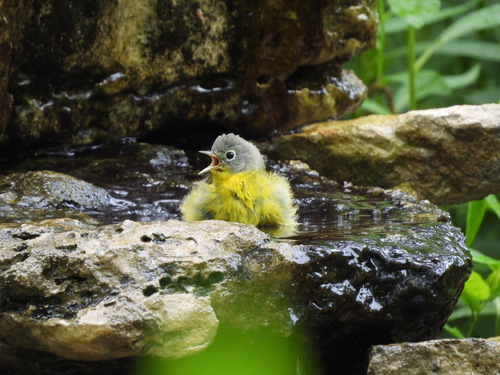 nashville warbler
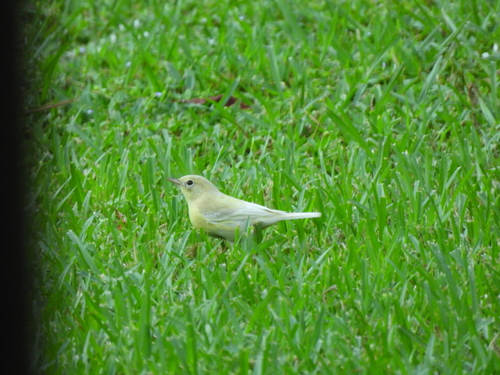 pine warbler
Em resumo
A marca de campo mais confiável entre nashville warbler e pine warbler é a presença de duas barras brancas ousadas nas asas do pine warbler de todas as idades, que estão completamente ausentes no nashville warbler. O nashville warbler apresenta uma cabeça cinza limpa com um anel ocular branco completo e sem barras nas asas, enquanto o pine warbler tem um espetáculo amarelado, mas sem um anel ocular completo, e sempre apresenta barras nas asas. Ambas as espécies têm gargantas amarelas e partes superiores oliva, mas o amarelo do nashville warbler é mais brilhante e mais nitidamente destacado por sua cabeça cinza, especialmente nos adultos. As diferenças estruturais são sutis, mas o pine warbler é ligeiramente mais robusto e com bico mais pesado. Os pássaros imaturos e fêmeas são os mais comumente confundidos; concentre-se no padrão das asas e no anel ocular para uma separação confiante.
Dicas de identificação
- Barras nas asas: O pine warbler sempre apresenta duas barras brancas ousadas na asa, independentemente da idade ou sexo. O nashville warbler nunca apresenta barras nas asas em nenhuma idade. Esta é a marca de campo mais confiável em todas as situações.
- Anel ocular vs. espetáculo: O nashville warbler tem um anel ocular branco completo e ousado (todas as idades e sexos). O pine warbler não possui um anel ocular completo, mas pode mostrar um espetáculo amarelado (anel ou arco parcial) ao redor do olho; nunca um anel branco completo.
- Cor da cabeça: Os adultos de nashville warbler têm uma cabeça cinza limpa que contrasta nitidamente com as costas verde-oliva, especialmente na subespécie oriental. A cabeça do pine warbler é oliva ou oliva-marrom, misturando-se com as costas, sem contraste nítido.
- Cor da garganta e peito: Ambos têm gargantas e peitos amarelos, mas a do nashville warbler é mais brilhante e mais nitidamente definida, especialmente nos machos. O amarelo do pine warbler é frequentemente mais opaco ou mais claro, especialmente em fêmeas e imaturos.
- Mancha na coroa: O macho nashville warbler pode mostrar uma mancha de coroa enferrujada oculta quando agitado, mas isso raramente é visível e não é uma marca de campo confiável.
- Forma do bico: O pine warbler tem um bico ligeiramente mais pesado e longo em comparação com o bico mais fino e pontudo do nashville warbler. Isso é sutil, mas pode ser notado com boas vistas.
- Cor das pernas: O pine warbler tem pernas escuras; a cor das pernas do nashville warbler não é distintiva para separação do pine warbler.
- Movimento da cauda: O nashville warbler frequentemente agita sua cauda enquanto forrageia; o pine warbler não apresenta esse comportamento com tanta frequência.
- Comportamento de forrageio: O pine warbler frequentemente forrageia em pinhas e troncos de árvores, às vezes até no chão por sementes. O nashville warbler se limita a colher em arbustos e árvores baixas.
- Contexto de habitat: Em florestas dominadas por pinheiros, especialmente no sudeste, o pine warbler é muito mais provável. O nashville warbler prefere habitats arbustivos e raramente é encontrado em áreas puras de pinheiros.
- Contexto sazonal: Fora da migração, o nashville warbler é improvável nas florestas de pinheiros do sudeste dos EUA. O pine warbler é residente ou está presente durante todo o ano em grande parte de sua área de distribuição.
- Armadilhas de sexo e idade: Fêmeas e imaturos de ambas as espécies são mais opacos, mas as diferenças nas barras das asas e no anel ocular permanecem confiáveis. Não confie apenas no brilho geral.
- Em voo: Mesmo em vistas rápidas ou distantes, a presença (Pine) ou ausência (Nashville) de barras nas asas é diagnóstica.
- Bandos mistos: O nashville warbler pode se juntar a bandos de espécies mistas no inverno; o pine warbler é mais provável de ser visto sozinho ou em pequenos grupos, frequentemente em pinheiros.
- Confusão com outras espécies: O pine warbler pode se assemelhar ao vireo de garganta amarela, mas o nashville warbler é improvável de ser confundido com espécies de vireo devido à sua combinação única de cabeça cinza e anel ocular branco.
Tamanho
O pine warbler é ligeiramente maior e mais pesado que o nashville warbler (massa corporal: pine warbler 11,9 g vs. nashville warbler 8,8 g [wikidata]). No campo, essa diferença é sutil, mas o pine warbler pode parecer um pouco mais robusto e robusto, com um bico ligeiramente mais longo. Ambos são pequenos warblers, mas o pine warbler pode parecer um pouco mais atarracado, especialmente ao forragear em troncos ou galhos.
Plumagem
- Pássaros juvenis/imaturos: O pine warbler de todas as idades apresenta duas barras brancas claras nas asas, em partes superiores oliva-marrom, e um espetáculo amarelado ao redor do olho (não um anel ocular completo). Os imaturos do nashville warbler não têm barras nas asas, têm uma cabeça oliva-cinza mais opaca e mantêm um anel ocular branco completo. O amarelo na garganta e no peito é menos ousado em imaturos de nashville warbler do que em adultos, mas ainda está presente.
- Machos adultos: Os machos nashville warbler têm uma cabeça cinza limpa com uma mancha de coroa enferrujada sutil (frequentemente oculta), costas verde-oliva, garganta e peito amarelos, e um anel ocular branco completo. Os machos pine warbler têm partes superiores oliva, garganta e peito amarelos brilhantes, duas barras brancas nas asas e um espetáculo amarelado, mas sem um anel ocular completo.
- Fêmeas: As fêmeas de ambas as espécies são mais opacas, mas os mesmos contrastes se mantêm: as fêmeas do pine warbler têm barras nas asas e um espetáculo amarelado, enquanto as fêmeas do nashville warbler não têm barras nas asas e têm um anel ocular branco completo. As gargantas e peitos das fêmeas do pine warbler são amarelos mais claros, enquanto as fêmeas do nashville warbler são menos amarelas do que os machos, mas ainda mostram uma garganta e peito amarelos.
- Em voo: A falta de barras nas asas no nashville warbler é diagnóstica em todas as idades e estações. O pine warbler sempre apresenta duas barras brancas nas asas, visíveis mesmo em vistas rápidas.
Comportamento
O nashville warbler tipicamente forrageia colhendo insetos em arbustos e árvores baixas, frequentemente agitando sua cauda. O pine warbler tende a forragear mais devagar, frequentemente mais alto, e é único entre os warblers por regularmente furar pinhas e até forragear no chão por sementes. Os movimentos mais pesados e lentos do pine warbler e a tendência de forragear em troncos ou em pinhas podem ser uma pista comportamental, enquanto o nashville warbler é mais ativo e agita sua cauda com frequência.
Habitat
O nashville warbler se reproduz no norte e oeste dos EUA e no sul do Canadá, favorecendo habitats arbustivos ou de segundo crescimento, e inverna no sul dos EUA, México e norte da América Central. O pine warbler está mais intimamente ligado a florestas dominadas por pinheiros, especialmente no sudeste dos EUA, mas também se reproduz no nordeste e sudeste do Canadá. Se visto em extensas florestas de pinheiros, o pine warbler é muito mais provável; o nashville warbler raramente é encontrado em áreas puras de pinheiros.