

Nashville Warbler vs Pine Warbler
Leiothlypis ruficapilla contro Setophaga pinus
Fai un quiz con Nashville Warbler e Pine Warbler
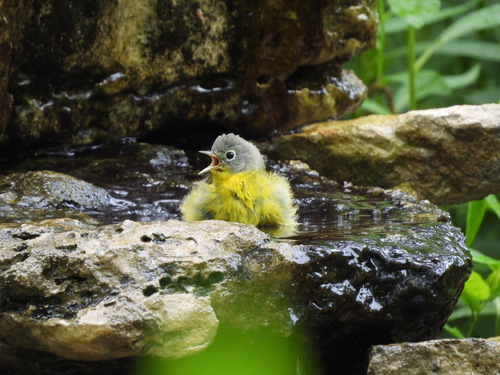 Nashville Warbler
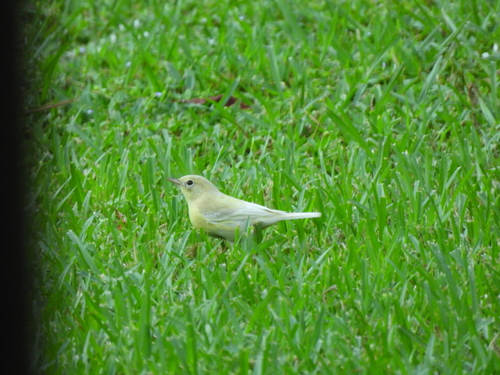 Pine Warbler
In breve
Il segno di campo più affidabile tra Nashville Warbler e Pine Warbler è la presenza di due evidenti barre alari bianche su Pine Warbler di tutte le età, che sono completamente assenti in Nashville Warbler. Nashville Warbler mostra una testa grigia pulita con un anello oculare bianco completo e senza barre alari, mentre Pine Warbler ha uno spettacolo giallastro ma senza un anello oculare completo, e mostra sempre barre alari. Entrambe le specie hanno gole gialle e parti superiori olivastre, ma il giallo di Nashville Warbler è più brillante e più nettamente definito dalla sua testa grigia, specialmente negli adulti. Le differenze strutturali sono sottili, ma Pine Warbler è leggermente più robusto e con un becco più pesante. Gli uccelli immaturi e femminili sono i più comunemente confusi; concentrati sul modello delle ali e sull'anello oculare per una separazione sicura.
Consigli di identificazione
- Barre alari: Pine Warbler mostra sempre due evidenti barre alari bianche sulla parte superiore dell'ala, indipendentemente dall'età o dal sesso. Nashville Warbler non mostra mai barre alari a nessuna età. Questo è il segno di campo più affidabile in tutte le situazioni.
- Anello oculare vs. spettacolo: Nashville Warbler ha un anello oculare bianco completo e audace (tutte le età e sessi). Pine Warbler manca di un anello oculare completo ma può mostrare uno spettacolo giallastro (anello parziale o arco) attorno all'occhio; mai un anello bianco completo.
- Colore della testa: Gli adulti di Nashville Warbler hanno una testa grigia pulita che contrasta nettamente con il dorso verde oliva, specialmente nella sottospecie orientale. La testa di Pine Warbler è oliva o oliva-marrone, fondendosi nel dorso, senza un contrasto netto.
- Colore della gola e del petto: Entrambi hanno gole e petti gialli, ma quello di Nashville Warbler è più brillante e più nettamente definito, specialmente nei maschi. Il giallo di Pine Warbler è spesso più opaco o più chiaro, specialmente nelle femmine e negli immaturi.
- Macchia sulla corona: Il maschio di Nashville Warbler può mostrare una macchia sulla corona rugginosa nascosta quando è agitato, ma questo è raramente visibile e non è un segno di campo affidabile.
- Forma del becco: Pine Warbler ha un becco leggermente più pesante e lungo rispetto al becco più fine e appuntito di Nashville Warbler. Questo è sottile ma può essere notato con buone visuali.
- Colore delle zampe: Pine Warbler ha zampe scure; il colore delle zampe di Nashville Warbler non è distintivo per la separazione da Pine Warbler.
- Movimento della coda: Nashville Warbler spesso muove la coda mentre cerca cibo; Pine Warbler non mostra questo comportamento così frequentemente.
- Comportamento di foraggiamento: Pine Warbler spesso cerca cibo su coni di pino e tronchi d'albero, a volte anche a terra per semi. Nashville Warbler si attiene a raccogliere insetti in arbusti e alberi più bassi.
- Contesto dell'habitat: Nei boschi dominati dai pini, specialmente nel sud-est, Pine Warbler è molto più probabile. Nashville Warbler preferisce habitat arbustivi ed è raramente trovato in foreste di pino puro.
- Contesto stagionale: Fuori dalla migrazione, Nashville Warbler è improbabile nei boschi di pino del sud-est degli Stati Uniti. Pine Warbler è residente o presente tutto l'anno in gran parte del suo areale.
- Trappole per sesso e età: Le femmine e gli immaturi di entrambe le specie sono più opachi, ma le differenze nelle barre alari e nell'anello oculare rimangono affidabili. Non fare affidamento solo sulla luminosità complessiva.
- In volo: Anche in visuali di volo rapide o distanti, la presenza (Pine) o l'assenza (Nashville) di barre alari è diagnostica.
- Stormi misti: Nashville Warbler può unirsi a stormi di specie miste in inverno; Pine Warbler è più probabile che venga visto singolarmente o in piccoli gruppi, spesso tra i pini.
- Confusione con altre specie: Pine Warbler può assomigliare a Yellow-throated Vireo, ma Nashville Warbler è improbabile che venga confuso con le specie di vireo a causa della sua combinazione unica di testa grigia e anello oculare bianco.
Taglia
Pine Warbler è leggermente più grande e pesante di Nashville Warbler (massa corporea: Pine Warbler 11.9 g vs. Nashville Warbler 8.8 g [wikidata]). Sul campo, questa differenza è sottile ma Pine Warbler può apparire un po' più robusto e robusto, con un becco leggermente più lungo. Entrambi sono piccoli warbler, ma Pine Warbler può sembrare un po' più tozzo, specialmente quando cerca cibo su tronchi o rami.
Piumaggio
- Uccelli giovanili/immaturi: Pine Warbler di tutte le età mostra due chiare barre alari bianche su parti superiori altrimenti oliva-marroni, e uno spettacolo giallastro attorno all'occhio (non un anello oculare completo). Gli immaturi di Nashville Warbler mancano completamente di barre alari, hanno una testa grigia-oliva più opaca e mantengono un anello oculare bianco completo. Il giallo sulla gola e sul petto è meno audace negli immaturi di Nashville Warbler rispetto agli adulti, ma è comunque presente.
- Maschi adulti: I maschi di Nashville Warbler hanno una testa grigia pulita con una sottile (spesso nascosta) macchia rugginosa sulla corona, dorso verde oliva, gola e petto gialli, e un anello oculare bianco completo. I maschi di Pine Warbler hanno parti superiori olivastre, gola e petto gialli brillanti, due barre alari bianche, e uno spettacolo giallastro ma senza un anello oculare completo.
- Femmine: Le femmine di entrambe le specie sono più opache, ma gli stessi contrasti si mantengono: le femmine di Pine Warbler hanno barre alari e uno spettacolo giallastro, le femmine di Nashville Warbler non hanno barre alari e un anello oculare bianco completo. Le gole e i petti delle femmine di Pine Warbler sono di un giallo più chiaro, mentre le femmine di Nashville Warbler sono meno audaci nel giallo rispetto ai maschi ma mostrano comunque una gola e un petto gialli.
- In volo: L'assenza di barre alari su Nashville Warbler è diagnostica a tutte le età e stagioni. Pine Warbler mostra sempre due barre alari bianche, visibili anche in visuali rapide.
Comportamento
Nashville Warbler tipicamente cerca cibo raccogliendo insetti in arbusti e alberi più bassi, spesso muovendo la coda. Pine Warbler tende a cercare cibo più lentamente, spesso più in alto, ed è unico tra i warbler per infilarsi regolarmente nei coni di pino e persino cercare cibo a terra per semi. I movimenti più pesanti e lenti di Pine Warbler e la sua tendenza a cercare cibo su tronchi o nei coni di pino possono essere un indizio comportamentale, mentre Nashville Warbler è più attivo e muove frequentemente la coda.
Habitat
Nashville Warbler nidifica nel nord e nell'ovest degli Stati Uniti e nel sud del Canada, preferendo habitat arbustivi o di seconda crescita, e sverna nel sud degli Stati Uniti, in Messico e nel nord dell'America Centrale. Pine Warbler è più strettamente legato a foreste dominate dai pini, specialmente nel sud-est degli Stati Uniti, ma nidifica anche nel nord-est e nel sud-est del Canada. Se visto in ampie foreste di pino, Pine Warbler è molto più probabile; Nashville Warbler è raramente trovato in foreste di pino puro.