

Motmot

ズアカアメリカムシクイ 対 マツアメリカムシクイ

Leiothlypis ruficapilla 対 Setophaga pinus

ズアカアメリカムシクイとマツアメリカムシクイのクイズ
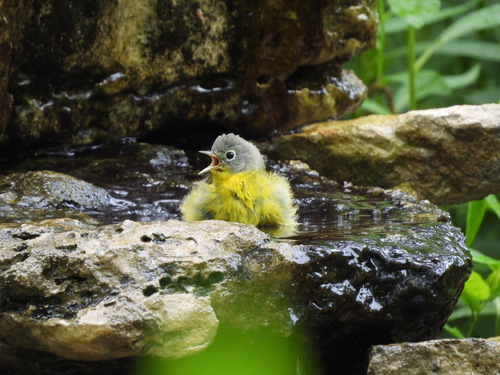
ズアカアメリカムシクイ (Leiothlypis ruficapilla) ズアカアメリカムシクイ
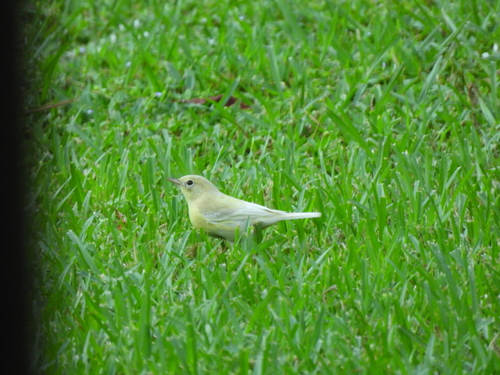
マツアメリカムシクイ (Setophaga pinus) マツアメリカムシクイ

メディア

読み込み中…

要点

ナッシュビルムシクイとマツアメリカムシクイの最も信頼できるフィールドマークは、マツアメリカムシクイのすべての年齢において存在する2つの太い白い翼帯であり、ナッシュビルムシクイには完全に欠如しています。ナッシュビルムシクイは、完全な白いアイリングと翼帯がないきれいな灰色の頭を示し、一方、マツアメリカムシクイは黄色がかったスペクタクルを持っていますが、完全なアイリングはなく、常に翼帯を示します。両種は黄色い喉とオリーブ色の上面を持っていますが、ナッシュビルムシクイの黄色はより明るく、特に成鳥では灰色の頭と鮮やかに対比されています。構造的な違いは微妙ですが、マツアメリカムシクイはわずかにがっしりしていて、くちばしが重いです。未熟な個体と雌は最も混同されやすいです; 自信を持って区別するためには翼のパターンとアイリングに注目してください。

識別のコツ

  1. 翼帯: マツアメリカムシクイは年齢や性別に関係なく、常に上翼に2つの太い白い翼帯を示します。ナッシュビルムシクイはどの年齢でも翼帯を示しません。これはすべての状況で最も信頼できるフィールドマークです。
  2. アイリングとスペクタクル: ナッシュビルムシクイは完全で太い白いアイリングを持っています(すべての年齢と性別)。マツアメリカムシクイは完全なアイリングを欠いていますが、目の周りに黄色がかったスペクタクルを示すことがあります(部分的なリングまたは弧); 完全な白いリングはありません。
  3. 頭の色: ナッシュビルムシクイの成鳥は、オリーブグリーンの背中と鋭く対比するきれいな灰色の頭を持っています。特に東部亜種では顕著です。マツアメリカムシクイの頭はオリーブまたはオリーブブラウンで、背中に溶け込み、鋭い対比はありません。
  4. 喉と胸の色: 両種は黄色い喉と胸を持っていますが、ナッシュビルムシクイの方が明るく、特にオスではより鮮明に定義されています。マツアメリカムシクイの黄色は、特に雌や未熟な個体ではしばしば鈍いまたは淡いです。
  5. 冠の斑点: オスのナッシュビルムシクイは興奮したときに隠れた錆色の冠の斑点を示すことがありますが、これはめったに見えず、信頼できるフィールドマークではありません。
  6. くちばしの形: マツアメリカムシクイは、ナッシュビルムシクイのより細く尖ったくちばしに比べて、わずかに重く、長いくちばしを持っています。これは微妙ですが、良い視界で気づくことができます。
  7. 脚の色: マツアメリカムシクイは暗い脚を持っています; ナッシュビルムシクイの脚の色は、マツアメリカムシクイとの区別には特異ではありません。
  8. 尾の動き: ナッシュビルムシクイは採餌中にしばしば尾を振ります; マツアメリカムシクイはこの行動をそれほど頻繁には示しません。
  9. 採餌行動: マツアメリカムシクイはしばしば松ぼっくりや木の幹で採餌し、時には地面で種を探すこともあります。ナッシュビルムシクイは低木や低木の木での採餌に固執します。
  10. 生息地の文脈: 松が支配する森林、特に南東部では、マツアメリカムシクイがはるかに可能性が高いです。ナッシュビルムシクイは低木の生息地を好み、純粋な松の林ではめったに見られません。
  11. 季節的文脈: 渡りの外では、ナッシュビルムシクイは南東部のアメリカの松の森林では可能性が低いです。マツアメリカムシクイはその範囲の大部分で常駐または年間を通じて存在します。
  12. 性別と年齢の落とし穴: 両種の雌と未熟な個体は鈍いですが、翼帯とアイリングの違いは信頼できます。全体の明るさだけに頼らないでください。
  13. 飛行中: 迅速または遠くからの飛行の視界でも、翼帯の存在(マツ)または欠如(ナッシュビル)は診断的です。
  14. 混合群: ナッシュビルムシクイは冬に混合種の群れに参加することがあります; マツアメリカムシクイは単独または小さなグループで見られる可能性が高く、しばしば松の中にいます。
  15. 他の種との混同: マツアメリカムシクイはイエロースロートビレオに似ることがありますが、ナッシュビルムシクイは灰色の頭と白いアイリングの独特の組み合わせにより、ビレオ種と混同される可能性は低いです。

大きさ

マツアメリカムシクイはナッシュビルムシクイよりわずかに大きく、重いです(体重: マツアメリカムシクイ 11.9 g 対 ナッシュビルムシクイ 8.8 g [wikidata])。フィールドでは、この違いは微妙ですが、マツアメリカムシクイはわずかにがっしりしていて、より頑丈に見えることがあります。両者は小さなムシクイですが、特に幹や枝で採餌しているときにマツアメリカムシクイは少しがっしりしているように見えることがあります。

羽色

行動

ナッシュビルムシクイは通常、低木や木の中で昆虫を採餌することで採餌し、しばしば尾を振ります。マツアメリカムシクイはよりゆっくりと採餌する傾向があり、しばしば高い位置で、松ぼっくりに定期的に突っ込んだり、地面で種を探したりすることで、ムシクイの中でユニークです。マツアメリカムシクイの重い、遅い動きと幹や松ぼっくりでの採餌の傾向は行動の手がかりとなることがありますが、ナッシュビルムシクイはより活発で、頻繁に尾を振ります。

生息環境

ナッシュビルムシクイは北部および西部のアメリカと南部のカナダで繁殖し、低木や二次成長の生息地を好み、南部のアメリカ、メキシコ、中央アメリカ北部で冬を越します。マツアメリカムシクイは、特に南東部の松が支配する森林に密接に結びついていますが、北東部や南東部のカナダでも繁殖します。広範な松の森林で見られた場合、マツアメリカムシクイの可能性がはるかに高いです; ナッシュビルムシクイは純粋な松の林ではめったに見られません。

より良い説明を送る

比較と同じ項目を使ってください。文章はすぐに公開されます。

The most reliable field mark between Nashville Warbler and Pine Warbler is the presence of two bold white wing bars on Pine Warbler of all ages, which are completely absent in Nashville Warbler. Nashville Warbler shows a clean gray head with a full white eye ring and no wing bars, while Pine Warbler has a yellowish spectacle but no full eye ring, and always shows wing bars. Both species have yellow throats and olive upperparts, but Nashville Warbler’s yellow is brighter and more sharply set off by its gray head, especially in adults. Structural differences are subtle, but Pine Warbler is slightly bulkier and heavier-billed. Immature and female birds are the most commonly confused; focus on the wing pattern and eye ring for a confident separation.

  1. Wing bars: Pine Warbler always shows two bold white wing bars on the upperwing, regardless of age or sex. Nashville Warbler never shows wing bars at any age. This is the most reliable field mark in all situations.
  2. Eye ring vs. spectacle: Nashville Warbler has a complete, bold white eye ring (all ages and sexes). Pine Warbler lacks a full eye ring but may show a yellowish spectacle (partial ring or arc) around the eye; never a full white ring.
  3. Head color: Nashville Warbler adults have a clean gray head that contrasts sharply with the olive-green back, especially in the eastern subspecies. Pine Warbler’s head is olive or olive-brown, blending into the back, with no sharp contrast.
  4. Throat and breast color: Both have yellow throats and breasts, but Nashville Warbler’s is brighter and more sharply defined, especially in males. Pine Warbler’s yellow is often duller or paler, especially in females and immatures.
  5. Crown patch: Male Nashville Warbler may show a hidden rusty crown patch when agitated, but this is rarely visible and not a reliable field mark.
  6. Bill shape: Pine Warbler has a slightly heavier, longer bill compared to the finer, more pointed bill of Nashville Warbler. This is subtle but can be noticed with good views.
  7. Leg color: Pine Warbler has dark legs; Nashville Warbler’s leg color is not distinctive for separation from Pine Warbler.
  8. Tail movement: Nashville Warbler often flicks its tail while foraging; Pine Warbler does not show this behavior as frequently.
  9. Foraging behavior: Pine Warbler often forages on pine cones and tree trunks, sometimes even on the ground for seeds. Nashville Warbler sticks to gleaning in shrubs and lower trees.
  10. Habitat context: In pine-dominated forests, especially in the southeast, Pine Warbler is much more likely. Nashville Warbler prefers shrubby habitats and is rarely found in pure pine stands.
  11. Seasonal context: Outside migration, Nashville Warbler is unlikely in the southeast US pine forests. Pine Warbler is resident or present year-round in much of its range.
  12. Sex and age pitfalls: Females and immatures of both species are duller, but the wing bar and eye ring differences remain reliable. Do not rely on overall brightness alone.
  13. In flight: Even in quick or distant flight views, the presence (Pine) or absence (Nashville) of wing bars is diagnostic.
  14. Mixed flocks: Nashville Warbler may join mixed-species flocks in winter; Pine Warbler is more likely to be seen singly or in small groups, often in pines.
  15. Confusion with other species: Pine Warbler can resemble Yellow-throated Vireo, but Nashville Warbler is not likely to be confused with vireo species due to its unique combination of gray head and white eye ring.

Pine Warbler is slightly larger and heavier than Nashville Warbler (body mass: Pine Warbler 11.9 g vs. Nashville Warbler 8.8 g [wikidata]). In the field, this difference is subtle but Pine Warbler can appear a bit bulkier and more robust, with a slightly longer bill. Both are small warblers, but Pine Warbler may look a touch stockier, especially when foraging on trunks or branches.

  • Juvenile/Immature birds: Pine Warbler of all ages shows two clear white wing bars on otherwise olive-brown upperparts, and a yellowish spectacle around the eye (not a full eye ring). Nashville Warbler immatures lack wing bars entirely, have a duller olive-grey head, and retain a complete white eye ring. The yellow on the throat and breast is less bold in immature Nashville Warbler than adults, but still present.
  • Adult males: Nashville Warbler males have a clean gray head with a subtle (often hidden) rusty crown patch, olive-green back, yellow throat and breast, and a complete white eye ring. Pine Warbler males have olive upperparts, bright yellow throat and breast, two white wing bars, and a yellowish spectacle but no full eye ring.
  • Females: Both species’ females are duller, but the same contrasts hold: Pine Warbler females have wing bars and a yellowish spectacle, Nashville Warbler females have no wing bars and a full white eye ring. Pine Warbler females’ throats and breasts are paler yellow, while Nashville Warbler females are less boldly yellow than males but still show a yellow throat and breast.
  • In flight: The lack of wing bars on Nashville Warbler is diagnostic at all ages and seasons. Pine Warbler always shows two white wing bars, visible even in quick views.

Nashville Warbler typically forages by gleaning insects in lower shrubs and trees, often flicking its tail. Pine Warbler tends to forage more slowly, often higher up, and is unique among warblers for regularly poking into pine cones and even foraging on the ground for seeds. Pine Warbler’s heavier, slower movements and tendency to forage on trunks or in pine cones can be a behavioral clue, while Nashville Warbler is more active and flicks its tail frequently.

Nashville Warbler breeds in northern and western US and southern Canada, favoring shrubby or second-growth habitats, and winters in the southern US, Mexico, and northern Central America. Pine Warbler is more closely tied to pine-dominated forests, especially in the southeastern US, but also breeds in the northeast and southeastern Canada. If seen in extensive pine woodland, Pine Warbler is much more likely; Nashville Warbler is rarely found in pure pine stands.

変更を破棄しますか?

保存していない編集があります。今離れると失われます。

ズアカアメリカムシクイ · マツアメリカムシクイ · 苦手な鳥