

Reinita de Nashville vs Reinita del Pinar
Leiothlypis ruficapilla frente a Setophaga pinus
Juega un quiz con Reinita de Nashville y Reinita del Pinar
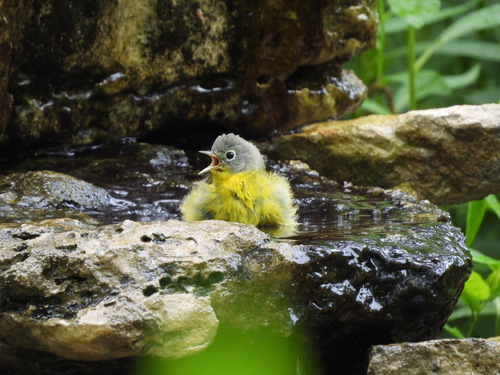 Reinita de Nashville
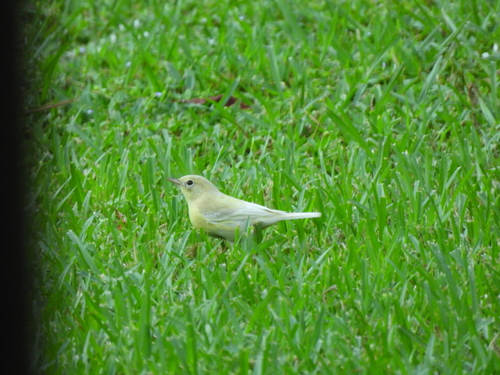 Reinita del Pinar
En breve
La marca de campo más confiable entre la Reinita de Nashville y la Reinita del Pinar es la presencia de dos barras alares blancas en la Reinita del Pinar de todas las edades, que están completamente ausentes en la Reinita de Nashville. La Reinita de Nashville muestra una cabeza gris limpia con un anillo ocular blanco completo y sin barras alares, mientras que la Reinita del Pinar tiene un espectáculo amarillento pero no un anillo ocular completo, y siempre muestra barras alares. Ambas especies tienen gargantas amarillas y partes superiores oliváceas, pero el amarillo de la Reinita de Nashville es más brillante y se destaca más nítidamente por su cabeza gris, especialmente en los adultos. Las diferencias estructurales son sutiles, pero la Reinita del Pinar es ligeramente más robusta y con un pico más pesado. Las aves inmaduras y hembras son las más comúnmente confundidas; concéntrate en el patrón de las alas y el anillo ocular para una separación confiable.
Consejos de identificación
- Barras alares: La Reinita del Pinar siempre muestra dos barras alares blancas en el ala superior, independientemente de la edad o el sexo. La Reinita de Nashville nunca muestra barras alares a ninguna edad. Esta es la marca de campo más confiable en todas las situaciones.
- Anillo ocular vs. espectáculo: La Reinita de Nashville tiene un anillo ocular blanco completo y audaz (todas las edades y sexos). La Reinita del Pinar carece de un anillo ocular completo pero puede mostrar un espectáculo amarillento (anillo parcial o arco) alrededor del ojo; nunca un anillo blanco completo.
- Color de la cabeza: Los adultos de la Reinita de Nashville tienen una cabeza gris limpia que contrasta marcadamente con la espalda verde olivácea, especialmente en la subespecie oriental. La cabeza de la Reinita del Pinar es olivácea o marrón-olivácea, fusionándose con la espalda, sin un contraste marcado.
- Color de la garganta y el pecho: Ambas tienen gargantas y pechos amarillos, pero el de la Reinita de Nashville es más brillante y más nítidamente definido, especialmente en los machos. El amarillo de la Reinita del Pinar es a menudo más apagado o pálido, especialmente en hembras e inmaduros.
- Parche en la corona: El macho de la Reinita de Nashville puede mostrar un parche en la corona oxidado oculto cuando está agitado, pero esto rara vez es visible y no es una marca de campo confiable.
- Forma del pico: La Reinita del Pinar tiene un pico ligeramente más pesado y largo en comparación con el pico más fino y puntiagudo de la Reinita de Nashville. Esto es sutil pero puede notarse con buenas vistas.
- Color de las patas: La Reinita del Pinar tiene patas oscuras; el color de las patas de la Reinita de Nashville no es distintivo para separarla de la Reinita del Pinar.
- Movimiento de la cola: La Reinita de Nashville a menudo mueve su cola mientras forajea; la Reinita del Pinar no muestra este comportamiento con tanta frecuencia.
- Comportamiento de forrajeo: La Reinita del Pinar a menudo forajea en conos de pino y troncos de árboles, a veces incluso en el suelo en busca de semillas. La Reinita de Nashville se limita a recoger en arbustos y árboles bajos.
- Contexto de hábitat: En bosques dominados por pinos, especialmente en el sureste, es mucho más probable encontrar a la Reinita del Pinar. La Reinita de Nashville prefiere hábitats arbustivos y rara vez se encuentra en masas puras de pinos.
- Contexto estacional: Fuera de la migración, es poco probable encontrar a la Reinita de Nashville en los bosques de pinos del sureste de EE. UU. La Reinita del Pinar es residente o está presente durante todo el año en gran parte de su rango.
- Trampas de sexo y edad: Las hembras y los inmaduros de ambas especies son más apagados, pero las diferencias en las barras alares y el anillo ocular siguen siendo confiables. No te bases solo en el brillo general.
- En vuelo: Incluso en vistas rápidas o distantes de vuelo, la presencia (Reinita del Pinar) o ausencia (Reinita de Nashville) de barras alares es diagnóstica.
- Bandadas mixtas: La Reinita de Nashville puede unirse a bandadas de especies mixtas en invierno; la Reinita del Pinar es más probable que se vea sola o en pequeños grupos, a menudo en pinos.
- Confusión con otras especies: La Reinita del Pinar puede parecerse al Vireo de garganta amarilla, pero es poco probable que la Reinita de Nashville se confunda con especies de vireo debido a su combinación única de cabeza gris y anillo ocular blanco.
Tamaño
La Reinita del Pinar es ligeramente más grande y pesada que la Reinita de Nashville (masa corporal: Reinita del Pinar 11.9 g vs. Reinita de Nashville 8.8 g [wikidata]). En el campo, esta diferencia es sutil, pero la Reinita del Pinar puede parecer un poco más robusta y robusta, con un pico ligeramente más largo. Ambas son pequeñas reinitas, pero la Reinita del Pinar puede parecer un poco más robusta, especialmente cuando forajea en troncos o ramas.
Plumaje
- Aves juveniles/inmaduros: La Reinita del Pinar de todas las edades muestra dos claras barras alares blancas en partes superiores marrón-oliváceas, y un espectáculo amarillento alrededor del ojo (no un anillo ocular completo). Las inmaduras de la Reinita de Nashville carecen completamente de barras alares, tienen una cabeza gris-olivácea más apagada y retienen un anillo ocular blanco completo. El amarillo en la garganta y el pecho es menos audaz en la Reinita de Nashville inmadura que en los adultos, pero aún está presente.
- Machos adultos: Los machos de la Reinita de Nashville tienen una cabeza gris limpia con un sutil (a menudo oculto) parche oxidado en la corona, espalda verde olivácea, garganta y pecho amarillos, y un anillo ocular blanco completo. Los machos de la Reinita del Pinar tienen partes superiores oliváceas, garganta y pecho amarillos brillantes, dos barras alares blancas, y un espectáculo amarillento pero sin anillo ocular completo.
- Hembras: Las hembras de ambas especies son más apagadas, pero los mismos contrastes se mantienen: las hembras de la Reinita del Pinar tienen barras alares y un espectáculo amarillento, las hembras de la Reinita de Nashville no tienen barras alares y un anillo ocular blanco completo. Las gargantas y pechos de las hembras de la Reinita del Pinar son de un amarillo más pálido, mientras que las hembras de la Reinita de Nashville son menos amarillas que los machos pero aún muestran una garganta y un pecho amarillos.
- En vuelo: La falta de barras alares en la Reinita de Nashville es diagnóstica en todas las edades y estaciones. La Reinita del Pinar siempre muestra dos barras alares blancas, visibles incluso en vistas rápidas.
Comportamiento
La Reinita de Nashville típicamente forajea recogiendo insectos en arbustos y árboles bajos, a menudo moviendo su cola. La Reinita del Pinar tiende a foragear más lentamente, a menudo más arriba, y es única entre las reinitas por hurgar regularmente en conos de pino e incluso foragear en el suelo en busca de semillas. Los movimientos más pesados y lentos de la Reinita del Pinar y su tendencia a foragear en troncos o en conos de pino pueden ser una pista de comportamiento, mientras que la Reinita de Nashville es más activa y mueve su cola con frecuencia.
Hábitat
La Reinita de Nashville cría en el norte y oeste de EE. UU. y el sur de Canadá, favoreciendo hábitats arbustivos o de segundo crecimiento, y pasa el invierno en el sur de EE. UU., México y el norte de América Central. La Reinita del Pinar está más estrechamente vinculada a bosques dominados por pinos, especialmente en el sureste de EE. UU., pero también cría en el noreste y sureste de Canadá. Si se ve en un extenso bosque de pinos, es mucho más probable que sea la Reinita del Pinar; la Reinita de Nashville rara vez se encuentra en masas puras de pinos.
Reinita de Nashville · Reinita del Pinar · Mis aves difíciles