

papa-amoras-cinzento vs estrelinha-de-poupa
Curruca curruca versus Regulus regulus
Jogue um quiz com papa-amoras-cinzento e estrelinha-de-poupa
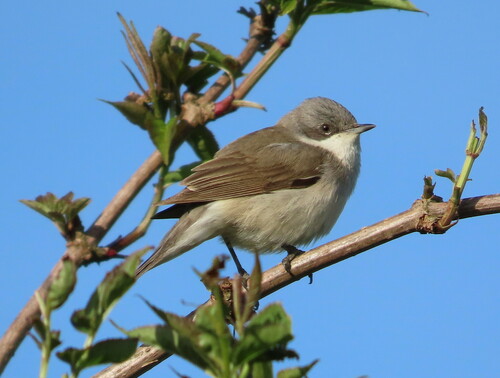 papa-amoras-cinzento
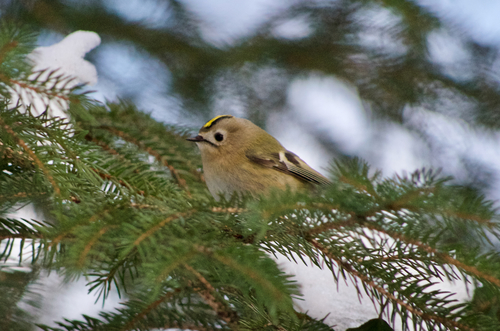 estrelinha-de-poupa
Em resumo
A marca de campo mais confiável para separar o papa-amoras-cinzento do estrelinha-de-poupa é a cabeça e o rosto: o papa-amoras-cinzento tem uma cabeça cinza com uma escura 'máscara de bandido' através dos olhos e uma garganta branca, enquanto o estrelinha-de-poupa apresenta um rosto simples com uma impressionante crista amarela (ou amarelo-laranja nos machos) no topo da cabeça, contornada por preto. Os estrelinhas-de-poupa juvenis não têm a crista colorida, mas ainda apresentam um rosto simples e duas faixas brancas ousadas nas asas, ao contrário do papa-amoras-cinzento. O estrelinha-de-poupa também é muito menor, com uma forma mais arredondada e compacta e um bico notavelmente mais curto e fino. Em voo ou empoleirado, as faixas de asa do estrelinha-de-poupa e a constante inquietação contrastam com o papa-amoras-cinzento, que é mais sutil e semelhante a um pisco. Ambos são pequenos, pássaros cantores ativos, mas sua estrutura, padrão de cabeça e marcas nas asas são distintas.
Dicas de identificação
- Padrão da cabeça: O papa-amoras-cinzento tem uma cabeça cinza com uma escura 'máscara de bandido' através do olho e uma garganta branca; o estrelinha-de-poupa tem um rosto simples com íris pretas e uma crista amarela brilhante (ou amarelo-laranja) contornada por preto nos adultos. Esta é a marca mais confiável para todas as idades.
- Crista: Os estrelinhas-de-poupa adultos apresentam uma crista amarela (laranja nos machos) contornada por preto; o papa-amoras-cinzento nunca apresenta qualquer cor na coroa ou crista. Os estrelinhas-de-poupa juvenis não têm a crista colorida, mas ainda têm um rosto simples.
- Faixas de asa: O estrelinha-de-poupa (todas as idades) tem duas faixas brancas ousadas nas asas; o papa-amoras-cinzento não tem faixas de asa. Isso é especialmente útil em voo ou quando as asas estão visíveis.
- Tamanho e estrutura: O estrelinha-de-poupa é muito menor e mais compacto, com uma cauda muito curta e um bico pequeno e semelhante a uma agulha. O papa-amoras-cinzento é ligeiramente maior, com uma cauda mais longa e uma forma e bico mais típicos de um pisco.
- Forma do bico: O bico do estrelinha-de-poupa é muito curto e fino, adequado para pegar insetos de agulhas; o papa-amoras-cinzento tem um bico de pisco mais longo e ligeiramente mais pesado.
- Cor das partes superiores: O estrelinha-de-poupa é verde-oliva por cima; o papa-amoras-cinzento é de costas cinzas. Em luz fraca, isso pode ser sutil, mas a diferença é clara em boas vistas.
- Partes inferiores: Ambos têm partes inferiores pálidas, mas as do estrelinha-de-poupa são brancas-amareladas, enquanto as do papa-amoras-cinzento são mais esbranquiçadas, muitas vezes com um contraste acentuado com a cabeça cinza e a garganta branca.
- Cauda: A cauda do estrelinha-de-poupa é muito curta e muitas vezes parece quase atarracada; o papa-amoras-cinzento tem uma cauda mais longa e mais pontuda, típica de pisco.
- Comportamento: O estrelinha-de-poupa está constantemente se movendo, muitas vezes pairando ou pendurado em galhos; o papa-amoras-cinzento se move de forma mais deliberada e raramente paira.
- Habitat: O estrelinha-de-poupa prefere coníferas e sempre-vivas densas; o papa-amoras-cinzento prefere arbustos abertos, cercas-vivas e bordas de florestas. Use o habitat como uma pista de apoio, não como uma marca primária.
- Voz: O canto do estrelinha-de-poupa é uma série alta e fina de notas; o do papa-amoras-cinzento é uma sequência rápida e ruidosa de 'tet' ou 'che'. Se você ouvir o canto, a identificação é direta.
- Sexo e idade: Ambas as espécies são sexualmente semelhantes, mas apenas o macho do estrelinha-de-poupa tem um centro laranja na crista; as fêmeas têm cristas totalmente amarelas. Os estrelinhas-de-poupa juvenis não têm a crista colorida, mas mantêm o rosto simples e as faixas de asa, nunca mostrando uma máscara ou contraste na garganta.
- Estilo de voo: O voo do estrelinha-de-poupa é zumbido e muitas vezes inclui mudanças abruptas de direção e pairar; o papa-amoras-cinzento voa de forma mais direta e raramente paira.
- Armadilhas comuns: O estrelinha-de-poupa juvenil pode ser confundido com um pisco sem graça devido à falta de cor na crista, mas o rosto simples e as faixas de asa estão sempre presentes. O papa-amoras-cinzento nunca mostra faixas de asa ou uma crista, mesmo em juvenis.
- Quando as marcas falham: Em luz fraca ou vistas rápidas, concentre-se na presença ou ausência de faixas de asa e no padrão da cabeça. Se apenas uma silhueta for vista, a forma pequena e arredondada do estrelinha-de-poupa e a cauda curta são distintas em comparação com o papa-amoras-cinzento mais alongado.
Tamanho
O estrelinha-de-poupa é o menor pássaro europeu, medindo 8,5–9,5 cm de comprimento com uma envergadura de 13,5–15,5 cm e pesando apenas 4,5–7,0 g [wikipedia]. O papa-amoras-cinzento é ligeiramente maior que o estrelinha-de-poupa (embora ainda seja um pequeno pisco), com um corpo mais alongado e cauda mais longa, mas é menor que o papa-amoras-comum. O estrelinha-de-poupa parece muito mais compacto, quase com corpo arredondado, com uma cauda muito curta e um bico pequeno e semelhante a uma agulha. No campo, o tamanho diminuto do estrelinha-de-poupa é frequentemente imediatamente aparente, especialmente quando visto ao lado de outros pássaros pequenos.
Plumagem
- Juvenil/primeiro inverno do estrelinha-de-poupa: Partes superiores de oliva mais apagadas, falta a crista colorida dos adultos, mas ainda mostra duas faixas brancas ousadas e um rosto simples. No primeiro inverno, os jovens estrelinhas-de-poupa são quase indistinguíveis dos adultos, exceto por tons ligeiramente mais apagados.
- Adulto do estrelinha-de-poupa: Partes superiores verde-oliva, partes inferiores brancas-amareladas, duas faixas brancas brilhantes, rosto simples com íris pretas e uma crista amarela brilhante (com centro laranja nos machos, toda amarela nas fêmeas) contornada por preto. A crista é frequentemente levantada em exibição. Sem máscara facial ou contraste na garganta.
- Papa-amoras-cinzento (todas as idades/sexos): Costas cinzas, partes inferiores esbranquiçadas, cabeça cinza com uma distinta 'máscara de bandido' escura através do olho e uma garganta branca. Falta faixas de asa e qualquer crista colorida. Sem manchas de asas castanhas. Os sexos são quase idênticos. O contraste entre a cabeça e a garganta é uma característica chave, assim como a ausência de qualquer padrão de asa ou cor na coroa.
Em resumo, o estrelinha-de-poupa sempre mostra faixas de asa e (nos adultos) uma crista colorida, enquanto o papa-amoras-cinzento mostra um rosto mascarado e garganta branca, mas sem faixas de asa ou crista.
Comportamento
O estrelinha-de-poupa é extremamente ativo, movendo-se constantemente através da folhagem, muitas vezes pairando, rastejando ao longo dos galhos e fazendo voos curtos e zumbidores com mudanças abruptas de direção. Frequentemente se alimenta correndo e batendo as asas, às vezes pendurado de cabeça para baixo. O papa-amoras-cinzento é um pisco ativo, mas se move de forma mais deliberada, tipicamente saltando através de arbustos e árvores baixas, raramente pairando. A inquietação do estrelinha-de-poupa e a preferência por coníferas ou folhagem densa contrastam com os movimentos mais metódicos e em nível de arbustos do papa-amoras-cinzento.
Habitat
O papa-amoras-cinzento se reproduz na Europa temperada (exceto no sudoeste) e em toda a parte ocidental e central do Paleártico, favorecendo arbustos, cercas-vivas e bordas de florestas abertas. É fortemente migratório, hibernando na África, Arábia e Índia. O estrelinha-de-poupa é amplamente distribuído pelo Paleártico, frequentemente encontrado em florestas de coníferas, florestas mistas, parques e jardins. Na Europa, o estrelinha-de-poupa é mais provável de ser encontrado em coníferas ou sempre-vivas densas, enquanto o papa-amoras-cinzento prefere habitats abertos e arbustivos. A sobreposição pode ocorrer durante a migração, mas a preferência de habitat é frequentemente uma pista útil.
Voz
O canto do papa-amoras-cinzento é uma sequência rápida e ruidosa de chamadas 'tet' ou 'che', bem diferente do estrelinha-de-poupa. O estrelinha-de-poupa canta uma série de notas altas e finas, de tom mais agudo e mais delicadas do que a maioria dos piscos. Seus chamados e cantos não são facilmente confundidos: o canto do estrelinha-de-poupa é uma repetição fina e aguda, enquanto o do papa-amoras-cinzento é mais áspero e ruidoso.
papa-amoras-cinzento · estrelinha-de-poupa · Minhas aves difíceis