

Bigiarella vs Regolo
Curruca curruca contro Regulus regulus
Fai un quiz con Bigiarella e Regolo
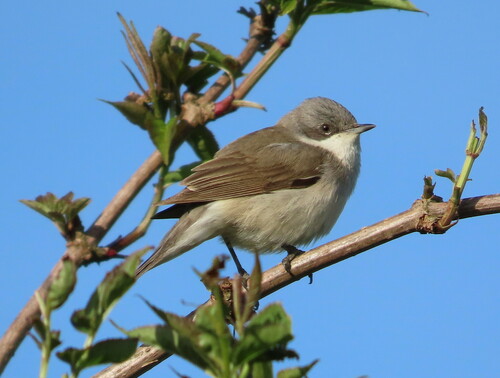 Bigiarella
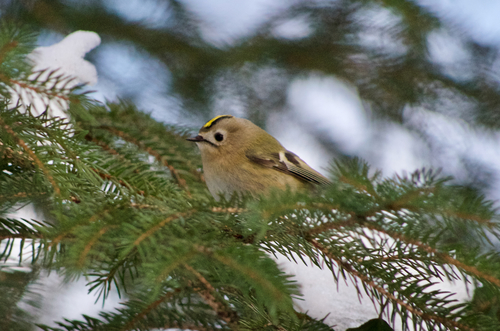 Regolo
In breve
Il segno di campo più affidabile per separare la Bigiarella dal Regolo è la testa e il viso: la Bigiarella ha una testa grigia con una scura 'maschera da bandito' attraverso gli occhi e una gola bianca, mentre il Regolo mostra un viso semplice con un sorprendente cresta gialla (o giallo-arancione nei maschi) sulla corona, bordata di nero. I giovani Regoli mancano della cresta colorata ma hanno comunque un viso semplice e due evidenti barre alari bianche, a differenza della Bigiarella. Il Regolo è anche molto più piccolo, con una forma più rotonda e compatta e un becco notevolmente più corto e fine. In volo o posato, le barre alari del Regolo e il suo costante nervosismo contrastano con la Bigiarella, più sobria e simile a un usignolo. Entrambi sono piccoli, attivi uccelli canori, ma la loro struttura, il motivo della testa e le marcature delle ali sono distinti.
Consigli di identificazione
- Head pattern: La Bigiarella ha una testa grigia con una scura 'maschera da bandito' attraverso l'occhio e una gola bianca; il Regolo ha un viso semplice con iridi nere e una brillante cresta gialla (o giallo-arancione) bordata di nero negli adulti. Questo è il segno più affidabile per tutte le età.
- Crest: I Regoli adulti mostrano una cresta gialla (arancione nei maschi) bordata di nero; la Bigiarella non mostra mai alcuna corona o cresta colorata. I giovani Regoli mancano della cresta colorata ma hanno comunque un viso semplice.
- Wingbars: Il Regolo (tutte le età) ha due evidenti barre alari bianche; la Bigiarella manca completamente di barre alari. Questo è particolarmente utile in volo o quando le ali sono visibili.
- Size and structure: Il Regolo è molto più piccolo e compatto, con una coda molto corta e un becco piccolo e simile a un ago. La Bigiarella è leggermente più grande, con una coda più lunga e una forma e un becco più tipici degli usignoli.
- Bill shape: Il becco del Regolo è molto corto e fine, adatto a raccogliere insetti dagli aghi; la Bigiarella ha un becco da usignolo più lungo e leggermente più pesante.
- Upperparts color: Il Regolo è verde oliva sopra; la Bigiarella ha il dorso grigio. In scarsa luce, questo può essere sottile, ma la differenza è chiara in buone viste.
- Underparts: Entrambi hanno parti inferiori chiare, ma quelle del Regolo sono bianco-buff, mentre quelle della Bigiarella sono più bianche, spesso con un forte contrasto rispetto alla testa grigia e alla gola bianca.
- Tail: La coda del Regolo è molto corta e spesso appare quasi tozza; la Bigiarella ha una coda più lunga e appuntita, tipica degli usignoli.
- Behavior: Il Regolo è costantemente in movimento, spesso sospeso o appeso ai rami; la Bigiarella si muove in modo più deliberato e raramente sospende.
- Habitat: Il Regolo favorisce le conifere e gli evergreens densi; la Bigiarella preferisce i cespugli aperti, le siepi e i margini dei boschi. Usa l'habitat come indizio di supporto, non come segno primario.
- Voice: Il canto del Regolo è una serie di note alte e sottili; quello della Bigiarella è una sequenza veloce e rattling di 'tet' o 'che'. Se senti il canto, l'identificazione è semplice.
- Sex and age: Entrambe le specie sono sessualmente simili, ma solo il maschio del Regolo ha un centro arancione nella cresta; le femmine hanno creste completamente gialle. I giovani Regoli mancano della cresta colorata ma mantengono il viso semplice e le barre alari, senza mai mostrare una maschera o un contrasto nella gola.
- Flight style: Il volo del Regolo è frusciante e spesso include cambiamenti bruschi di direzione e sospensione; la Bigiarella vola in modo più diretto e raramente sospende.
- Common pitfalls: I giovani Regoli possono essere scambiati per un usignolo opaco a causa della mancanza di colore nella cresta, ma il viso semplice e le barre alari sono sempre presenti. La Bigiarella non mostra mai barre alari o una cresta, nemmeno nei giovani.
- When marks fail: In scarsa luce o viste rapide, concentrati sulla presenza o assenza di barre alari e sul motivo della testa. Se si vede solo una silhouette, la forma piccola e rotonda del Regolo e la coda corta sono distintive rispetto alla Bigiarella, più allungata.
Taglia
Il Regolo è il più piccolo uccello europeo, misurando 8.5–9.5 cm di lunghezza con un'apertura alare di 13.5–15.5 cm e pesando solo 4.5–7.0 g [wikipedia]. La Bigiarella è leggermente più grande del Regolo (anche se è ancora un piccolo usignolo), con un corpo più allungato e una coda più lunga, ma è più piccola della Sterpazzola. Il Regolo appare molto più compatto, quasi rotondo, con una coda molto corta e un becco piccolo e simile a un ago. Sul campo, la dimensione diminutiva del Regolo è spesso immediatamente evidente, specialmente quando visto accanto ad altri piccoli uccelli.
Piumaggio
- Juvenile/first-winter Regolo: Parti superiori di oliva più opache, manca della cresta colorata degli adulti, ma mostra comunque due barre alari bianche evidenti e un viso semplice. Entro il primo inverno, i giovani Regoli sono quasi indistinguibili dagli adulti tranne che per toni leggermente più opachi.
- Adult Regolo: Parti superiori verde oliva, parti inferiori bianco-buff, due barre alari bianche brillanti, viso semplice con iridi nere e una brillante cresta gialla (con centro arancione nei maschi, completamente gialla nelle femmine) bordata di nero. La cresta è spesso sollevata in mostra. Nessuna maschera facciale o contrasto nella gola.
- Bigiarella (tutte le età/sessi): Dorso grigio, parti inferiori bianche, testa grigia con una distinta scura 'maschera da bandito' attraverso l'occhio e una gola bianca. Manca di barre alari e di qualsiasi cresta colorata. Nessuna macchia alare castagna. I sessi sono quasi identici. Il contrasto tra testa e gola è una caratteristica chiave, così come l'assenza di qualsiasi motivo alare o colore della corona.
In sintesi, il Regolo mostra sempre barre alari e (negli adulti) una cresta colorata, mentre la Bigiarella mostra un viso mascherato e una gola bianca ma nessuna barra alare o cresta.
Comportamento
Il Regolo è estremamente attivo, costantemente in movimento attraverso il fogliame, spesso sospeso, strisciando lungo i rami e facendo brevi voli fruscianti con cambiamenti bruschi di direzione. Si nutre frequentemente correndo e svolazzando, a volte appeso a testa in giù. La Bigiarella è un usignolo attivo ma si muove in modo più deliberato, tipicamente fluttuando attraverso cespugli e alberi bassi, raramente sospendendo. L'inquietudine del Regolo e la sua preferenza per le conifere o il fogliame denso contrastano con i movimenti più metodici e a livello di cespuglio della Bigiarella.
Habitat
La Bigiarella nidifica nell'Europa temperata (eccetto il sud-ovest) e in tutto il Palearctico occidentale e centrale, favorendo i cespugli, le siepi e i margini dei boschi aperti. È fortemente migratoria, svernando in Africa, Arabia e India. Il Regolo è diffuso in tutto il Palearctico, spesso trovato in boschi di conifere, foreste miste, parchi e giardini. In Europa, il Regolo è più probabile che si trovi in conifere o evergreens densi, mentre la Bigiarella preferisce habitat aperti e cespugliosi. Può verificarsi sovrapposizione durante la migrazione, ma la preferenza per l'habitat è spesso un indizio utile.
Voce
Il canto della Bigiarella è una sequenza veloce e rattling di chiamate 'tet' o 'che', molto diverso dal Regolo. Il Regolo canta una serie di note alte e sottili, più acute e più delicate rispetto alla maggior parte degli usignoli. Le loro chiamate e canti non sono facilmente confondibili: il canto del Regolo è una sottile ripetizione ad alta tonalità, mentre quello della Bigiarella è più duro e rattling.