

Curruca Zarcerilla vs Reyezuelo Sencillo
Curruca curruca frente a Regulus regulus
Juega un quiz con Curruca Zarcerilla y Reyezuelo Sencillo
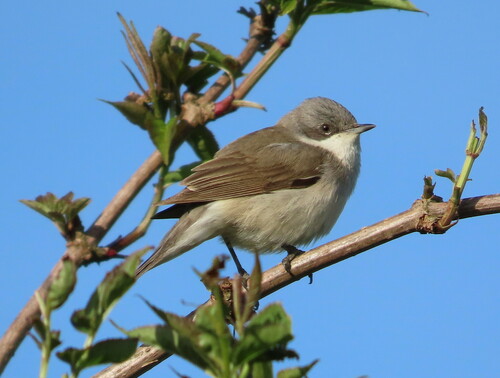 Curruca Zarcerilla
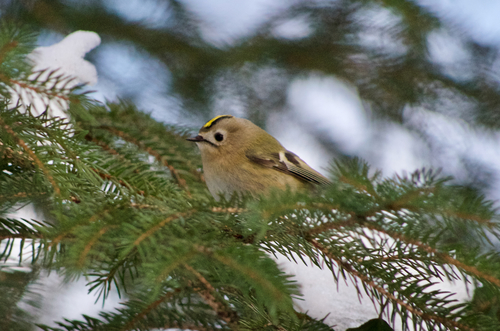 Reyezuelo Sencillo
En breve
La marca de campo más confiable para separar la Curruca Zarcerilla de el Reyezuelo Sencillo es la cabeza y la cara: la Curruca Zarcerilla tiene una cabeza gris con una oscura 'máscara de bandido' a través de los ojos y una garganta blanca, mientras que el Reyezuelo Sencillo muestra una cara simple con una llamativa cresta amarilla (o amarillo-naranja en los machos) en la corona, bordeada de negro. Los Reyezuelo Sencillos juveniles carecen de la cresta coloreada pero aún tienen una cara simple y dos bandas alares blancas audaces, a diferencia de la Curruca Zarcerilla. El Reyezuelo Sencillo también es mucho más pequeño, con una forma más redondeada y compacta y un pico notablemente más corto y fino. En vuelo o posado, las bandas alares del Reyezuelo Sencillo y su constante inquietud contrastan con la Curruca Zarcerilla, más sutil y similar a un cantautor. Ambos son pequeños y activos pájaros cantores, pero su estructura, patrón de cabeza y marcas alares son distintas.
Consejos de identificación
- Patrón de cabeza: La Curruca Zarcerilla tiene una cabeza gris con una oscura 'máscara de bandido' a través del ojo y una garganta blanca; el Reyezuelo Sencillo tiene una cara simple con iris negros y una brillante cresta amarilla (o amarillo-naranja) bordeada de negro en los adultos. Esta es la marca más confiable para todas las edades.
- Cresta: Los Reyezuelo Sencillos adultos muestran una cresta amarilla (naranja en los machos) bordeada de negro; la Curruca Zarcerilla nunca muestra ninguna corona o cresta coloreada. Los Reyezuelo Sencillos juveniles carecen de la cresta coloreada pero aún tienen una cara simple.
- Bandas alares: El Reyezuelo Sencillo (todas las edades) tiene dos bandas alares blancas audaces; la Curruca Zarcerilla carece completamente de bandas alares. Esto es especialmente útil en vuelo o cuando las alas son visibles.
- Tamaño y estructura: El Reyezuelo Sencillo es mucho más pequeño y compacto, con una cola muy corta y un pico diminuto y similar a una aguja. La Curruca Zarcerilla es ligeramente más grande, con una cola más larga y una forma y pico más típicos de un cantautor.
- Forma del pico: El pico del Reyezuelo Sencillo es muy corto y fino, adecuado para recoger insectos de las agujas; la Curruca Zarcerilla tiene un pico de cantautor más largo y ligeramente más pesado.
- Color de las partes superiores: El Reyezuelo Sencillo es de color verde oliva por encima; la Curruca Zarcerilla es de espalda gris. En luz pobre, esto puede ser sutil, pero la diferencia es clara en buenas vistas.
- Partes inferiores: Ambos tienen partes inferiores pálidas, pero las del Reyezuelo Sencillo son de color blanco amarillento, mientras que las de la Curruca Zarcerilla son más blanquecinas, a menudo con un fuerte contraste con la cabeza gris y la garganta blanca.
- Cola: La cola del Reyezuelo Sencillo es muy corta y a menudo parece casi rechoncha; la Curruca Zarcerilla tiene una cola más larga y puntiaguda, típica de los cantautores.
- Comportamiento: El Reyezuelo Sencillo está en constante movimiento, a menudo flotando o colgando de las ramas; la Curruca Zarcerilla se mueve de manera más deliberada y rara vez flota.
- Hábitat: El Reyezuelo Sencillo prefiere coníferas y siempreverdes densas; la Curruca Zarcerilla prefiere matorrales abiertos, setos y bordes de bosques. Usa el hábitat como una pista de apoyo, no como una marca primaria.
- Voz: La canción del Reyezuelo Sencillo es una serie de notas altas y delgadas; la de la Curruca Zarcerilla es una rápida y ruidosa secuencia de 'tet' o 'che'. Si escuchas la canción, la identificación es sencilla.
- Sexo y edad: Ambas especies son sexualmente similares, pero solo el macho Reyezuelo Sencillo tiene un centro naranja en la cresta; las hembras tienen crestas completamente amarillas. Los Reyezuelo Sencillos juveniles carecen de la cresta coloreada pero conservan la cara simple y las bandas alares, nunca mostrando una máscara o contraste en la garganta.
- Estilo de vuelo: El vuelo del Reyezuelo Sencillo es zumbante e incluye a menudo cambios bruscos de dirección y flotación; la Curruca Zarcerilla vuela de manera más directa y rara vez flota.
- Trampas comunes: El Reyezuelo Sencillo juvenil puede confundirse con un cantautor soso debido a la falta de color en la cresta, pero la cara simple y las bandas alares siempre están presentes. La Curruca Zarcerilla nunca muestra bandas alares o una cresta, incluso en juveniles.
- Cuando las marcas fallan: En luz pobre o vistas rápidas, concéntrate en la presencia o ausencia de bandas alares y el patrón de la cabeza. Si solo se ve una silueta, la pequeña y redonda forma del Reyezuelo Sencillo y su cola corta son distintivas en comparación con la más alargada Curruca Zarcerilla.
Tamaño
El Reyezuelo Sencillo es el pájaro europeo más pequeño, midiendo 8.5–9.5 cm de longitud con una envergadura de 13.5–15.5 cm y pesando solo 4.5–7.0 g [wikipedia]. La Curruca Zarcerilla es ligeramente más grande que el Reyezuelo Sencillo (aunque sigue siendo un pequeño cantautor), con un cuerpo más alargado y una cola más larga, pero es más pequeña que la Curruca Zarcera. El Reyezuelo Sencillo parece mucho más compacto, casi con forma redonda, con una cola muy corta y un pico diminuto y similar a una aguja. En el campo, el diminuto tamaño del Reyezuelo Sencillo es a menudo inmediatamente evidente, especialmente cuando se ve junto a otros pájaros pequeños.
Plumaje
- Reyezuelo Sencillo juvenil/primer invierno: Partes superiores de color oliva más apagado, carece de la cresta coloreada de los adultos, pero aún muestra dos bandas alares blancas audaces y una cara simple. Para el primer invierno, los jóvenes Reyezuelo Sencillos son casi indistinguibles de los adultos, excepto por tonos ligeramente más apagados.
- Reyezuelo Sencillo adulto: Partes superiores de color verde oliva, partes inferiores de color blanco amarillento, dos bandas alares blancas brillantes, cara simple con iris negros y una brillante cresta amarilla (con centro naranja en los machos, completamente amarilla en las hembras) bordeada de negro. La cresta a menudo se levanta en exhibición. Sin máscara facial ni contraste en la garganta.
- Curruca Zarcerilla (todas las edades/sexos): Espalda gris, partes inferiores blanquecinas, cabeza gris con una distintiva oscura 'máscara de bandido' a través del ojo y una garganta blanca. Carece de bandas alares y de cualquier cresta coloreada. Sin parches alares castaños. Los sexos son casi idénticos. El contraste entre la cabeza y la garganta es una característica clave, al igual que la ausencia de cualquier patrón alar o color en la corona.
En resumen, el Reyezuelo Sencillo siempre muestra bandas alares y (en adultos) una cresta coloreada, mientras que la Curruca Zarcerilla muestra una cara enmascarada y una garganta blanca, pero no tiene bandas alares ni cresta.
Comportamiento
El Reyezuelo Sencillo es extremadamente activo, moviéndose constantemente a través del follaje, a menudo flotando, arrastrándose por las ramas y haciendo vuelos cortos y zumbantes con cambios bruscos de dirección. Se alimenta frecuentemente corriendo y aleteando, a veces colgando boca abajo. La Curruca Zarcerilla es un cantautor activo pero se mueve de manera más deliberada, típicamente saltando a través de arbustos y árboles bajos, rara vez flotando. La inquietud del Reyezuelo Sencillo y su preferencia por coníferas o follaje denso contrastan con los movimientos más metódicos y a nivel de arbustos de la Curruca Zarcerilla.
Hábitat
La Curruca Zarcerilla cría en Europa templada (excepto el suroeste) y a través del Paleártico occidental y central, favoreciendo matorrales, setos y bordes de bosques abiertos. Es fuertemente migratoria, invernando en África, Arabia e India. El Reyezuelo Sencillo está ampliamente distribuido por el Paleártico, a menudo encontrado en bosques de coníferas, bosques mixtos, parques y jardines. En Europa, el Reyezuelo Sencillo es más probable que se encuentre en coníferas o siempreverdes densas, mientras que la Curruca Zarcerilla prefiere hábitats abiertos y arbustivos. Puede haber superposición en migración, pero la preferencia de hábitat es a menudo una pista útil.
Voz
La canción de la Curruca Zarcerilla es una rápida y ruidosa secuencia de llamadas 'tet' o 'che', bastante diferente de la del Reyezuelo Sencillo. El Reyezuelo Sencillo canta una serie de notas altas y delgadas, de tono más agudo y más delicadas que la mayoría de los cantautores. Sus llamadas y canciones no se confunden fácilmente: la canción del Reyezuelo Sencillo es una delgada repetición de tono alto, mientras que la de la Curruca Zarcerilla es más áspera y ruidosa.
Curruca Zarcerilla · Reyezuelo Sencillo · Mis aves difíciles