

galah vs sulphur-crested cockatoo
Eolophus roseicapilla versus Cacatua galerita
Jogue um quiz com galah e sulphur-crested cockatoo
 galah
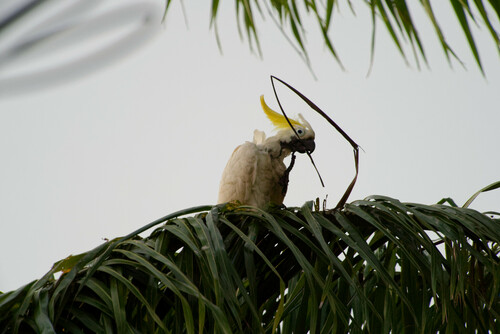 sulphur-crested cockatoo
Em resumo
A maneira mais confiável de separar o Galah do sulphur-crested cockatoo em campo é pela cor geral da plumagem: o Galah é distintamente rosa e cinza, enquanto o sulphur-crested cockatoo é totalmente branco com uma crista amarela. Esse contraste se mantém em todas as idades e em voo ou empoleirado. Os juvenis de Galah podem parecer mais apagados e cinzentos, mas nunca se aproximam da aparência totalmente branca do sulphur-crested cockatoo. Estruturalmente, o sulphur-crested é maior e mais pesado, com uma crista amarela proeminente, enquanto o Galah tem uma construção mais curta e leve e uma crista rosa pálido. Ambas as espécies podem ser vistas juntas em habitats australianos abertos, mas sua coloração e tamanho tornam a confusão breve com binóculos.
Dicas de identificação
- Cor geral: O Galah é sempre rosa e cinza; o sulphur-crested cockatoo é sempre branco com uma crista amarela. Esta é a marca de campo mais rápida e confiável para todas as idades e estações.
- Cor e forma da crista: O Galah tem uma crista curta e rosa clara; o sulphur-crested tem uma crista longa e expressiva amarela que é frequentemente levantada. Se você ver uma crista amarela, nunca é um Galah.
- Cor do bico: O bico do Galah é de cor osso pálido; o do sulphur-crested é preto. Isso é visível a curta distância ou com boas ópticas.
- Tamanho: O sulphur-crested é muito maior e mais pesado que o Galah. Se o pássaro parecer grande e imponente, especialmente ao lado de outros cacatuas, é provável que seja um sulphur-crested.
- Perfil de voo: O sulphur-crested cockatoo voa com batidas de asas lentas e profundas e parece pesado; o Galah é mais rápido e ágil em voo.
- Cor da parte inferior da asa: O sulphur-crested apresenta partes inferiores das asas e cauda amareladas; a parte inferior da asa do Galah é cinza, nunca amarela ou branca.
- Confusão juvenil: Os jovens Galahs são mais apagados, mas ainda mostram rosa e cinza; eles nunca aparecem brancos. O juvenil sulphur-crested é branco desde o início.
- Cor dos olhos: Ambas as espécies têm sutis diferenças sexuais na cor da íris (machos mais escuros, fêmeas mais marrons ou avermelhadas), mas isso raramente é útil em campo.
- Cor das pernas: Ambas têm pernas cinzas, não sendo uma separação útil.
- Voz: O chamado do sulphur-crested é um grito alto e áspero; o do Galah é mais agudo e nasal. Se você ouvir um grito penetrante, pense em sulphur-crested.
- Sobreposição de habitat: Ambas podem ocorrer juntas em áreas abertas, parques e subúrbios, então não confie apenas no habitat.
- Postura empoleirada: O sulphur-crested frequentemente parece ter uma cabeça maior e mais ereta; o Galah é mais compacto e arredondado.
- Confusão híbrida: O Galah pode hibridizar com o sulphur-crested, mas híbridos são raros e mostram características intermediárias; se você ver um pássaro com rosa e branco/amarelo, considere essa possibilidade, mas pássaros puros são fáceis de separar.
- Comportamento alimentar: Ambas forrageiam no chão, mas o sulphur-crested é mais propenso a ser visto manipulando objetos ou agindo como um sentinela.
- Identidade equivocada: Não confunda o sulphur-crested com corellas (que são menores, não têm crista amarela e têm bicos pálidos) ou com o cacatua Major Mitchell (que é mais rosa e branco, não cinza). O Galah é único em sua combinação de rosa e cinza.
Tamanho
O sulphur-crested cockatoo é significativamente maior, medindo 44–55 cm de comprimento e pesando mais que o Galah, que tem cerca de 35 cm de comprimento e 270–350 g de massa [wikipedia][avonet]. Em campo, o sulphur-crested parece mais volumoso e com cauda mais longa, com um bico mais pesado e cabeça maior. O Galah é mais compacto e leve em geral, com uma cauda mais curta e cabeça menor. Essas diferenças de tamanho são mais óbvias quando ambas as espécies são vistas juntas, mas mesmo individualmente, o tamanho e a presença do sulphur-crested são notáveis.
Plumagem
- Juvenis: Os jovens Galahs são mais apagados que os adultos, com um peito, coroa e crista mais cinzentos, mas ainda retêm um rosto rosa e partes inferiores com costas e asas cinzas. Eles nunca aparecem totalmente brancos. Os juvenis de sulphur-crested cockatoos são brancos em geral com partes inferiores das asas e crista amareladas, sem qualquer tom rosa ou cinza em qualquer idade.
- Adultos: Os adultos de Galah mostram um rosto, peito e crista rosa brilhante, com costas, asas e rabo cinza pálido. A crista é rosa clara e móvel. Os sulphur-crested cockatoos são brancos puros com uma crista amarela brilhante e expressiva e um tom amarelado na parte inferior das asas e cauda. Seu bico é preto, contrastando com o bico de cor osso do Galah. A cor dos olhos pode diferir por sexo em ambas as espécies, mas é sutil e não confiável em campo.
- Em voo: A parte superior da asa do Galah é cinza, combinando com as costas, sem branco ou amarelo. O sulphur-crested mostra asas brancas com tons amarelos abaixo, e a crista amarela pode ser visível se levantada. Não há padrões complexos nas asas de nenhuma das espécies que causariam confusão em voo.
Comportamento
Ambas as espécies são sociais e frequentemente vistas em bandos, às vezes juntas. Os sulphur-crested cockatoos são altamente inteligentes e podem ser vistos manipulando objetos, abrindo lixeiras ou agindo como sentinelas enquanto outros se alimentam. Os Galahs também são gregários e adaptáveis, mas são menos propensos a exibir o mesmo nível de manipulação de objetos. Em voo, os sulphur-crested cockatoos parecem mais pesados e poderosos, com batidas de asas mais lentas e profundas, enquanto os Galahs são mais rápidos e ágeis. Ambas as espécies se empoleiram de forma conspícua e forrageiam no chão ou em árvores.
Habitat
Ambas as espécies são amplamente distribuídas na Austrália e se adaptaram bem a paisagens alteradas pelo homem, frequentemente vistas em parques urbanos, terras agrícolas e florestas abertas. O sulphur-crested cockatoo também ocorre na Nova Guiné e partes da Indonésia, enquanto o Galah é endêmico da Austrália continental. O Galah é mais abundante em habitats abertos com árvores dispersas, enquanto o sulphur-crested prefere áreas arborizadas, mas também é comum em cidades e subúrbios. Ambas evitam florestas densas e úmidas.
Voz
O sulphur-crested cockatoo é famoso por seus gritos e gritos altos e ruidosos, que se espalham por longas distâncias e são frequentemente ouvidos antes que o pássaro seja visto. Os chamados do Galah também são altos, mas são mais agudos, mais nasais e menos ásperos que os do sulphur-crested. Ambas podem ser barulhentas em bandos, mas o chamado do sulphur-crested é mais penetrante e irritante, enquanto o do Galah é mais conversacional e tagarela.