

Cacatúa Galah vs Cacatúa Galerita
Eolophus roseicapilla frente a Cacatua galerita
Juega un quiz con Cacatúa Galah y Cacatúa Galerita
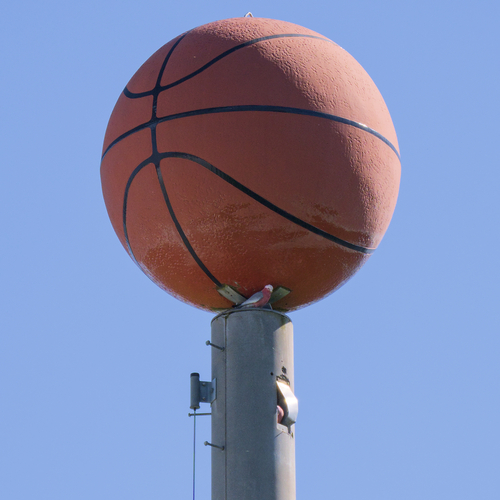 Cacatúa Galah
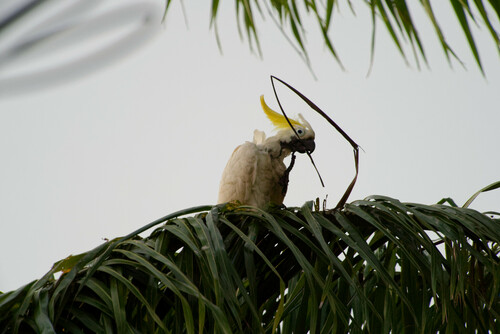 Cacatúa Galerita
En breve
La forma más confiable de separar la Cacatúa Cacatúa Cacatúa Galah de la Cacatúa Galerita en el campo es por el color general del plumaje: la Cacatúa Cacatúa Cacatúa Galah es distintivamente rosa y gris, mientras que la Cacatúa Galerita es completamente blanca con una cresta amarilla. Este contraste se mantiene en todas las edades y en vuelo o posada. Las Cacatúas Cacatúa Cacatúa Galah juveniles pueden parecer más apagadas y grises, pero nunca se acercan al aspecto completamente blanco de la Cacatúa Galerita. Estructuralmente, la Cacatúa Galerita es más grande y pesada, con una prominente cresta amarilla, mientras que la Cacatúa Cacatúa Cacatúa Galah tiene una construcción más corta y ligera y una cresta rosa pálido. Ambas especies pueden verse juntas en hábitats australianos abiertos, pero su coloración y tamaño hacen que la confusión sea breve con binoculares.
Consejos de identificación
- Color general: La Cacatúa Cacatúa Cacatúa Galah es siempre rosa y gris; la Cacatúa Galerita es siempre blanca con una cresta amarilla. Esta es la marca de campo más rápida y confiable para todas las edades y estaciones.
- Color y forma de la cresta: La Cacatúa Cacatúa Cacatúa Galah tiene una cresta corta y rosa clara; la Cacatúa Galerita tiene una larga y expresiva cresta amarilla que a menudo está levantada. Si ves una cresta amarilla, nunca es una Cacatúa Cacatúa Cacatúa Galah.
- Color del pico: El pico de la Cacatúa Cacatúa Cacatúa Galah es de color hueso pálido; el de la Cacatúa Galerita es negro. Esto es visible a corta distancia o con buenos ópticos.
- Tamaño: La Cacatúa Galerita es mucho más grande y pesada que la Cacatúa Cacatúa Cacatúa Galah. Si el pájaro parece grande e imponente, especialmente junto a otras cacatúas, es probable que sea una Cacatúa Galerita.
- Perfil de vuelo: La Cacatúa Galerita vuela con aleteos lentos y profundos y parece pesada; la Cacatúa Cacatúa Cacatúa Galah es más rápida y ágil en vuelo.
- Color del ala inferior: La Cacatúa Galerita muestra alas inferiores y cola inferiores amarillentas; el ala inferior de la Cacatúa Cacatúa Cacatúa Galah es gris, nunca amarilla o blanca.
- Confusión juvenil: Las Cacatúas Cacatúa Cacatúa Galah jóvenes son más apagadas pero aún muestran rosa y gris; nunca parecen blancas. La Cacatúa Galerita juvenil es blanca desde el principio.
- Color de los ojos: Ambas especies tienen diferencias sutiles de sexo en el color del iris (machos más oscuros, hembras más marrones o rojizas), pero esto rara vez es útil en el campo.
- Color de las patas: Ambas tienen patas grises, no es una separación útil.
- Voz: El llamado de la Cacatúa Galerita es un grito fuerte y áspero; el de la Cacatúa Cacatúa Cacatúa Galah es más agudo y más nasal. Si oyes un grito penetrante, piensa en la Cacatúa Galerita.
- Superposición de hábitat: Ambas pueden ocurrir juntas en campos abiertos, parques y suburbios, así que no confíes solo en el hábitat.
- Postura posada: La Cacatúa Galerita a menudo parece tener una cabeza más grande y más erguida; la Cacatúa Cacatúa Cacatúa Galah es más compacta y redondeada.
- Confusión híbrida: La Cacatúa Cacatúa Cacatúa Galah puede hibridarse con la Cacatúa Galerita, pero los híbridos son raros y muestran características intermedias; si ves un pájaro con rosa y blanco/amarillo, considera esta posibilidad, pero los pájaros puros son fáciles de separar.
- Comportamiento alimenticio: Ambas forrajean en el suelo, pero la Cacatúa Galerita es más propensa a ser vista manipulando objetos o actuando como centinela.
- Identidad equivocada: No confundas la Cacatúa Galerita con corellas (que son más pequeñas, carecen de cresta amarilla y tienen picos pálidos) o con la Cacatúa de Major Mitchell (que es más rosa y blanca, no gris). La Cacatúa Cacatúa Cacatúa Galah es única en su combinación de rosa y gris.
Tamaño
La Cacatúa Galerita es significativamente más grande, midiendo 44–55 cm de longitud y pesando más que la Cacatúa Cacatúa Cacatúa Galah, que mide aproximadamente 35 cm de largo y 270–350 g de masa [wikipedia][avonet]. En el campo, la Cacatúa Galerita parece más robusta y de cola más larga, con un pico más pesado y una cabeza más grande. La Cacatúa Cacatúa Cacatúa Galah es más compacta y ligera en general, con una cola más corta y una cabeza más pequeña. Estas diferencias de tamaño son más obvias cuando ambas especies se ven juntas, pero incluso individualmente, el tamaño y la presencia de la Cacatúa Galerita son notables.
Plumaje
- Juveniles: Las Cacatúas Cacatúa Cacatúa Galah jóvenes son más apagadas que los adultos, con un pecho, corona y cresta más grises, pero aún retienen una cara rosa y partes inferiores con un dorso y alas grises. Nunca parecen completamente blancas. Las Cacatúas Galerita juveniles son completamente blancas con alas inferiores y cresta amarillentas, careciendo de cualquier tono rosa o gris a cualquier edad.
- Adultos: Las Cacatúas Cacatúa Cacatúa Galah adultas muestran una cara, pecho y cresta rosa brillante, con un dorso, alas y rabadilla gris pálido. La cresta es rosa clara y móvil. Las Cacatúas Galerita son completamente blancas con una cresta amarilla brillante y expresiva y un lavado amarillento en las alas inferiores y cola. Su pico es negro, contrastando con el pico de color hueso de la Cacatúa Cacatúa Cacatúa Galah. El color de los ojos puede diferir por sexo en ambas especies, pero es sutil y no confiable en el campo.
- En vuelo: El ala superior de la Cacatúa Cacatúa Cacatúa Galah es gris, coincidiendo con el dorso, sin blanco o amarillo. La Cacatúa Galerita muestra alas blancas con matices amarillos por debajo, y la cresta amarilla puede ser visible si está levantada. No hay patrones complejos en las alas de ninguna de las especies que causen confusión en vuelo.
Comportamiento
Ambas especies son sociales y a menudo se ven en bandadas, a veces juntas. Las Cacatúas Galerita son altamente inteligentes y pueden ser vistas manipulando objetos, abriendo contenedores o actuando como centinelas mientras otros se alimentan. Las Cacatúas Cacatúa Cacatúa Galah también son gregarias y adaptables, pero son menos propensas a mostrar el mismo nivel de manipulación de objetos. En vuelo, las Cacatúas Galerita parecen más pesadas y poderosas, con aleteos más lentos y profundos, mientras que las Cacatúas Cacatúa Cacatúa Galah son más rápidas y ágiles. Ambas especies se posan de manera conspicua y forrajean en el suelo o en los árboles.
Hábitat
Ambas especies están ampliamente distribuidas en Australia y se han adaptado bien a paisajes alterados por humanos, a menudo vistas en parques urbanos, tierras agrícolas y bosques abiertos. La Cacatúa Galerita también se encuentra en Nueva Guinea y partes de Indonesia, mientras que la Cacatúa Cacatúa Cacatúa Galah es endémica del continente australiano. La Cacatúa Cacatúa Cacatúa Galah es más abundante en hábitats abiertos con árboles dispersos, mientras que la Cacatúa Galerita prefiere áreas boscosas pero también es común en ciudades y suburbios. Ambas evitan bosques densos y húmedos.
Voz
La Cacatúa Galerita es famosa por sus fuertes y ruidosos gritos y chillidos, que se escuchan a largas distancias y a menudo se oyen antes de ver al pájaro. Los llamados de la Cacatúa Cacatúa Cacatúa Galah también son fuertes pero son más agudos, más nasales y menos ásperos que los de la Cacatúa Galerita. Ambas pueden ser ruidosas en bandadas, pero el llamado de la Cacatúa Galerita es más penetrante y chirriante, mientras que el de la Cacatúa Cacatúa Cacatúa Galah es más parlante y conversacional.