

Motmot

モモイロインコ 対 キバタン

Eolophus roseicapilla 対 Cacatua galerita

モモイロインコとキバタンのクイズ
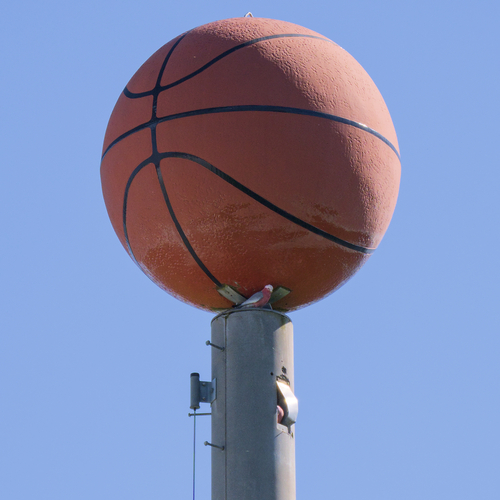
モモイロインコ (Eolophus roseicapilla) モモイロインコ
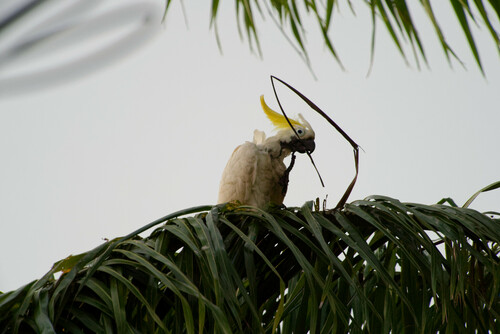
キバタン (Cacatua galerita) キバタン

メディア

読み込み中…

要点

フィールドでモモイロインコとキバタンを区別する最も信頼できる方法は、全体の羽色によるものです:モモイロインコは明確にピンクと灰色で、キバタンは全体が白く、黄色の冠を持っています。このコントラストはすべての年齢において、飛んでいるときや止まっているときにも当てはまります。若いモモイロインコはより鈍く灰色に見えることがありますが、キバタンの全白の外観には決して近づきません。構造的には、キバタンはより大きく重く、目立つ黄色の冠を持ち、モモイロインコはより短く軽い体型で淡いピンクの冠を持っています。両種はオーストラリアの開けた生息地で一緒に見られることがありますが、彼らの色合いとサイズは双眼鏡での混同を短時間にします。

識別のコツ

  1. 全体の色: モモイロインコは常にピンクと灰色で、キバタンは常に白く、黄色の冠を持っています。これはすべての年齢と季節において最も速く、最も信頼できるフィールドマークです。
  2. 冠の色と形: モモイロインコは淡いピンクの短い冠を持ち、キバタンは長く表現豊かな黄色の冠を持ち、しばしば立ち上がっています。黄色の冠を見たら、それは決してモモイロインコではありません。
  3. くちばしの色: モモイロインコのくちばしは淡い骨色で、キバタンのくちばしは黒です。これは近距離または良好な光学機器で見ることができます。
  4. サイズ: キバタンはモモイロインコよりもはるかに大きく重いです。特に他のオウムの隣で大きく威圧的に見える場合、それはおそらくキバタンです。
  5. 飛行プロファイル: キバタンは遅く深い羽ばたきで飛び、重そうに見えますが、モモイロインコは飛行中はより速く、より敏捷です。
  6. 翼の下の色: キバタンは黄色がかった翼の下と尾を示し、モモイロインコの翼の下は灰色で、決して黄色や白ではありません。
  7. 幼鳥の混同: 若いモモイロインコは鈍く見えますが、依然としてピンクと灰色を示し、決して白には見えません。幼鳥のキバタンは最初から白です。
  8. 目の色: 両種は虹彩の色に微妙な性差があります(オスは暗く、メスは茶色または赤みを帯びています)が、これはフィールドではあまり役に立ちません。
  9. 脚の色: 両種とも灰色の脚を持ち、これは有用な区別ではありません。
  10. 声: キバタンの鳴き声は大きく、厳しい叫び声で、モモイロインコの声はより高音で鼻にかかったものです。鋭い叫び声を聞いたら、キバタンを考えてください。
  11. 生息地の重複: 両種は開けた国、公園、郊外で一緒に見られることがあるため、生息地だけに頼らないでください。
  12. 止まっている姿勢: キバタンはしばしば頭が大きく、より直立しているように見え、モモイロインコはよりコンパクトで丸みを帯びています。
  13. ハイブリッドの混同: モモイロインコはキバタンと交雑することがありますが、ハイブリッドは稀で中間的な特徴を示します。ピンクと白/黄色の鳥を見たら、この可能性を考慮してくださいが、純粋な鳥は簡単に区別できます。
  14. 採餌行動: 両種は地面で採餌しますが、キバタンは物を操作したり、見張り役として行動するのがより一般的です。
  15. 誤認識: キバタンをコレラ(より小さく、黄色の冠がなく、淡いくちばしを持つ)やメジャーミッチェルのオウム(よりピンクと白で、灰色ではない)と混同しないでください。モモイロインコはそのピンクと灰色の組み合わせでユニークです。

大きさ

キバタンはかなり大きく、長さ44〜55 cm、モモイロインコは約35 cmで、質量は270〜350 gです [wikipedia][avonet]。フィールドでは、キバタンはより大きく、尾が長く、くちばしが重く、頭が大きく見えます。モモイロインコは全体的によりコンパクトで軽く、尾が短く、頭が小さいです。これらのサイズの違いは、両種が一緒に見られるときに最も明らかですが、単独でもキバタンのサイズと存在感は目立ちます。

羽色

行動

両種は社交的で、しばしば群れで見られ、時には一緒にいます。キバタンは非常に知能が高く、物を操作したり、ゴミ箱を開けたり、他の鳥が餌を食べている間に見張り役として行動するのが見られます。モモイロインコも群れを作り、適応力がありますが、同じレベルの物の操作を示すことは少ないです。飛行中、キバタンはより重く、より力強く見え、遅く深い羽ばたきを持ち、モモイロインコはより速く、より敏捷です。両種は目立つように止まり、地面や木の中で採餌します。

生息環境

両種はオーストラリア全土に広がっており、人間によって変化した風景にうまく適応しており、都市の公園、農地、開けた森林でよく見られます。キバタンはニューギニアやインドネシアの一部にも生息していますが、モモイロインコはオーストラリア本土に特有です。モモイロインコは散在する木々のある開けた生息地でより豊富に見られ、キバタンは森林のある地域を好みますが、都市や郊外でも一般的です。両種は密集した湿った森林を避けます。

声

キバタンはその大きく、騒々しい叫び声や鳴き声で有名で、長距離にわたって響き渡り、鳥が見える前にしばしば聞こえます。モモイロインコの鳴き声も大きいですが、より高音で、鼻にかかり、キバタンよりも厳しくありません。両種は群れで騒がしいことがありますが、キバタンの鳴き声はより鋭く、耳障りで、モモイロインコの鳴き声はよりおしゃべりで会話的です。

より良い説明を送る

比較と同じ項目を使ってください。文章はすぐに公開されます。

The most reliable way to separate Galah from Sulphur-crested Cockatoo in the field is by overall plumage color: Galah is distinctly pink and grey, while Sulphur-crested Cockatoo is entirely white with a yellow crest. This contrast holds for all ages and in flight or perched. Juvenile Galahs can appear duller and greyer, but never approach the all-white look of Sulphur-crested Cockatoo. Structurally, Sulphur-crested is larger and heavier, with a prominent yellow crest, while Galah has a shorter, lighter build and a pale pink crest. Both species may be seen together in open Australian habitats, but their coloration and size make confusion brief with binoculars.

  1. Overall color: Galah is always pink and grey; Sulphur-crested Cockatoo is always white with a yellow crest. This is the fastest and most reliable field mark for all ages and seasons.
  2. Crest color and shape: Galah has a light pink, shorter crest; Sulphur-crested has a long, expressive yellow crest that is often raised. If you see a yellow crest, it's never a Galah.
  3. Bill color: Galah's bill is pale bone-colored; Sulphur-crested's is black. This is visible at close range or with good optics.
  4. Size: Sulphur-crested is much larger and heavier than Galah. If the bird looks big and imposing, especially next to other cockatoos, it's likely Sulphur-crested.
  5. Flight profile: Sulphur-crested Cockatoo flies with slow, deep wingbeats and appears heavy; Galah is quicker and more agile in flight.
  6. Underwing color: Sulphur-crested shows yellowish underwings and undertail; Galah's underwing is grey, never yellow or white.
  7. Juvenile confusion: Young Galahs are duller but still show pink and grey; they never appear white. Juvenile Sulphur-crested is white from the start.
  8. Eye color: Both species have subtle sex differences in iris color (males darker, females browner or reddish), but this is rarely useful in the field.
  9. Leg color: Both have grey legs, not a useful separation.
  10. Voice: Sulphur-crested's call is a loud, harsh screech; Galah's is higher-pitched and more nasal. If you hear a piercing scream, think Sulphur-crested.
  11. Habitat overlap: Both can occur together in open country, parks, and suburbs, so do not rely on habitat alone.
  12. Perched posture: Sulphur-crested often appears larger-headed and more upright; Galah is more compact and rounded.
  13. Hybrid confusion: Galah can hybridize with Sulphur-crested, but hybrids are rare and show intermediate features; if you see a bird with pink and white/yellow, consider this possibility, but pure birds are easy to separate.
  14. Feeding behavior: Both forage on the ground, but Sulphur-crested is more likely to be seen manipulating objects or acting as a sentinel.
  15. Mistaken identity: Do not confuse Sulphur-crested with corellas (which are smaller, lack yellow crest, and have pale bills) or with Major Mitchell's Cockatoo (which is more pink and white, not grey). Galah is unique in its pink and grey combination.

Sulphur-crested Cockatoo is significantly larger, measuring 44–55 cm in length and weighing more than Galah, which is about 35 cm long and 270–350 g in mass [wikipedia][avonet]. In the field, Sulphur-crested appears bulkier and longer-tailed, with a heavier bill and larger head. Galah is more compact and lighter overall, with a shorter tail and smaller head. These size differences are most obvious when both species are seen together, but even singly, the Sulphur-crested's size and presence are notable.

  • Juveniles: Young Galahs are duller than adults, with a greyer breast, crown, and crest, but still retain a pink face and underparts with a grey back and wings. They never appear all-white. Juvenile Sulphur-crested Cockatoos are white overall with yellowish underwings and crest, lacking any pink or grey tones at any age.
  • Adults: Adult Galahs show a bright pink face, breast, and crest, with pale grey back, wings, and rump. The crest is light pink and mobile. Sulphur-crested Cockatoos are pure white with a bright yellow, expressive crest and yellowish wash to the underwing and undertail. Their bill is black, contrasting with the Galah's bone-colored bill. Eye color can differ by sex in both species but is subtle and not reliable in the field.
  • In flight: The Galah's upperwing is grey, matching the back, with no white or yellow. Sulphur-crested shows white wings with yellow tinges below, and the yellow crest may be visible if raised. There are no complex wing patterns in either species that would cause confusion in flight.

Both species are social and often seen in flocks, sometimes together. Sulphur-crested Cockatoos are highly intelligent and can be seen manipulating objects, opening bins, or acting as sentinels while others feed. Galahs are also gregarious and adaptable but are less likely to display the same level of object manipulation. In flight, Sulphur-crested Cockatoos appear heavier and more powerful, with slower, deeper wingbeats, while Galahs are quicker and more agile. Both species perch conspicuously and forage on the ground or in trees.

Both species are widespread in Australia and have adapted well to human-altered landscapes, often seen in urban parks, farmland, and open woodland. Sulphur-crested Cockatoo also occurs in New Guinea and parts of Indonesia, while Galah is endemic to mainland Australia. Galah is more abundant in open habitats with scattered trees, while Sulphur-crested prefers wooded areas but is also common in cities and suburbs. Both avoid dense, wet forests.

Sulphur-crested Cockatoo is famous for its loud, raucous screeches and squawks, which carry over long distances and are often heard before the bird is seen. Galah calls are also loud but are higher-pitched, more nasal, and less harsh than Sulphur-crested. Both can be noisy in flocks, but the Sulphur-crested's call is more piercing and grating, while Galah's is more chattering and conversational.

変更を破棄しますか?

保存していない編集があります。今離れると失われます。

モモイロインコ · キバタン · 苦手な鳥