

Galah vs Sulphur-crested Cockatoo
Eolophus roseicapilla contro Cacatua galerita
Fai un quiz con Galah e Sulphur-crested Cockatoo
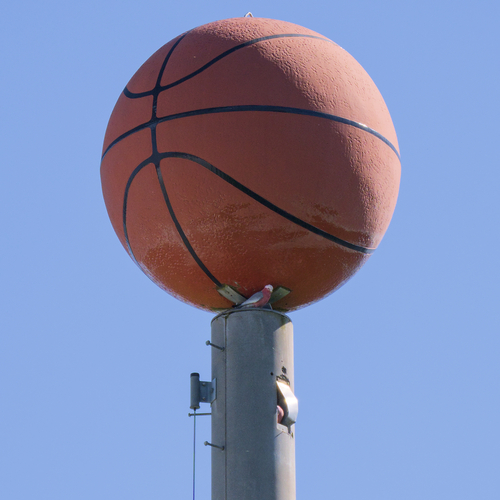 Galah
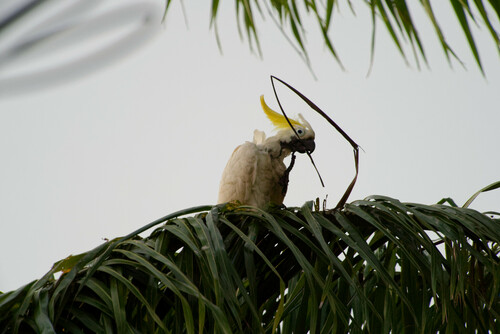 Sulphur-crested Cockatoo
In breve
Il modo più affidabile per separare il Galah dal Sulphur-crested Cockatoo sul campo è il colore generale del piumaggio: il Galah è distintamente rosa e grigio, mentre il Sulphur-crested Cockatoo è completamente bianco con una cresta gialla. Questo contrasto è valido per tutte le età e in volo o posato. I giovani Galah possono apparire più opachi e grigi, ma non si avvicinano mai all'aspetto completamente bianco del Sulphur-crested Cockatoo. Strutturalmente, il Sulphur-crested è più grande e pesante, con una prominente cresta gialla, mentre il Galah ha una struttura più corta e leggera e una cresta rosa pallido. Entrambe le specie possono essere viste insieme in habitat australiani aperti, ma il loro colore e dimensione rendono la confusione breve con i binocoli.
Consigli di identificazione
- Overall color: Il Galah è sempre rosa e grigio; il Sulphur-crested Cockatoo è sempre bianco con una cresta gialla. Questo è il segno di campo più veloce e affidabile per tutte le età e stagioni.
- Crest color and shape: Il Galah ha una cresta rosa chiaro, più corta; il Sulphur-crested ha una lunga cresta gialla espressiva che è spesso sollevata. Se vedi una cresta gialla, non è mai un Galah.
- Bill color: Il becco del Galah è di colore osseo pallido; quello del Sulphur-crested è nero. Questo è visibile da vicino o con buone ottiche.
- Size: Il Sulphur-crested è molto più grande e pesante del Galah. Se l'uccello appare grande e imponente, specialmente accanto ad altri cacatua, è probabile che sia un Sulphur-crested.
- Flight profile: Il Sulphur-crested Cockatoo vola con battiti d'ala lenti e profondi e appare pesante; il Galah è più veloce e più agile in volo.
- Underwing color: Il Sulphur-crested mostra ali inferiori e sottocoda giallastre; l'ala inferiore del Galah è grigia, mai gialla o bianca.
- Juvenile confusion: I giovani Galah sono più opachi ma mostrano ancora rosa e grigio; non appaiono mai bianchi. Il giovane Sulphur-crested è bianco fin dall'inizio.
- Eye color: Entrambe le specie hanno sottili differenze sessuali nel colore dell'iride (maschi più scuri, femmine più marroni o rossastre), ma questo è raramente utile sul campo.
- Leg color: Entrambi hanno zampe grigie, non è una separazione utile.
- Voice: Il richiamo del Sulphur-crested è un forte e aspro strido; quello del Galah è più acuto e più nasale. Se senti un urlo penetrante, pensa al Sulphur-crested.
- Habitat overlap: Entrambi possono verificarsi insieme in campagna aperta, parchi e sobborghi, quindi non fare affidamento solo sull'habitat.
- Perched posture: Il Sulphur-crested spesso appare con una testa più grande e più eretta; il Galah è più compatto e arrotondato.
- Hybrid confusion: Il Galah può ibridarsi con il Sulphur-crested, ma gli ibridi sono rari e mostrano caratteristiche intermedie; se vedi un uccello con rosa e bianco/giallo, considera questa possibilità, ma gli uccelli puri sono facili da separare.
- Feeding behavior: Entrambi si nutrono a terra, ma il Sulphur-crested è più probabile che venga visto mentre manipola oggetti o agisce come sentinella.
- Mistaken identity: Non confondere il Sulphur-crested con le corella (che sono più piccole, mancano di cresta gialla e hanno becchi pallidi) o con il Major Mitchell's Cockatoo (che è più rosa e bianco, non grigio). Il Galah è unico nella sua combinazione di rosa e grigio.
Taglia
Il Sulphur-crested Cockatoo è significativamente più grande, misurando 44–55 cm di lunghezza e pesando più del Galah, che è lungo circa 35 cm e pesa 270–350 g [wikipedia][avonet]. Sul campo, il Sulphur-crested appare più robusto e con una coda più lunga, con un becco più pesante e una testa più grande. Il Galah è più compatto e più leggero in generale, con una coda più corta e una testa più piccola. Queste differenze di dimensione sono più evidenti quando entrambe le specie vengono viste insieme, ma anche singolarmente, la dimensione e la presenza del Sulphur-crested sono notevoli.
Piumaggio
- Juveniles: I giovani Galah sono più opachi degli adulti, con un petto, una corona e una cresta più grigi, ma mantengono ancora un viso rosa e parti inferiori con un dorso e ali grigie. Non appaiono mai completamente bianchi. I giovani Sulphur-crested Cockatoos sono bianchi in generale con ali inferiori e cresta giallastre, privi di qualsiasi tono rosa o grigio a qualsiasi età.
- Adults: Gli adulti Galah mostrano un viso, un petto e una cresta rosa brillante, con dorso, ali e groppa grigio pallido. La cresta è rosa chiaro e mobile. I Sulphur-crested Cockatoos sono bianchi puri con una cresta gialla brillante ed espressiva e una lavatura giallastra alle ali inferiori e sottocoda. Il loro becco è nero, in contrasto con il becco osseo del Galah. Il colore degli occhi può differire per sesso in entrambe le specie, ma è sottile e non affidabile sul campo.
- In flight: L'ala superiore del Galah è grigia, abbinata al dorso, senza bianco o giallo. Il Sulphur-crested mostra ali bianche con sfumature gialle sotto, e la cresta gialla può essere visibile se sollevata. Non ci sono schemi complessi nelle ali di nessuna delle specie che causerebbero confusione in volo.
Comportamento
Entrambe le specie sono sociali e spesso viste in stormi, a volte insieme. I Sulphur-crested Cockatoos sono altamente intelligenti e possono essere visti mentre manipolano oggetti, aprono bidoni o agiscono come sentinelle mentre altri si nutrono. I Galah sono anche gregari e adattabili ma sono meno propensi a mostrare lo stesso livello di manipolazione degli oggetti. In volo, i Sulphur-crested Cockatoos appaiono più pesanti e potenti, con battiti d'ala più lenti e profondi, mentre i Galah sono più veloci e agili. Entrambe le specie si posano in modo evidente e si nutrono a terra o sugli alberi.
Habitat
Entrambe le specie sono diffuse in Australia e si sono adattate bene ai paesaggi alterati dall'uomo, spesso viste in parchi urbani, terreni agricoli e boschi aperti. Il Sulphur-crested Cockatoo si trova anche in Nuova Guinea e in alcune parti dell'Indonesia, mentre il Galah è endemico dell'Australia continentale. Il Galah è più abbondante in habitat aperti con alberi sparsi, mentre il Sulphur-crested preferisce aree boschive ma è anche comune nelle città e nei sobborghi. Entrambi evitano le foreste dense e umide.
Voce
Il Sulphur-crested Cockatoo è famoso per i suoi forti e aspri stridi e schiamazzi, che si sentono a lunghe distanze e vengono spesso uditi prima che l'uccello venga visto. I richiami del Galah sono anch'essi forti ma sono più acuti, più nasali e meno aspri rispetto al Sulphur-crested. Entrambi possono essere rumorosi in stormi, ma il richiamo del Sulphur-crested è più penetrante e graffiante, mentre quello del Galah è più chiacchieroso e conversazionale.