

chestnut-throated huet-huet vs white-throated tapaculo
Pteroptochos castaneus versus Scelorchilus albicollis
Jogue um quiz com chestnut-throated huet-huet e white-throated tapaculo
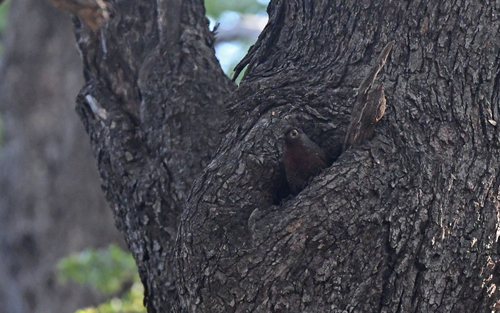 chestnut-throated huet-huet
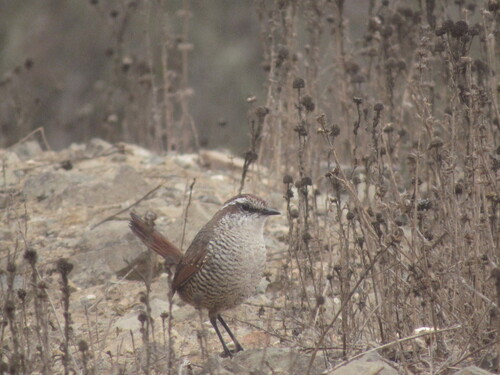 white-throated tapaculo
Em resumo
A marca de campo mais confiável para separar o chestnut-throated huet-huet do white-throated tapaculo é o padrão da garganta e do rosto: o huet-huet apresenta uma garganta vermelha escura rica e não possui branco no rosto, enquanto o tapaculo tem uma garganta branca ousada e supercílios. Além disso, o huet-huet é muito maior e mais robusto, com uma distinta faixa de asa pálida (presente em todas as idades) que o tapaculo não possui. Os tapaculos juvenis são fortemente barrados por toda parte, enquanto os huet-huets juvenis se assemelham aos adultos e nunca mostram barras completas na parte inferior. Ambas as espécies são furtivas terrestres, mas o tamanho e a garganta castanha do huet-huet são inconfundíveis a curta distância.
Dicas de identificação
- Cor da garganta: O chestnut-throated huet-huet sempre apresenta uma garganta vermelha escura rica (castanha), nunca branca. O white-throated tapaculo tem uma garganta branca ousada, uma diferença clara e confiável em todas as idades e estações.
- Padrão facial: O tapaculo tem um supercílios branco proeminente (sobrancelha), ausente no huet-huet. O rosto do huet-huet é uniformemente marrom escuro.
- Faixa de asa: O huet-huet tem uma faixa de asa pálida visível na asa fechada, presente em todas as idades. O tapaculo não possui nenhuma faixa de asa, então até mesmo um vislumbre de uma faixa pálida na asa descarta o tapaculo.
- Barramento juvenil: Os tapaculos juvenis são barrados por toda parte, incluindo partes superiores e inferiores. Os huet-huets juvenis não são barrados e se parecem com adultos mais apagados.
- Padrão da parte inferior: O tapaculo adulto mostra barrados marrom escuro nas partes inferiores esbranquiçadas, especialmente na barriga. As partes inferiores do huet-huet são marrom escuro, exceto pela garganta castanha, nunca barradas.
- Padrão do rabo: O tapaculo tem um rabo levemente barrado; o rabo do huet-huet é uniforme com o resto do corpo.
- Bico e estrutura: O huet-huet é muito mais robusto e robusto em geral, com um bico mais pesado e uma construção atarracada. O tapaculo é menor e mais delicado.
- Impressão de tamanho: Mesmo em vistas ruins, o tamanho do huet-huet é impressionante—cerca de 4 cm mais longo e quase duas vezes mais pesado que o tapaculo.
- Contexto de habitat: Se visto em florestas densas e úmidas do sul, o huet-huet é mais provável; o tapaculo é mais flexível em habitat, mas sempre mostra a garganta branca e supercílios.
- Vistas de voo: Em voo, procure pela faixa de asa pálida do huet-huet; as asas do tapaculo são simples.
- Supercílios: Apenas o tapaculo tem um supercílios branco; o rosto do huet-huet é simples.
- Testa canela: O tapaculo mostra uma testa de tom canela, que está ausente no huet-huet.
- Cor da parte inferior: A barriga do tapaculo é canela pálido, contrastando com a garganta branca e flancos barrados; o huet-huet é marrom escuro abaixo, exceto pela garganta.
- Variação de subespécies: O tapaculo atacamae é mais pálido e cinza por cima, mas ainda possui a garganta branca e supercílios.
- Voz: Não é diagnóstico a partir das notas fornecidas; confie na plumagem e estrutura para separação.
Tamanho
O chestnut-throated huet-huet é significativamente maior e mais pesado, com uma média de 23 cm de comprimento e cerca de 165 g de massa [wikipedia][avonet], tornando-se o maior rinocryptídeo após as gigantes antpittas. Em contraste, o white-throated tapaculo é menor, com cerca de 19 cm de comprimento [wikipedia], com uma construção muito mais leve. Mesmo à distância ou em vistas ruins, o volume e o tamanho do huet-huet são frequentemente aparentes, especialmente quando ambas as espécies são vistas no mesmo habitat.
Plumagem
- Juvenis: O juvenil white-throated tapaculo é barrado por toda parte, incluindo partes superiores e inferiores, fazendo com que pareça muito mais padronizado do que qualquer idade de huet-huet. O juvenil chestnut-throated huet-huet se assemelha ao adulto, com plumagem marrom escura e uma garganta castanha, e nunca mostra barrados completos.
- Adultos: O adulto chestnut-throated huet-huet é marrom escuro no geral, com uma garganta vermelha escura (castanha) e uma faixa de asa pálida. A faixa de asa é uma característica chave e está presente em todas as idades. O adulto white-throated tapaculo tem uma garganta branca ousada e supercílios, partes superiores cinza-marrom, uma testa canela e um rabo levemente barrado. As partes inferiores são esbranquiçadas com barrados marrom escuro, especialmente na barriga. O tapaculo nunca mostra uma faixa de asa.
- Subespécies: A subespécie atacamae do tapaculo é mais pálida e cinza por cima, mas ainda retém a garganta branca e supercílios.
Comportamento
Ambas as espécies são terrestres e secretivas, tipicamente forrageando no ou perto do solo em cobertura densa. O tamanho maior e a construção mais pesada do huet-huet podem fazê-lo parecer mais desajeitado ao se mover, enquanto o tapaculo é menor e pode parecer mais ágil. Ambos são mais frequentemente ouvidos do que vistos, mas o volume do huet-huet é aparente quando é assustado ou atravessa terreno aberto.
Habitat
Ambas as espécies ocorrem no Chile, mas o chestnut-throated huet-huet é geralmente associado a florestas do sul, enquanto o white-throated tapaculo é endêmico do Chile e pode ser encontrado em uma gama mais ampla de habitats, incluindo áreas mais abertas ou arbustivas. A sobreposição é possível, mas o huet-huet tende a preferir ambientes florestais mais densos e úmidos.
chestnut-throated huet-huet · white-throated tapaculo · Minhas aves difíceis