

Chestnut-throated Huet-huet vs White-throated Tapaculo
Pteroptochos castaneus contro Scelorchilus albicollis
Fai un quiz con Chestnut-throated Huet-huet e White-throated Tapaculo
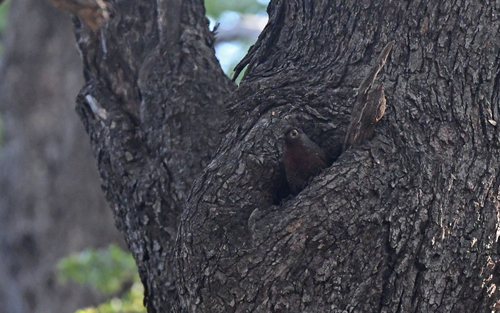 Chestnut-throated Huet-huet
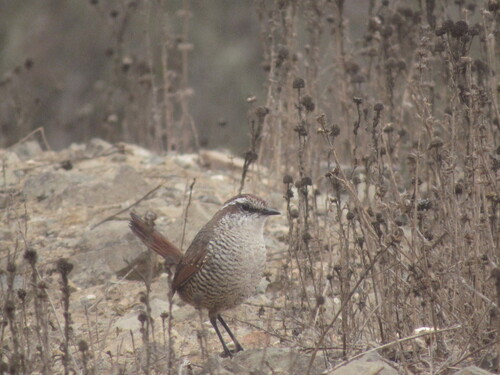 White-throated Tapaculo
In breve
Il segno di campo più affidabile per separare il Chestnut-throated Huet-huet dal White-throated Tapaculo è il modello della gola e del viso: il huet-huet mostra una gola di un ricco rosso scuro e non ha bianco sul viso, mentre il tapaculo ha una gola bianca audace e un supercilio. Inoltre, il huet-huet è molto più grande e massiccio, con una distintiva banda alare di buff chiaro (presente in tutte le età) che il tapaculo non ha. I tapaculos juvenili sono pesantemente barrati ovunque, mentre i huet-huets juvenili somigliano agli adulti e non mostrano mai una completa barratura delle parti inferiori. Entrambe le specie sono furtive terrestri, ma la taglia e la gola castagna del huet-huet sono inconfondibili a distanza ravvicinata.
Consigli di identificazione
- Colore della gola: Il Chestnut-throated Huet-huet mostra sempre una gola di un ricco rosso scuro (castagna), mai bianca. Il White-throated Tapaculo ha una gola bianca audace, una chiara e affidabile differenza in tutte le età e stagioni.
- Modello facciale: Il tapaculo ha un supercilio bianco prominente (sopracciglio), assente nel huet-huet. Il viso del huet-huet è uniformemente marrone scuro.
- Banda alare: Il huet-huet ha una banda alare di buff chiaro visibile sulla ala chiusa, presente in tutte le età. Il tapaculo non ha alcuna banda alare, quindi anche un rapido sguardo a una banda chiara sull'ala esclude il tapaculo.
- Barratura giovanile: I tapaculos juvenili sono barrati ovunque, comprese le parti superiori e inferiori. I huet-huets juvenili non sono barrati e assomigliano a adulti più opachi.
- Modello delle parti inferiori: Il tapaculo adulto mostra barrature marrone scuro sulle parti inferiori bianche, specialmente sulla pancia. Le parti inferiori del huet-huet sono di un marrone scuro uniforme tranne che per la gola castagna, mai barrate.
- Modello del coda: Il tapaculo ha una coda leggermente barrata; la coda del huet-huet è uniforme con il resto del corpo.
- Becco e struttura: Il huet-huet è molto più massiccio e robusto nel complesso, con un becco più pesante e una corporatura tozza. Il tapaculo è più piccolo e più delicato.
- Impressione di dimensione: Anche in viste sfavorevoli, la dimensione del huet-huet è sorprendente—circa 4 cm più lungo e quasi il doppio del peso del tapaculo.
- Contesto dell'habitat: Se visto in foreste meridionali dense e umide, è più probabile che sia un huet-huet; il tapaculo è più flessibile nell'habitat ma mostra sempre la gola bianca e il supercilio.
- Viste in volo: In volo, cerca la banda alare di buff chiaro sul huet-huet; le ali del tapaculo sono semplici.
- Supercilio: Solo il tapaculo ha un supercilio bianco; il viso del huet-huet è semplice.
- Fronte cannella: Il tapaculo mostra una fronte di tonalità cannella, che è assente nel huet-huet.
- Colore delle parti inferiori: La pancia del tapaculo è di un chiaro cannella, in contrasto con la gola bianca e i fianchi barrati; il huet-huet è marrone scuro sotto tranne che per la gola.
- Variazione delle sottospecie: Il tapaculo atacamae è più chiaro e grigiastro sopra ma ha ancora la gola bianca e il supercilio.
- Voce: Non diagnostico dalle note fornite; fare affidamento su piumaggio e struttura per la separazione.
Taglia
Il Chestnut-throated Huet-huet è significativamente più grande e pesante, con una lunghezza media di 23 cm e circa 165 g di massa [wikipedia][avonet], rendendolo il più grande rhinocryptid dopo le gigantesche antpitte. Al contrario, il White-throated Tapaculo è più piccolo, con una lunghezza di circa 19 cm [wikipedia], e una corporatura molto più leggera. Anche a distanza o in viste sfavorevoli, la massa e la dimensione del huet-huet sono spesso evidenti, specialmente quando entrambe le specie sono viste nello stesso habitat.
Piumaggio
- Giovanili: Il giovanile White-throated Tapaculo è barrato ovunque, comprese le parti superiori e inferiori, facendolo sembrare molto più patternato di qualsiasi età di huet-huet. Il giovanile Chestnut-throated Huet-huet assomiglia all'adulto, con piumaggio marrone scuro e una gola castagna, e non mostra mai una completa barratura.
- Adulti: L'adulto Chestnut-throated Huet-huet è di un marrone scuro complessivo con una gola di rosso scuro (castagna) e una banda alare di buff chiaro. La banda alare è una caratteristica chiave ed è presente in tutte le età. L'adulto White-throated Tapaculo ha una gola bianca audace e un supercilio, parti superiori grigio-marroni, una fronte cannella e una coda leggermente barrata. Le parti inferiori sono bianche con barrature marrone scuro, specialmente sulla pancia. Il tapaculo non mostra mai una banda alare.
- Sottospecie: La sottospecie atacamae di tapaculo è più chiara e grigia sopra, ma mantiene ancora la gola bianca e il supercilio.
Comportamento
Entrambe le specie sono terrestri e segrete, tipicamente foraggiando a terra o vicino al suolo in copertura densa. La maggiore dimensione e la corporatura più pesante del huet-huet possono farlo apparire più goffo quando si muove, mentre il tapaculo è più piccolo e può sembrare più agile. Entrambi sono più spesso uditi che visti, ma la massa del huet-huet è evidente quando viene spaventato o attraversa terreni aperti.
Habitat
Entrambe le specie si trovano in Cile, ma il Chestnut-throated Huet-huet è generalmente associato a foreste meridionali, mentre il White-throated Tapaculo è endemico del Cile e può essere trovato in una gamma più ampia di habitat, comprese aree più aperte o cespugliose. È possibile una sovrapposizione, ma il huet-huet tende a preferire ambienti forestali più densi e umidi.
Chestnut-throated Huet-huet · White-throated Tapaculo · I miei uccelli difficili