

Motmot

クリノドオタテドリ 対 アカバネオタテドリ

Pteroptochos castaneus 対 Scelorchilus albicollis

クリノドオタテドリとアカバネオタテドリのクイズ
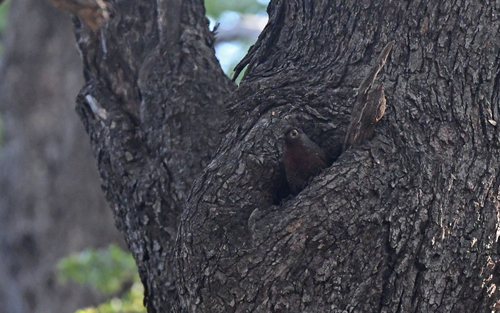
クリノドオタテドリ (Pteroptochos castaneus) クリノドオタテドリ
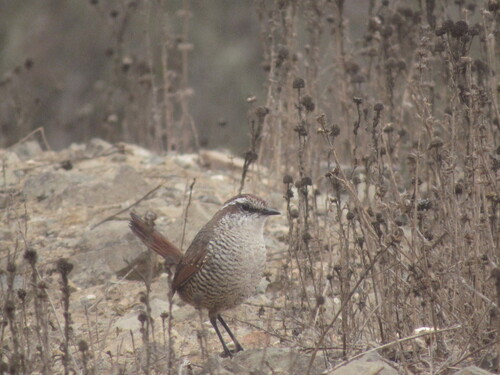
アカバネオタテドリ (Scelorchilus albicollis) アカバネオタテドリ

メディア

読み込み中…

要点

クリノドオタテドリとアカバネオタテドリを区別するための最も信頼できるフィールドマークは、喉と顔のパターンです:huet-huetは豊かな暗赤色の喉を示し、顔には白色がありませんが、tapaculoは大胆な白い喉と眉斑を持っています。さらに、huet-huetははるかに大きくてがっしりしており、tapaculoにはない特徴的な淡いバフ色の翼帯があります。幼鳥のtapaculoは全体に強く縞模様があり、幼鳥のhuet-huetは成鳥に似ており、完全な下部の縞模様を示すことはありません。両種は地上性の隠れ者ですが、huet-huetのサイズとクリノドの喉は近距離で見分けるのが明確です。

識別のコツ

  1. Throat color: クリノドオタテドリは常に豊かな暗赤色(クリノド)の喉を示し、白色はありません。アカバネオタテドリは大胆な白い喉を持ち、すべての年齢と季節で明確で信頼できる違いがあります。
  2. Facial pattern: Tapaculoは目立つ白い眉斑を持ち、huet-huetにはありません。huet-huetの顔は均一に暗褐色です。
  3. Wing bar: Huet-huetは閉じた翼に淡いバフ色の翼帯が見え、すべての年齢で存在します。Tapaculoには翼帯がなく、翼に淡い帯のちら見えがあればtapaculoを除外できます。
  4. Juvenile barring: 幼鳥のtapaculoは全体に縞模様があり、上面と下面を含みます。幼鳥のhuet-huetは縞模様がなく、鈍い成鳥のように見えます。
  5. Underpart pattern: 成鳥のtapaculoは白っぽい下面に暗褐色の縞模様を示し、特に腹部に顕著です。huet-huetの下面はクリノドの喉を除いて均一な暗褐色で、縞模様はありません。
  6. Rump pattern: Tapaculoは軽く縞模様のある尾羽を持ち、huet-huetの尾羽は体の残りと均一です。
  7. Bill and structure: Huet-huetは全体的にずっとがっしりしていて頑丈で、重いくちばしとがっしりした体型を持っています。Tapaculoは小さく、より繊細です。
  8. Size impression: 視界が悪い場合でも、huet-huetのサイズは目を引きます—約4 cm長く、tapaculoのほぼ2倍の重さです。
  9. Habitat context: 密な湿った南部の森林で見られた場合、huet-huetの可能性が高いです;tapaculoは生息地に柔軟ですが、常に白い喉と眉斑を示します。
  10. Flight views: 飛行中、huet-huetの淡いバフ色の翼帯を探してください;tapaculoの翼は単調です。
  11. Supercilium: Tapaculoだけが白い眉斑を持ち、huet-huetの顔は単調です。
  12. Cinnamon forehead: Tapaculoはシナモン色の額を示し、huet-huetにはありません。
  13. Underpart color: Tapaculoの腹部は淡いシナモン色で、白い喉と縞模様のある側面と対照的です;huet-huetは喉を除いて暗褐色です。
  14. Subspecies variation: atacamae亜種のtapaculoは上面がより淡く灰色がかっていますが、白い喉と眉斑は保持しています。
  15. Voice: 提供されたメモからは診断できません;区別には羽毛と構造に依存してください。

大きさ

クリノドオタテドリはかなり大きくて重く、平均して23 cmの長さと約165 gの質量を持ち、巨大なアンティピッタの後で最大のリノクリプティドです。対照的に、アカバネオタテドリは約19 cmの長さで小さく、はるかに軽い体型です。距離があったり視界が悪くても、huet-huetの体格とサイズはしばしば明らかで、特に両種が同じ生息地で見られるときに顕著です。

羽色

行動

両種は地上性で秘密主義的であり、通常は密な被覆の中で地面の上または近くで餌を探します。huet-huetの大きなサイズと重い体型は、移動時により鈍重に見えるかもしれませんが、tapaculoは小さく、より敏捷に見えるかもしれません。両者は見られるよりも聞かれることが多いですが、huet-huetの体格は、追い立てられたり開けた地面を横切るときに明らかです。

生息環境

両種はチリに生息していますが、クリノドオタテドリは一般的に南部の森林に関連付けられ、アカバネオタテドリはチリ固有で、より開けたまたは低木のある地域を含む幅広い生息地で見られます。重複は可能ですが、huet-huetはより密で湿った森林環境を好む傾向があります。

より良い説明を送る

比較と同じ項目を使ってください。文章はすぐに公開されます。

The most reliable field mark for separating Chestnut-throated Huet-huet from White-throated Tapaculo is the throat and face pattern: the huet-huet shows a rich dark red throat and lacks any white on the face, while the tapaculo has a bold white throat and supercilium. In addition, the huet-huet is much larger and bulkier, with a distinctive pale buff wing bar (present in all ages) that the tapaculo lacks. Juvenile tapaculos are heavily barred all over, while juvenile huet-huets resemble adults and never show full underpart barring. Both species are terrestrial skulkers, but the huet-huet’s size and chestnut throat are unmistakable at close range.

  1. Throat color: Chestnut-throated Huet-huet always shows a rich dark red (chestnut) throat, never white. White-throated Tapaculo has a bold white throat, a clear and reliable difference in all ages and seasons.
  2. Facial pattern: Tapaculo has a prominent white supercilium (eyebrow), absent in huet-huet. The huet-huet’s face is uniformly dark brown.
  3. Wing bar: Huet-huet has a pale buff wing bar visible on the closed wing, present in all ages. Tapaculo lacks any wing bar, so even a glimpse of a pale bar on the wing rules out tapaculo.
  4. Juvenile barring: Juvenile tapaculos are barred all over, including upperparts and underparts. Juvenile huet-huets are not barred and look like duller adults.
  5. Underpart pattern: Adult tapaculo shows dark brown barring on whitish underparts, especially on the belly. Huet-huet underparts are plain dark brown except for the chestnut throat, never barred.
  6. Rump pattern: Tapaculo has a lightly barred rump; huet-huet’s rump is uniform with the rest of the body.
  7. Bill and structure: Huet-huet is much bulkier and more robust overall, with a heavier bill and stocky build. Tapaculo is smaller and more delicate.
  8. Size impression: Even in poor views, the huet-huet’s size is striking—about 4 cm longer and nearly twice as heavy as the tapaculo.
  9. Habitat context: If seen in dense, wet southern forests, huet-huet is more likely; tapaculo is more flexible in habitat but always shows the white throat and supercilium.
  10. Flight views: In flight, look for the pale buff wing bar on huet-huet; tapaculo’s wings are plain.
  11. Supercilium: Only tapaculo has a white supercilium; huet-huet’s face is plain.
  12. Cinnamon forehead: Tapaculo shows a cinnamon-toned forehead, which is absent in huet-huet.
  13. Underpart color: Tapaculo’s belly is pale cinnamon, contrasting with the white throat and barred flanks; huet-huet is dark brown below except for the throat.
  14. Subspecies variation: The atacamae tapaculo is paler and grayer above but still has the white throat and supercilium.
  15. Voice: Not diagnostic from the provided notes; rely on plumage and structure for separation.

Chestnut-throated Huet-huet is significantly larger and heavier, averaging 23 cm in length and about 165 g in mass [wikipedia][avonet], making it the largest rhinocryptid after the giant antpittas. In contrast, White-throated Tapaculo is smaller at about 19 cm in length [wikipedia], with a much lighter build. Even at a distance or in poor views, the huet-huet’s bulk and size are often apparent, especially when both species are seen in the same habitat.

  • Juveniles: Juvenile White-throated Tapaculo is barred all over, including upperparts and underparts, making it look much more patterned than any age of huet-huet. Juvenile Chestnut-throated Huet-huet resembles the adult, with dark brown plumage and a chestnut throat, and never shows full barring.
  • Adults: Adult Chestnut-throated Huet-huet is dark brown overall with a dark red (chestnut) throat and a pale buff wing bar. The wing bar is a key feature and is present in all ages. Adult White-throated Tapaculo has a bold white throat and supercilium, gray-brown upperparts, a cinnamon forehead, and a lightly barred rump. Underparts are whitish with dark brown barring, especially on the belly. The tapaculo never shows a wing bar.
  • Subspecies: The atacamae subspecies of tapaculo is paler and grayer above, but still retains the white throat and supercilium.

Both species are terrestrial and secretive, typically foraging on or near the ground in dense cover. The huet-huet’s larger size and heavier build may make it appear more lumbering when moving, while the tapaculo is smaller and may seem more agile. Both are more often heard than seen, but the huet-huet’s bulk is apparent when flushed or crossing open ground.

Both species occur in Chile, but the Chestnut-throated Huet-huet is generally associated with southern forests, while the White-throated Tapaculo is endemic to Chile and can be found in a wider range of habitats, including more open or shrubby areas. Overlap is possible, but the huet-huet tends to prefer denser, wetter forest environments.

変更を破棄しますか?

保存していない編集があります。今離れると失われます。

クリノドオタテドリ · アカバネオタテドリ · 苦手な鳥