

Huet-Huet Gorjicastaño vs Tapaculo Gorjiblanco
Pteroptochos castaneus frente a Scelorchilus albicollis
Juega un quiz con Huet-Huet Gorjicastaño y Tapaculo Gorjiblanco
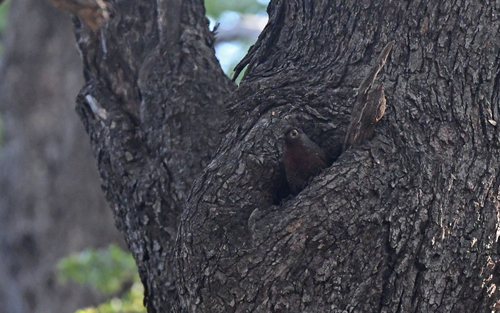 Huet-Huet Gorjicastaño
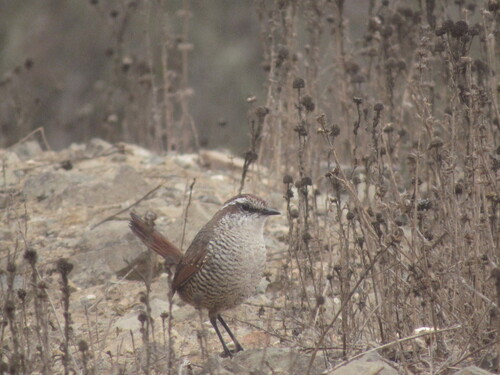 Tapaculo Gorjiblanco
En breve
La marca de campo más confiable para separar el Huet-Huet Gorjicastaño del Tapaculo Gorjiblanco es el patrón de la garganta y la cara: el huet-huet muestra una garganta de un rico rojo oscuro y carece de blanco en la cara, mientras que el tapaculo tiene una garganta blanca audaz y un supercilio. Además, el huet-huet es mucho más grande y robusto, con una distintiva barra alar de color crema pálido (presente en todas las edades) que el tapaculo no tiene. Los tapaculos juveniles están fuertemente barrados por todas partes, mientras que los huet-huets juveniles se asemejan a los adultos y nunca muestran un barrado completo en la parte inferior. Ambas especies son escurridizas y terrestres, pero el tamaño y la garganta castaña del huet-huet son inconfundibles a corta distancia.
Consejos de identificación
- Color de la garganta: El Huet-Huet Gorjicastaño siempre muestra una garganta de un rico rojo oscuro (castaño), nunca blanca. El Tapaculo Gorjiblanco tiene una garganta blanca audaz, una diferencia clara y confiable en todas las edades y estaciones.
- Patrón facial: El tapaculo tiene un supercilio blanco prominente (ceja), ausente en el huet-huet. La cara del huet-huet es uniformemente marrón oscuro.
- Barra alar: El huet-huet tiene una barra alar de color crema pálido visible en el ala cerrada, presente en todas las edades. El tapaculo carece de cualquier barra alar, por lo que incluso un vistazo a una barra pálida en el ala descarta al tapaculo.
- Barrado juvenil: Los tapaculos juveniles están barrados por todas partes, incluyendo partes superiores e inferiores. Los huet-huets juveniles no están barrados y se parecen a adultos más apagados.
- Patrón de la parte inferior: El tapaculo adulto muestra un barrado marrón oscuro en las partes inferiores blanquecinas, especialmente en el vientre. Las partes inferiores del huet-huet son de un marrón oscuro uniforme, excepto por la garganta castaña, nunca barradas.
- Patrón del rabadilla: El tapaculo tiene una rabadilla ligeramente barrada; la rabadilla del huet-huet es uniforme con el resto del cuerpo.
- Pico y estructura: El huet-huet es mucho más robusto y voluminoso en general, con un pico más pesado y una construcción robusta. El tapaculo es más pequeño y más delicado.
- Impresión de tamaño: Incluso en vistas pobres, el tamaño del huet-huet es sorprendente—aproximadamente 4 cm más largo y casi el doble de pesado que el tapaculo.
- Contexto de hábitat: Si se ve en densos, húmedos bosques del sur, es más probable que sea un huet-huet; el tapaculo es más flexible en hábitat pero siempre muestra la garganta blanca y el supercilio.
- Vistas en vuelo: En vuelo, busque la barra alar de color crema pálido en el huet-huet; las alas del tapaculo son uniformes.
- Supercilio: Solo el tapaculo tiene un supercilio blanco; la cara del huet-huet es simple.
- Frente canela: El tapaculo muestra una frente de tono canela, que está ausente en el huet-huet.
- Color de la parte inferior: El vientre del tapaculo es de un canela pálido, contrastando con la garganta blanca y los flancos barrados; el huet-huet es de un marrón oscuro por debajo, excepto por la garganta.
- Variación de subespecies: El tapaculo atacamae es más pálido y grisáceo por encima, pero aún tiene la garganta blanca y el supercilio.
- Voz: No es diagnóstico a partir de las notas proporcionadas; confíe en el plumaje y la estructura para la separación.
Tamaño
El Huet-Huet Gorjicastaño es significativamente más grande y pesado, promediando 23 cm de longitud y aproximadamente 165 g de masa [wikipedia][avonet], lo que lo convierte en el mayor rinocryptido después de las gigantes antpittas. En contraste, el Tapaculo Gorjiblanco es más pequeño, con aproximadamente 19 cm de longitud [wikipedia], y una construcción mucho más ligera. Incluso a distancia o en vistas pobres, el volumen y el tamaño del huet-huet son a menudo evidentes, especialmente cuando ambas especies se ven en el mismo hábitat.
Plumaje
- Juveniles: El Tapaculo Gorjiblanco juvenil está barrado por todas partes, incluyendo partes superiores e inferiores, lo que lo hace parecer mucho más patrón que cualquier edad de huet-huet. El Huet-Huet Gorjicastaño juvenil se asemeja al adulto, con plumaje marrón oscuro y una garganta castaña, y nunca muestra un barrado completo.
- Adultos: El Huet-Huet Gorjicastaño adulto es de un marrón oscuro en general con una garganta de rojo oscuro (castaño) y una barra alar de color crema pálido. La barra alar es una característica clave y está presente en todas las edades. El Tapaculo Gorjiblanco adulto tiene una garganta blanca audaz y un supercilio, partes superiores marrón grisáceo, una frente canela y una rabadilla ligeramente barrada. Las partes inferiores son blanquecinas con barrado marrón oscuro, especialmente en el vientre. El tapaculo nunca muestra una barra alar.
- Subespecies: La subespecie atacamae del tapaculo es más pálida y grisácea por encima, pero aún retiene la garganta blanca y el supercilio.
Comportamiento
Ambas especies son terrestres y secretivas, típicamente forrajeando en o cerca del suelo en cubiertas densas. El tamaño más grande y la construcción más pesada del huet-huet pueden hacer que parezca más torpe al moverse, mientras que el tapaculo es más pequeño y puede parecer más ágil. Ambos son más a menudo escuchados que vistos, pero el volumen del huet-huet es evidente cuando se asustan o cruzan terreno abierto.
Hábitat
Ambas especies ocurren en Chile, pero el Huet-Huet Gorjicastaño generalmente se asocia con bosques del sur, mientras que el Tapaculo Gorjiblanco es endémico de Chile y se puede encontrar en una gama más amplia de hábitats, incluyendo áreas más abiertas o arbustivas. Es posible la superposición, pero el huet-huet tiende a preferir entornos forestales más densos y húmedos.
Huet-Huet Gorjicastaño · Tapaculo Gorjiblanco · Mis aves difíciles