

Bruinkeelturco vs Witkeeltapaculo
Pteroptochos castaneus versus Scelorchilus albicollis
Speel een quiz met Bruinkeelturco en Witkeeltapaculo
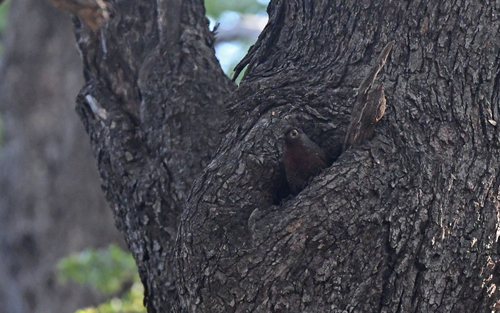 Bruinkeelturco
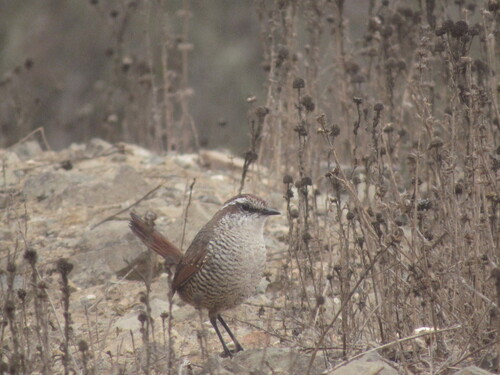 Witkeeltapaculo
Kort gezegd
De meest betrouwbare veldkenmerk om de Bruinkeelturco van de Witkeeltapaculo te scheiden, is het patroon van de keel en het gezicht: de huet-huet heeft een rijke donkerrode keel en mist wit op het gezicht, terwijl de tapaculo een gedurfde witte keel en supercilium heeft. Bovendien is de huet-huet veel groter en robuuster, met een kenmerkende lichte buff vleugelstreep (aanwezig in alle leeftijden) die de tapaculo mist. Juveniele tapaculos zijn overal zwaar gestreept, terwijl juvenile huet-huets op volwassenen lijken en nooit volledige onderkantstreping vertonen. Beide soorten zijn terrestrische schuilers, maar de grootte en de kastanjekleurige keel van de huet-huet zijn onmiskenbaar van dichtbij.
Herkenningstips
- Keelkleur: Bruinkeelturco toont altijd een rijke donkerrode (kastanjekleurige) keel, nooit wit. Witkeeltapaculo heeft een gedurfde witte keel, een duidelijk en betrouwbaar verschil in alle leeftijden en seizoenen.
- Gezichtspatroon: Tapaculo heeft een prominente witte supercilium (wenkbrauw), afwezig in huet-huet. Het gezicht van de huet-huet is uniform donkerbruin.
- Vleugelstreep: Huet-huet heeft een lichte buff vleugelstreep zichtbaar op de gesloten vleugel, aanwezig in alle leeftijden. Tapaculo mist elke vleugelstreep, dus zelfs een glimp van een lichte streep op de vleugel sluit tapaculo uit.
- Juveniele streping: Juveniele tapaculos zijn overal gestreept, inclusief boven- en onderdelen. Juveniele huet-huets zijn niet gestreept en lijken op doffere volwassenen.
- Onderdeelpatroon: Volwassen tapaculo toont donkere bruine streping op witachtige onderdelen, vooral op de buik. Huet-huet onderdelen zijn eenvoudig donkerbruin, behalve voor de kastanjekleurige keel, nooit gestreept.
- Romp patroon: Tapaculo heeft een licht gestreepte romp; de romp van de huet-huet is uniform met de rest van het lichaam.
- Snavel en structuur: Huet-huet is veel robuuster en steviger, met een zwaardere snavel en een gedrongen bouw. Tapaculo is kleiner en delicater.
- Grootte-indruk: Zelfs bij slechte zicht is de grootte van de huet-huet opvallend—ongeveer 4 cm langer en bijna twee keer zo zwaar als de tapaculo.
- Habitatcontext: Als gezien in dichte, natte zuidelijke bossen, is de huet-huet waarschijnlijker; tapaculo is flexibeler in habitat maar toont altijd de witte keel en supercilium.
- Vluchtzicht: In de vlucht, kijk naar de lichte buff vleugelstreep op de huet-huet; tapaculo’s vleugels zijn eenvoudig.
- Supercilium: Alleen tapaculo heeft een witte supercilium; het gezicht van de huet-huet is eenvoudig.
- Kaneelvoorhoofd: Tapaculo toont een kaneelgetint voorhoofd, wat afwezig is in huet-huet.
- Onderdeel kleur: De buik van tapaculo is licht kaneel, in contrast met de witte keel en gestreepte flanken; de huet-huet is donkerbruin onder, behalve voor de keel.
- Subspecies variatie: De atacamae tapaculo is bleker en grijzer boven, maar heeft nog steeds de witte keel en supercilium.
- Stem: Niet diagnostisch uit de gegeven notities; vertrouw op verenkleed en structuur voor scheiding.
Grootte
Bruinkeelturco is aanzienlijk groter en zwaarder, gemiddeld 23 cm in lengte en ongeveer 165 g in massa [wikipedia][avonet], waardoor het de grootste rhinocryptid is na de reuzenantpittas. In tegenstelling, is Witkeeltapaculo kleiner met ongeveer 19 cm in lengte [wikipedia], met een veel lichtere bouw. Zelfs op afstand of bij slechte zicht, is de bulk en grootte van de huet-huet vaak duidelijk, vooral wanneer beide soorten in hetzelfde habitat worden gezien.
Verenkleed
- Juvenielen: Juveniele Witkeeltapaculo is overal gestreept, inclusief boven- en onderdelen, waardoor het veel meer gepatterned lijkt dan welke leeftijd van huet-huet dan ook. Juveniele Bruinkeelturco lijkt op de volwassene, met donkerbruin verenkleed en een kastanjekleurige keel, en toont nooit volledige streping.
- Volwassenen: Volwassen Bruinkeelturco is over het algemeen donkerbruin met een donkerrode (kastanjekleurige) keel en een lichte buff vleugelstreep. De vleugelstreep is een kenmerkende eigenschap en is aanwezig in alle leeftijden. Volwassen Witkeeltapaculo heeft een gedurfde witte keel en supercilium, grijsbruin bovenwerk, een kaneelvoorhoofd en een licht gestreepte romp. Onderste delen zijn witachtig met donkere bruine streping, vooral op de buik. De tapaculo toont nooit een vleugelstreep.
- Subspecies: De atacamae subspecies van tapaculo is bleker en grijzer boven, maar behoudt nog steeds de witte keel en supercilium.
Gedrag
Beide soorten zijn terrestrisch en geheimzinnig, typisch foeragerend op of nabij de grond in dichte dekking. De grotere grootte en zwaardere bouw van de huet-huet kunnen het laten lijken alsof het meer log beweegt, terwijl de tapaculo kleiner is en misschien wendbaarder lijkt. Beide worden vaker gehoord dan gezien, maar de bulk van de huet-huet is duidelijk wanneer deze opvliegt of open terrein oversteekt.
Habitat
Beide soorten komen voor in Chili, maar de Bruinkeelturco wordt over het algemeen geassocieerd met zuidelijke bossen, terwijl de Witkeeltapaculo endemisch is voor Chili en in een breder scala van habitats kan worden gevonden, inclusief meer open of struikachtige gebieden. Overlap is mogelijk, maar de huet-huet heeft de neiging om de voorkeur te geven aan dichtere, nattere bosomgevingen.