

ashy tailorbird vs yellow-bellied prinia
Orthotomus ruficeps versus Prinia flaviventris
Jogue um quiz com ashy tailorbird e yellow-bellied prinia
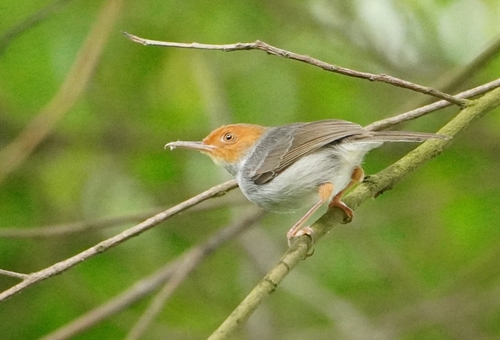 ashy tailorbird
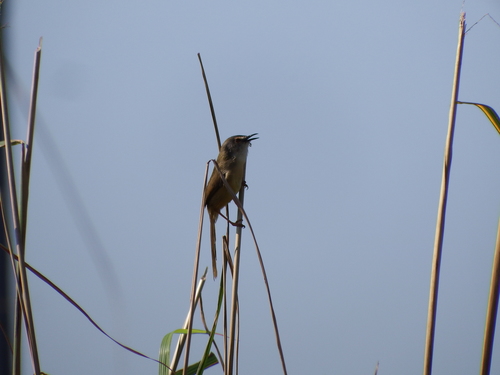 yellow-bellied prinia
Em resumo
A marca de campo mais confiável para separar o ashy tailorbird do yellow-bellied prinia é o distinto rosto e coroa frontal ruivos-castanhos do ashy tailorbird nos machos adultos, que nunca é exibido pelo yellow-bellied prinia. As fêmeas e os juvenis de ashy tailorbird não apresentam esse ruivo, mas ainda mostram um dorso cinza-ashy contrastante e partes inferiores mais claras, enquanto o yellow-bellied prinia sempre apresenta uma barriga amarela e não tem nenhum ruivo na cabeça. Ambas as espécies são pequenos insetívoros ativos no Sudeste Asiático, mas sua plumagem, especialmente na cabeça e nas partes inferiores, é a chave para a separação em campo. O formato do bico e o padrão da cauda também podem ajudar, especialmente em vistas empoleiradas.
Dicas de identificação
- Rosto e coroa frontal ruivos-castanhos (ashy tailorbird macho adulto): Apenas os machos de ashy tailorbird mostram esse rico ruivo no rosto, queixo e coroa frontal. Se você ver isso, é diagnóstico. O yellow-bellied prinia nunca mostra qualquer ruivo ou castanho na cabeça.
- Barriga amarela (yellow-bellied prinia): Qualquer pássaro com uma barriga amarela brilhante é um yellow-bellied prinia. O ashy tailorbird nunca mostra amarelo na barriga em qualquer idade ou sexo.
- Dorso e cauda cinza-ashy (ashy tailorbird): Os adultos de ashy tailorbird têm um dorso e cauda cinza-ashy distintamente, contrastando com a cabeça ruiva (macho) ou garganta branca (fêmea). O yellow-bellied prinia é mais oliva ou acastanhado acima e não possui esse contraste acentuado.
- Queixo e garganta brancos (ashy tailorbird fêmea): As fêmeas têm um queixo e garganta brancos, às vezes com um peito cinza claro, mas nunca partes inferiores amarelas. Isso ajuda a separar do yellow-bellied prinia, que tem partes inferiores amarelas e uma garganta menos contrastante.
- Confusão juvenil: Os juvenis de ashy tailorbird não têm ruivo na cabeça e têm partes superiores verde-oliva, que podem parecer semelhantes ao yellow-bellied prinia. No entanto, verifique se há amarelo na barriga (presente apenas no yellow-bellied prinia) e o rosto liso (juvenil de ashy tailorbird). Se o rosto for liso e a barriga não for amarela, incline-se para o ashy tailorbird.
- Formato do bico: O ashy tailorbird tem um bico longo, ligeiramente curvado para baixo, marrom casca acima e chifre abaixo. Embora não seja sempre óbvio à distância, isso pode ajudar em vistas próximas. O bico do yellow-bellied prinia é mais curto e mais típico dos prinias.
- Cor e contraste da cauda: O ashy tailorbird tem uma cauda cinza mais clara, que pode contrastar com o dorso cinza-ashy. A cauda do yellow-bellied prinia está mais alinhada com as partes superiores oliva/acastanhadas.
- Altura de forrageio: O ashy tailorbird frequentemente forrageia e faz ninhos baixos (abaixo de 1 m) na vegetação, enquanto o yellow-bellied prinia não é especificamente notado por esse comportamento.
- Diferenças sexuais: Apenas o ashy tailorbird mostra forte dimorfismo sexual (ruivo no macho, garganta branca na fêmea). Os sexos do yellow-bellied prinia são semelhantes.
- Sem diferença no padrão da asa superior ou no voo: Nenhuma das espécies mostra um padrão distintivo de asa superior ou de voo nas fontes disponíveis, então não confie em painéis de asas ou bordas traseiras.
- Sobreposição de habitat: Ambas podem ocorrer em habitats perturbados e bordas, então não use o habitat como um separador primário, a menos que em plantações de óleo de palma, onde o ashy tailorbird pode ser mais comum.
- Sem diferença de canto ou chamada nas notas: Se você ouvir uma canção distinta, consulte um guia de campo local, pois as fontes não fornecem diferenças vocais.
- Variação de subespécies (ashy tailorbird): Há alguma variação na vermelhidão da cabeça e na tonalidade de cinza no dorso entre as subespécies de ashy tailorbird, mas o padrão básico se mantém: cabeça ruiva (macho), dorso cinza-ashy, sem barriga amarela.
- Sequência de plumagem: Lembre-se de que os juvenis de ashy tailorbird podem ser confusamente lisos, mas a ausência de amarelo na barriga e qualquer ruivo na cabeça é a chave. O yellow-bellied prinia sempre mostra algum amarelo abaixo, mesmo em pássaros jovens.
- Impressão geral: Em bandos mistos ou habitats de borda, procure o contraste acentuado entre a cabeça e as partes inferiores no ashy tailorbird em comparação com a aparência mais uniforme e barriga amarela do yellow-bellied prinia.
Tamanho
Ambas as espécies são muito semelhantes em tamanho e massa, com o ashy tailorbird pesando em média cerca de 7,0 g e o yellow-bellied prinia cerca de 7,6 g [wikidata]. Ambos são pássaros minúsculos e ativos, e o tamanho sozinho não é um separador confiável em campo. O comprimento também é semelhante (ashy tailorbird cerca de 7 cm), então os observadores devem se concentrar na plumagem e na estrutura.
Plumagem
-
Pássaros juvenis/imaturos: Os juvenis de ashy tailorbird não têm a cabeça ruiva do adulto e, em vez disso, mostram partes superiores verde-oliva, que podem se sobrepor aos tons gerais do yellow-bellied prinia, mas os juvenis de ashy tailorbird ainda não têm amarelo na barriga e têm um rosto mais liso. O juvenil de yellow-bellied prinia, por outro lado, sempre mostra algum amarelo na barriga e nunca apresenta qualquer ruivo ou castanho na cabeça.
-
Machos adultos: Os machos de ashy tailorbird têm um rosto, queixo e coroa frontal ruivos-castanhos impressionantes, nitidamente destacados de um dorso cinza-ashy e cauda cinza mais clara, com as partes inferiores variando de garganta cinza a barriga esbranquiçada. O yellow-bellied prinia nunca mostra ruivo na cabeça e é nomeado por sua barriga amarela brilhante, com partes superiores mais oliva ou acastanhadas e um rosto menos contrastante.
-
Fêmeas adultas: As fêmeas de ashy tailorbird são semelhantes aos machos, mas com um queixo e garganta brancos, partes superiores mais claras e um leve tom cinza no peito. Elas ainda não têm amarelo na barriga e nenhum ruivo na cabeça. A fêmea do yellow-bellied prinia se assemelha ao macho, mas é geralmente mais apagada, ainda com partes inferiores amarelas e sem ruivo no rosto.
-
Padrão da asa superior: Nenhum padrão distintivo de asa superior ou de voo é descrito para qualquer uma das espécies nas fontes, então a separação depende da cor da cabeça e das partes inferiores, não de painéis ou bordas das asas.
Comportamento
O ashy tailorbird é frequentemente visto forrageando em pares ou pequenos grupos familiares, movendo-se ativamente através da copa das árvores e da vegetação rasteira, bem como na borda da floresta. É altamente adaptável e pode ser comum mesmo em habitats perturbados, como plantações de óleo de palma. O yellow-bellied prinia também é um insetívoro ativo, mas as fontes não detalham seu estilo de forrageio ou comportamento social nesse contexto. Ambos são provavelmente vistos voando através da vegetação baixa, mas o hábito do ashy tailorbird de permanecer baixo (frequentemente fazendo ninhos abaixo de 1 m) pode ser uma pista comportamental sutil.
Habitat
Ambas as espécies ocorrem no Sudeste Asiático e podem se sobrepor em alcance. O ashy tailorbird é especialmente notado por sua adaptabilidade a habitats perturbados, incluindo plantações de óleo de palma, onde pode ser comum. O yellow-bellied prinia tem um alcance mais amplo, estendendo-se do Paquistão e das encostas do Himalaia até o Sudeste Asiático, mas a preferência de habitat não é detalhada nas notas. Em áreas de sobreposição, ambas podem ser encontradas em bordas e crescimento secundário, então o habitat não é um separador forte.
ashy tailorbird · yellow-bellied prinia · Minhas aves difíceis