

Grijze snijdervogel vs Geelbuikprinia
Orthotomus ruficeps versus Prinia flaviventris
Speel een quiz met Grijze snijdervogel en Geelbuikprinia
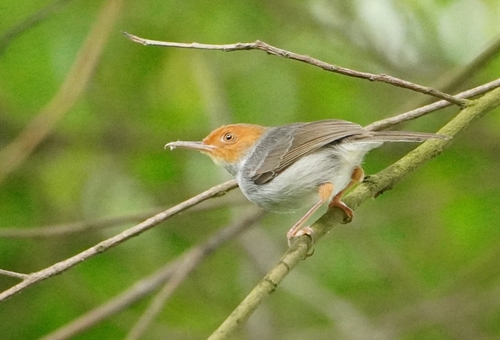 Grijze snijdervogel
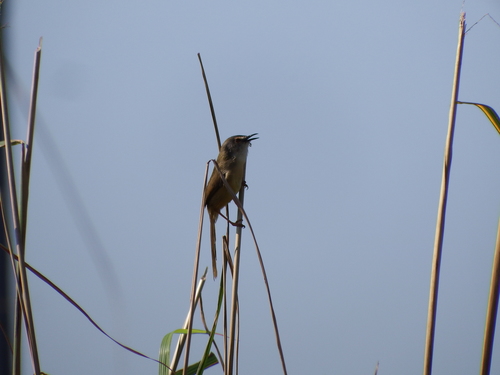 Geelbuikprinia
Kort gezegd
Het meest betrouwbare veldkenmerk om de Grijze snijdervogel van de Geelbuikprinia te scheiden, is het kenmerkende roestkastanjebruine gezicht en voorhoofd van de Grijze snijdervogel bij volwassen mannetjes, wat nooit wordt getoond door de Geelbuikprinia. Vrouwelijke en jonge Grijze snijdervogels missen deze roestkleur, maar tonen nog steeds een contrasterende asgrijze rug en lichtere onderdelen, terwijl de Geelbuikprinia altijd een gele buik toont en geen roestkleur op het hoofd heeft. Beide soorten zijn kleine, actieve insecteneters in Zuidoost-Azië, maar hun verenkleed, vooral op het hoofd en de onderdelen, is de sleutel tot het veldonderscheid. De snavelvorm en het staartpatroon kunnen ook helpen, vooral in gezeten posities.
Herkenningstips
- Roestkastanjebruin gezicht en voorhoofd (Grijze snijdervogel volwassen mannetje): Alleen Grijze snijdervogel mannetjes tonen deze rijke roestkleur op het gezicht, de kin en het voorhoofd. Als je dit ziet, is het diagnostisch. Geelbuikprinia toont nooit enige roestkleur of kastanjebruin op het hoofd.
- Gele buik (Geelbuikprinia): Elke vogel met een heldergele buik is een Geelbuikprinia. Grijze snijdervogel toont nooit geel op de buik, ongeacht leeftijd of geslacht.
- Asgrijze rug en staart (Grijze snijdervogel): Volwassen Grijze snijdervogels hebben een duidelijk asgrijze rug en staart, contrasterend met het roestkleurige hoofd (man) of de witte keel (vrouw). Geelbuikprinia is meer olijfkleurig of bruinachtig boven en mist dit scherpe contrast.
- Witte kin en keel (Grijze snijdervogel vrouw): Vrouwelijke Grijze snijdervogels hebben een witte kin en keel, soms met een lichtgrijze borst, maar nooit gele onderdelen. Dit helpt om te scheiden van de Geelbuikprinia, die gele onderdelen heeft en een minder contrasterende keel.
- Jongere verwarring: Jonge Grijze snijdervogels missen roestkleur op het hoofd en hebben olijfgroene bovenzijde, wat op de Geelbuikprinia kan lijken. Controleer echter op geel op de buik (alleen aanwezig bij Geelbuikprinia) en het eenvoudige gezicht (jonge Grijze snijdervogel). Als het gezicht eenvoudig is en de buik niet geel, neig dan naar Grijze snijdervogel.
- Snavelvorm: Grijze snijdervogel heeft een lange, licht gebogen snavel, schorsbruin boven en hoornkleurig onder. Hoewel dit niet altijd op afstand duidelijk is, kan dit helpen bij dichtbijzicht. De snavel van de Geelbuikprinia is korter en meer typisch voor prinias.
- Staartkleur en contrast: Grijze snijdervogel heeft een lichtere grijze staart, die kan contrasteren met de asgrijze rug. Geelbuikprinia's staart is meer in lijn met de olijf/brown bovenzijde.
- Foerageerhoogte: Grijze snijdervogel foerageert en nestelt vaak laag (onder 1 m) in de vegetatie, terwijl de Geelbuikprinia hier niet specifiek voor wordt opgemerkt.
- Geslachtsverschillen: Alleen de Grijze snijdervogel toont sterk seksueel dimorfisme (roestkleur bij man, witte keel bij vrouw). De geslachten van de Geelbuikprinia zijn vergelijkbaar.
- Geen verschil in bovenste vleugel of vluchtpatroon: Geen van beide soorten toont een onderscheidend bovenste vleugel- of vluchtpatroon in de beschikbare bronnen, dus vertrouw niet op vleugelpanelen of achterranden.
- Habitatoverlap: Beide kunnen voorkomen in verstoorde habitats en randen, dus gebruik habitat niet als primaire scheider, tenzij in palmolieplantages, waar de Grijze snijdervogel mogelijk gebruikelijker is.
- Geen verschil in zang of roep in noten: Als je een onderscheidende zang hoort, raadpleeg dan een lokale veldgids, aangezien de bronnen geen vocale verschillen bieden.
- Subspecies variatie (Grijze snijdervogel): Er is enige variatie in de roodheid van het hoofd en de schaduw van grijs op de rug onder Grijze snijdervogel subspecies, maar het basispatroon blijft: roestkleurig hoofd (man), asgrijze rug, geen gele buik.
- Verenkleed volgorde: Vergeet niet dat jonge Grijze snijdervogels verwarrend eenvoudig kunnen zijn, maar de afwezigheid van geel op de buik en enige roestkleur op het hoofd is essentieel. Geelbuikprinia toont altijd enige geel onder, zelfs bij jonge vogels.
- Algemene indruk: In gemengde groepen of randhabitats, let op het scherpe hoofd/onderdeelcontrast in Grijze snijdervogel versus de meer uniforme, geelbuikige uitstraling van Geelbuikprinia.
Grootte
Beide soorten zijn zeer vergelijkbaar in grootte en massa, met de Grijze snijdervogel die gemiddeld ongeveer 7,0 g weegt en de Geelbuikprinia ongeveer 7,6 g [wikidata]. Beide zijn kleine, actieve vogels, en alleen de grootte is geen betrouwbare scheider in het veld. De lengte is ook vergelijkbaar (Grijze snijdervogel rond de 7 cm), dus waarnemers moeten zich richten op verenkleed en structuur.
Verenkleed
-
Jonge/onvolwassen vogels: Jonge Grijze snijdervogels missen het roestkleurige hoofd van de volwassenen en tonen in plaats daarvan olijfgroene bovenzijde, wat kan overlappen met de algemene tonen van de Geelbuikprinia, maar jonge Grijze snijdervogels missen nog steeds geel op de buik en hebben een eenvoudiger gezicht. Jonge Geelbuikprinia toont daarentegen altijd enige geel op de buik en toont nooit enige roestkleur of kastanjebruin op het hoofd.
-
Volwassen mannetjes: Grijze snijdervogel mannetjes hebben een opvallend roestkastanjebruin gezicht, kin en voorhoofd, scherp afgebakend van een asgrijze rug en lichtere grijze staart, met de onderdelen die van grijze keel naar witachtige buik verlopen. Geelbuikprinia toont nooit roestkleur op het hoofd en is genoemd naar zijn heldergele buik, met bovenzijde meer olijfkleurig of bruinachtig en een minder contrasterend gezicht.
-
Volwassen vrouwtjes: Vrouwelijke Grijze snijdervogels zijn vergelijkbaar met mannetjes, maar met een witte kin en keel, lichtere bovenzijde, en een lichtgrijze was over de borst. Ze missen nog steeds geel op de buik en enige roestkleur op het hoofd. Vrouwelijke Geelbuikprinia lijkt op het mannetje, maar is over het algemeen doffer, nog steeds met gele onderdelen en geen roestkleur op het gezicht.
-
Bovenste vleugelpatroon: Er is geen onderscheidend bovenste vleugel- of vluchtpatroon beschreven voor beide soorten in de bronnen, dus scheiding is afhankelijk van hoofd- en onderdeelkleur, niet vleugelpanelen of randen.
Gedrag
Grijze snijdervogel wordt vaak gezien terwijl hij foerageert in paren of kleine familiegroepen, actief bewegend door zowel het bladerdak van het bos als de ondergroei, evenals de bosrand. Het is zeer aanpasbaar en kan zelfs in verstoorde habitats zoals palmolieplantages gebruikelijk zijn. Geelbuikprinia is ook een actieve insecteneter, maar de bronnen geven geen details over zijn foerageerstijl of sociale gedrag in deze context. Beide zijn waarschijnlijk te zien terwijl ze door lage vegetatie fladderen, maar de gewoonte van de Grijze snijdervogel om laag te blijven (vaak nestelend onder 1 m) kan een subtiele gedragsindicatie zijn.
Habitat
Beide soorten komen voor in Zuidoost-Azië en kunnen overlappen in hun verspreidingsgebied. De Grijze snijdervogel is vooral bekend om zijn aanpassingsvermogen aan verstoorde habitats, waaronder palmolieplantages, waar hij gebruikelijk kan zijn. De Geelbuikprinia heeft een breder verspreidingsgebied, dat zich uitstrekt van Pakistan en de Himalaya-voeten tot Zuidoost-Azië, maar de habitatvoorkeur is niet gedetailleerd in de notities. In gebieden van overlap kunnen beide worden aangetroffen in randen en secundaire groei, dus habitat is geen sterke scheider.