

Ashy Tailorbird vs Yellow-bellied Prinia
Orthotomus ruficeps contro Prinia flaviventris
Fai un quiz con Ashy Tailorbird e Yellow-bellied Prinia
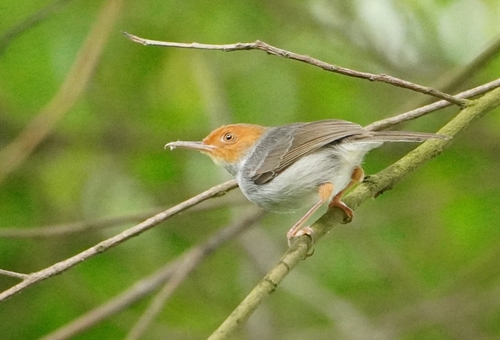 Ashy Tailorbird
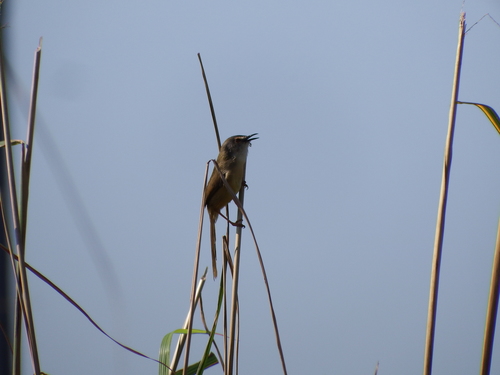 Yellow-bellied Prinia
In breve
Il segno distintivo più affidabile per separare l'Ashy Tailorbird dalla Yellow-bellied Prinia è il volto e la corona anteriore ruggente e castano distintivi dell'Ashy Tailorbird nei maschi adulti, che non sono mai mostrati dalla Yellow-bellied Prinia. Le femmine e i giovani Ashy Tailorbird mancano di questo ruggente ma mostrano comunque un dorso grigio ashy contrastante e parti inferiori più chiare, mentre la Yellow-bellied Prinia mostra sempre un ventre giallo e non ha alcun ruggente sulla testa. Entrambe le specie sono piccoli e attivi insetti in Sud-est asiatico, ma il loro piumaggio, specialmente sulla testa e sulle parti inferiori, è la chiave per la separazione sul campo. La forma del becco e il modello della coda possono anche aiutare, specialmente nelle viste in perching.
Consigli di identificazione
- Volto e corona anteriore ruggente e castano (maschio adulto Ashy Tailorbird): Solo i maschi dell'Ashy Tailorbird mostrano questo ricco ruggente sul volto, sul mento e sulla corona anteriore. Se lo vedi, è diagnostico. La Yellow-bellied Prinia non mostra mai alcun ruggente o castano sulla testa.
- Ventre giallo (Yellow-bellied Prinia): Qualsiasi uccello con un ventre giallo brillante è una Yellow-bellied Prinia. L'Ashy Tailorbird non mostra mai giallo sul ventre a qualsiasi età o sesso.
- Dorso e coda grigio ashy (Ashy Tailorbird): Gli adulti dell'Ashy Tailorbird hanno un dorso e una coda grigio ashy distintivi, in contrasto con la testa ruggente (maschio) o la gola bianca (femmina). La Yellow-bellied Prinia è più oliva o marrone sopra e manca di questo forte contrasto.
- Mento e gola bianchi (femmina Ashy Tailorbird): Le femmine hanno un mento e una gola bianchi, a volte con un petto grigio chiaro, ma mai parti inferiori gialle. Questo aiuta a separarle dalla Yellow-bellied Prinia, che ha parti inferiori gialle e una gola meno contrastante.
- Confusione giovanile: I giovani Ashy Tailorbird mancano di ruggente sulla testa e hanno parti superiori verde oliva, che possono sembrare simili alla Yellow-bellied Prinia. Tuttavia, controlla se c'è giallo sul ventre (presente solo nella Yellow-bellied Prinia) e il volto semplice (giovane Ashy Tailorbird). Se il volto è semplice e il ventre non è giallo, inclina verso l'Ashy Tailorbird.
- Forma del becco: L'Ashy Tailorbird ha un becco lungo e leggermente curvato, marrone corteccia sopra e corno sotto. Anche se non sempre ovvio a distanza, questo può aiutare nelle viste ravvicinate. Il becco della Yellow-bellied Prinia è più corto e più tipico delle prinias.
- Colore e contrasto della coda: L'Ashy Tailorbird ha una coda grigia più chiara, che può contrastare con il dorso ashy. La coda della Yellow-bellied Prinia è più in linea con le parti superiori oliva/marroni.
- Altezza di foraggiamento: L'Ashy Tailorbird spesso foraggia e nidifica in basso (sotto 1 m) nella vegetazione, mentre la Yellow-bellied Prinia non è specificamente nota per questo comportamento.
- Differenze sessuali: Solo l'Ashy Tailorbird mostra un forte dimorfismo sessuale (ruggente nel maschio, gola bianca nella femmina). I sessi della Yellow-bellied Prinia sono simili.
- Nessuna differenza nel modello dell'ala superiore o nel volo: Nessuna delle due specie mostra un modello distintivo dell'ala superiore o di volo nelle fonti disponibili, quindi non fare affidamento sui pannelli delle ali o sui bordi posteriori.
- Sovrapposizione dell'habitat: Entrambi possono verificarsi in habitat disturbati e ai margini, quindi non utilizzare l'habitat come separatore primario a meno che non ci si trovi in piantagioni di olio di palma, dove l'Ashy Tailorbird potrebbe essere più comune.
- Nessuna differenza nel canto o nelle note: Se senti un canto distintivo, consulta una guida locale, poiché le fonti non forniscono differenze vocali.
- Variazione delle sottospecie (Ashy Tailorbird): C'è una certa variazione nel rossore della testa e nella tonalità di grigio sul dorso tra le sottospecie di Ashy Tailorbird, ma il modello di base rimane: testa ruggente (maschio), dorso ashy, nessun ventre giallo.
- Sequenza del piumaggio: Ricorda che i giovani Ashy Tailorbird possono essere confusamente semplici, ma l'assenza di giallo sul ventre e di qualsiasi ruggente sulla testa è fondamentale. La Yellow-bellied Prinia mostra sempre un po' di giallo sotto, anche nei giovani uccelli.
- Impressione generale: In stormi misti o habitat ai margini, cerca il forte contrasto testa/parti inferiori nell'Ashy Tailorbird rispetto all'aspetto più uniforme e ventre giallo della Yellow-bellied Prinia.
Taglia
Entrambe le specie sono molto simili in dimensioni e massa, con l'Ashy Tailorbird che pesa in media circa 7,0 g e la Yellow-bellied Prinia circa 7,6 g [wikidata]. Entrambi sono uccelli piccoli e attivi, e la dimensione da sola non è un separatore affidabile sul campo. Anche la lunghezza è simile (Ashy Tailorbird circa 7 cm), quindi gli osservatori dovrebbero concentrarsi sul piumaggio e sulla struttura.
Piumaggio
-
Uccelli giovani/immaturi: I giovani Ashy Tailorbird mancano della testa ruggente degli adulti e mostrano invece parti superiori verde oliva, che possono sovrapporsi con le tonalità generali della Yellow-bellied Prinia, ma i giovani Ashy Tailorbird mancano ancora di giallo sul ventre e hanno un volto più semplice. La Yellow-bellied Prinia giovane, al contrario, mostra sempre un po' di giallo sul ventre e non mostra mai alcun ruggente o castano sulla testa.
-
Maschi adulti: I maschi dell'Ashy Tailorbird hanno un volto, un mento e una corona anteriore ruggente e castano straordinari, nettamente distinti da un dorso grigio ashy e una coda grigia più chiara, con le parti inferiori che vanno dalla gola grigia a un ventre biancastro. La Yellow-bellied Prinia non mostra mai ruggente sulla testa ed è chiamata per il suo ventre giallo brillante, con parti superiori più olive o marroni e un volto meno contrastante.
-
Femmine adulte: Le femmine degli Ashy Tailorbird sono simili ai maschi ma con un mento e una gola bianchi, parti superiori più chiare e un lavaggio grigio chiaro sul petto. Mancano ancora di giallo sul ventre e di qualsiasi ruggente sulla testa. La femmina della Yellow-bellied Prinia assomiglia al maschio ma è complessivamente più opaca, con ancora parti inferiori gialle e nessun ruggente sul volto.
-
Modello dell'ala superiore: Nessun modello distintivo dell'ala superiore o di volo è descritto per entrambe le specie nelle fonti, quindi la separazione si basa sul colore della testa e delle parti inferiori, non sui pannelli o sui bordi delle ali.
Comportamento
L'Ashy Tailorbird è spesso visto foraggiare in coppie o piccoli gruppi familiari, muovendosi attivamente sia attraverso la chioma della foresta che nel sottobosco, così come ai margini della foresta. È altamente adattabile e può essere comune anche in habitat disturbati come le piantagioni di olio di palma. La Yellow-bellied Prinia è anche un attivo insetti, ma le fonti non dettagliano il suo stile di foraggiamento o comportamento sociale in questo contesto. Entrambi sono probabilmente visti svolazzare attraverso la vegetazione bassa, ma l'abitudine dell'Ashy Tailorbird di rimanere basso (spesso nidificando sotto 1 m) può essere un sottile indizio comportamentale.
Habitat
Entrambe le specie si trovano nel Sud-est asiatico e possono sovrapporsi nel loro areale. L'Ashy Tailorbird è particolarmente noto per la sua adattabilità agli habitat disturbati, comprese le piantagioni di olio di palma, dove può essere comune. La Yellow-bellied Prinia ha un areale più ampio, che si estende dal Pakistan e dai piedi dell'Himalaya fino al Sud-est asiatico, ma la preferenza per l'habitat non è dettagliata nelle note. Nelle aree di sovrapposizione, entrambe possono essere trovate ai margini e nella crescita secondaria, quindi l'habitat non è un forte separatore.
Ashy Tailorbird · Yellow-bellied Prinia · I miei uccelli difficili