

Sastrecillo Ceniciento vs Prinia Ventriamarilla
Orthotomus ruficeps frente a Prinia flaviventris
Juega un quiz con Sastrecillo Ceniciento y Prinia Ventriamarilla
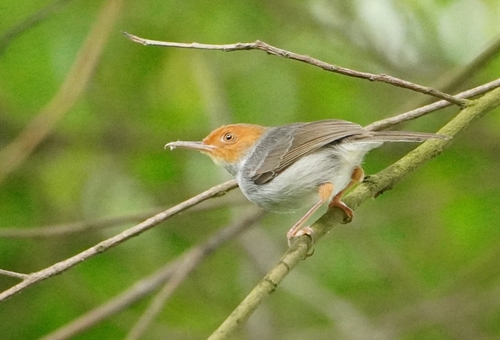 Sastrecillo Ceniciento
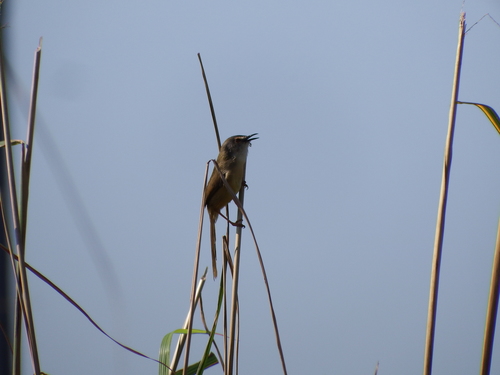 Prinia Ventriamarilla
En breve
La marca de campo más confiable para separar al Sastrecillo Ceniciento de la Prinia Ventriamarilla es la distintiva cara y coronilla rufous-castaño del Sastrecillo Ceniciento en machos adultos, que nunca se muestra en la Prinia Ventriamarilla. Las hembras y los juveniles de Sastrecillo Ceniciento carecen de este rufous pero aún muestran un dorso gris ceniza contrastante y partes inferiores más pálidas, mientras que la Prinia Ventriamarilla siempre muestra un vientre amarillo y carece de cualquier rufous en la cabeza. Ambas especies son pequeños insectívoros activos en el sudeste asiático, pero su plumaje, especialmente en la cabeza y las partes inferiores, es la clave para la separación en el campo. La forma del pico y el patrón de la cola también pueden ayudar, especialmente en vistas posadas.
Consejos de identificación
- Cara y coronilla rufous-castaño (Sastrecillo Ceniciento macho adulto): Solo los machos de Sastrecillo Ceniciento muestran este rico rufous en la cara, el mentón y la coronilla. Si ves esto, es diagnóstico. La Prinia Ventriamarilla nunca muestra rufous o castaño en la cabeza.
- Vientre amarillo (Prinia Ventriamarilla): Cualquier ave con un vientre amarillo brillante es una Prinia Ventriamarilla. El Sastrecillo Ceniciento nunca muestra amarillo en el vientre a ninguna edad o sexo.
- Dorso y cola gris ceniza (Sastrecillo Ceniciento): Los adultos de Sastrecillo Ceniciento tienen un dorso y cola gris ceniza distintivos, contrastando con la cabeza rufous (macho) o la garganta blanca (hembra). La Prinia Ventriamarilla es más oliva o marrón por encima y carece de este contraste agudo.
- Mentón y garganta blancos (Sastrecillo Ceniciento hembra): Las hembras tienen un mentón y garganta blancos, a veces con un pecho gris pálido, pero nunca partes inferiores amarillas. Esto ayuda a separarlas de la Prinia Ventriamarilla, que tiene partes inferiores amarillas y una garganta menos contrastante.
- Confusión juvenil: Los juveniles de Sastrecillo Ceniciento carecen de rufous en la cabeza y tienen partes superiores verde oliva, que pueden parecerse a la Prinia Ventriamarilla. Sin embargo, verifica si hay amarillo en el vientre (presente solo en la Prinia Ventriamarilla) y la cara simple (juvenil de Sastrecillo Ceniciento). Si la cara es simple y el vientre no es amarillo, inclínate hacia el Sastrecillo Ceniciento.
- Forma del pico: El Sastrecillo Ceniciento tiene un pico largo, ligeramente curvado hacia abajo, marrón corteza por encima y cuerno por debajo. Aunque no siempre es obvio a distancia, esto puede ayudar en vistas cercanas. El pico de la Prinia Ventriamarilla es más corto y más típico de las prinias.
- Color y contraste de la cola: El Sastrecillo Ceniciento tiene una cola gris más clara, que puede contrastar con el dorso ceniza. La cola de la Prinia Ventriamarilla está más en línea con las partes superiores oliva/marrón.
- Altura de forrajeo: El Sastrecillo Ceniciento a menudo forrajea y anida bajo (por debajo de 1 m) en la vegetación, mientras que la Prinia Ventriamarilla no se nota específicamente por este comportamiento.
- Diferencias sexuales: Solo el Sastrecillo Ceniciento muestra un fuerte dimorfismo sexual (rufous en el macho, garganta blanca en la hembra). Los sexos de la Prinia Ventriamarilla son similares.
- Sin diferencia en el patrón de alas superiores o vuelo: Ninguna de las especies muestra un patrón distintivo de alas superiores o vuelo en las fuentes disponibles, así que no confíes en paneles de alas o bordes.
- Superposición de hábitats: Ambas pueden ocurrir en hábitats perturbados y bordes, así que no uses el hábitat como un separador primario a menos que estés en plantaciones de palma de aceite, donde el Sastrecillo Ceniciento puede ser más común.
- Sin diferencia en notas de canto o llamada: Si escuchas una canción distintiva, consulta una guía de campo local, ya que las fuentes no proporcionan diferencias vocales.
- Variación de subespecies (Sastrecillo Ceniciento): Hay cierta variación en el enrojecimiento de la cabeza y el tono de gris en el dorso entre las subespecies de Sastrecillo Ceniciento, pero el patrón básico se mantiene: cabeza rufous (macho), dorso ceniza, sin vientre amarillo.
- Secuencia de plumaje: Recuerda que los juveniles de Sastrecillo Ceniciento pueden ser confusamente simples, pero la ausencia de amarillo en el vientre y cualquier rufous en la cabeza es clave. La Prinia Ventriamarilla siempre muestra algo de amarillo por debajo, incluso en aves jóvenes.
- Impresión general: En bandadas mixtas o hábitats de borde, busca el contraste agudo entre la cabeza y las partes inferiores en el Sastrecillo Ceniciento frente al aspecto más uniforme y de vientre amarillo de la Prinia Ventriamarilla.
Tamaño
Ambas especies son muy similares en tamaño y masa, con el Sastrecillo Ceniciento promediando alrededor de 7.0 g y la Prinia Ventriamarilla alrededor de 7.6 g [wikidata]. Ambas son aves pequeñas y activas, y el tamaño por sí solo no es un separador confiable en el campo. La longitud también es similar (Sastrecillo Ceniciento alrededor de 7 cm), por lo que los observadores deben centrarse en el plumaje y la estructura.
Plumaje
-
Aves juveniles/inmaduras: Los juveniles de Sastrecillo Ceniciento carecen de la cabeza rufous del adulto y en su lugar muestran partes superiores verde oliva, que pueden superponerse con los tonos generales de la Prinia Ventriamarilla, pero los juveniles de Sastrecillo Ceniciento aún carecen de amarillo en el vientre y tienen una cara más simple. La Prinia Ventriamarilla juvenil, en contraste, siempre muestra algo de amarillo en el vientre y nunca muestra rufous o castaño en la cabeza.
-
Machos adultos: Los machos de Sastrecillo Ceniciento tienen una cara, mentón y coronilla rufous-castaño llamativos, claramente diferenciados de un dorso gris ceniza y una cola gris más clara, con las partes inferiores que van de una garganta gris a un vientre blanquecino. La Prinia Ventriamarilla nunca muestra rufous en la cabeza y se nombra por su brillante vientre amarillo, con partes superiores más oliva o marrones y una cara menos contrastante.
-
Hembras adultas: Las hembras de Sastrecillo Ceniciento son similares a los machos pero con un mentón y garganta blancos, partes superiores más pálidas y un lavado gris pálido en el pecho. Aún carecen de amarillo en el vientre y cualquier rufous en la cabeza. La hembra de la Prinia Ventriamarilla se asemeja al macho pero es en general más apagada, aún con partes inferiores amarillas y sin rufous en la cara.
-
Patrón de alas superiores: No se describe un patrón distintivo de alas superiores o vuelo para ninguna de las especies en las fuentes, por lo que la separación se basa en el color de la cabeza y las partes inferiores, no en paneles de alas o bordes.
Comportamiento
El Sastrecillo Ceniciento se ve a menudo forrajeando en parejas o pequeños grupos familiares, moviéndose activamente a través del dosel del bosque y la maleza, así como en el borde del bosque. Es altamente adaptable y puede ser común incluso en hábitats perturbados como las plantaciones de palma de aceite. La Prinia Ventriamarilla también es un insectívoro activo, pero las fuentes no detallan su estilo de forrajeo o comportamiento social en este contexto. Ambas son propensas a ser vistas revoloteando a través de la vegetación baja, pero el hábito del Sastrecillo Ceniciento de permanecer bajo (a menudo anidando por debajo de 1 m) puede ser una pista de comportamiento sutil.
Hábitat
Ambas especies ocurren en el sudeste asiático y pueden superponerse en su rango. El Sastrecillo Ceniciento es especialmente conocido por su adaptabilidad a hábitats perturbados, incluidas las plantaciones de palma de aceite, donde puede ser común. La Prinia Ventriamarilla tiene un rango más amplio, que se extiende desde Pakistán y las estribaciones del Himalaya hasta el sudeste asiático, pero la preferencia de hábitat no se detalla en las notas. En áreas de superposición, ambas pueden encontrarse en bordes y crecimiento secundario, por lo que el hábitat no es un separador fuerte.
Sastrecillo Ceniciento · Prinia Ventriamarilla · Mis aves difíciles