

Motmot

アカガオサイホウチョウ 対 アオハウチワドリ

Orthotomus ruficeps 対 Prinia flaviventris

アカガオサイホウチョウとアオハウチワドリのクイズ
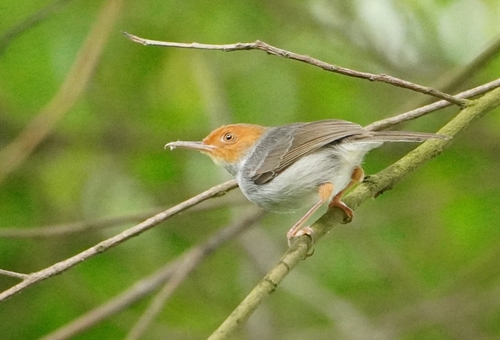
アカガオサイホウチョウ (Orthotomus ruficeps) アカガオサイホウチョウ
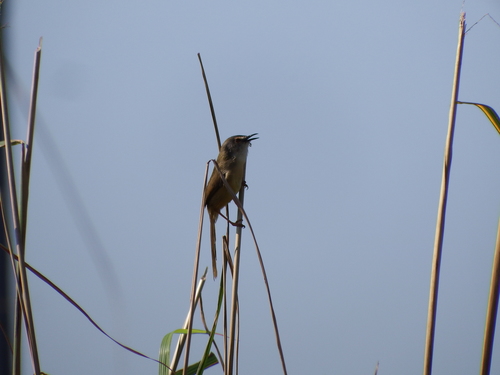
アオハウチワドリ (Prinia flaviventris) アオハウチワドリ

メディア

読み込み中…

要点

アカガオサイホウチョウとアオハウチワドリを区別する最も信頼できるフィールドマークは、成鳥のオスのアカガオサイホウチョウの特徴的な赤褐色の顔と前冠であり、これはアオハウチワドリには見られません。雌と幼鳥のアカガオサイホウチョウはこの赤褐色を欠いていますが、対照的な灰色の背中と淡い腹部を示します。一方、アオハウチワドリは常に黄色い腹部を持ち、頭に赤褐色はありません。両種は東南アジアの小型で活発な昆虫食性の鳥ですが、特に頭部と腹部の羽毛が重要なフィールドでの区別点です。くちばしの形状や尾の模様も役立ちますが、特に止まっている姿勢での観察が重要です。

識別のコツ

  1. 赤褐色の顔と前冠(アカガオサイホウチョウ成鳥オス): アカガオサイホウチョウのオスだけが顔、あご、前冠にこの豊かな赤褐色を示します。これを見たら、診断的です。アオハウチワドリは頭に赤褐色や茶色を示しません。
  2. 黄色い腹部(アオハウチワドリ): 明るい黄色の腹部を持つ鳥はアオハウチワドリです。アカガオサイホウチョウは年齢や性別に関わらず腹部に黄色を示しません。
  3. 灰色の背中と尾(アカガオサイホウチョウ): アカガオサイホウチョウの成鳥は、赤褐色の頭(オス)または白い喉(雌)と対照的な明確な灰色の背中と尾を持っています。アオハウチワドリは上面がオリーブ色または茶色がかっており、この鋭い対比が欠けています。
  4. 白いあごと喉(アカガオサイホウチョウ雌): 雌は白いあごと喉を持ち、時には淡い灰色の胸がありますが、腹部に黄色はありません。これはアオハウチワドリとの区別に役立ちます。アオハウチワドリは黄色い腹部を持ち、喉の対比が少ないです。
  5. 幼鳥の混乱: 幼いアカガオサイホウチョウは頭に赤褐色がなく、オリーブグリーンの上面を持ち、アオハウチワドリに似て見えることがあります。しかし、腹部に黄色があるか(アオハウチワドリにのみ存在)と、顔が平坦か(アカガオサイホウチョウ幼鳥)を確認してください。顔が平坦で腹部が黄色でない場合は、アカガオサイホウチョウに傾いてください。
  6. くちばしの形状: アカガオサイホウチョウは長く、わずかに下向きのくちばしを持ち、上面は樹皮色、下面は角質色です。遠くからは常に明らかではありませんが、近くでの観察に役立ちます。アオハウチワドリのくちばしは短く、プリニアの典型的な形状です。
  7. 尾の色と対比: アカガオサイホウチョウは明るい灰色の尾を持ち、灰色の背中と対比します。アオハウチワドリの尾はオリーブ色/茶色の上面に合わせられています。
  8. 採餌の高さ: アカガオサイホウチョウはしばしば低い(1メートル未満)植生の中で採餌し、巣を作りますが、アオハウチワドリはこの行動について特に言及されていません。
  9. 性差: アカガオサイホウチョウだけが強い性差を示します(オスは赤褐色、雌は白い喉)。アオハウチワドリの性別は似ています。
  10. 上翼や飛行パターンの違いはなし: どちらの種も利用可能な情報源において特有の上翼や飛行パターンを示さないため、翼のパネルや後縁に頼らないでください。
  11. 生息地の重複: 両者は乱れた生息地やエッジに出現することがあるため、パーム油プランテーションのようにアカガオサイホウチョウがより一般的な場合を除き、生息地を主要な区別要因として使用しないでください。
  12. 音や呼び声の違いはなし: 特徴的な歌声を聞いた場合は、地元のフィールドガイドを参照してください。情報源は声の違いを提供していません。
  13. 亜種の変異(アカガオサイホウチョウ): アカガオサイホウチョウの亜種間で頭の赤みや背中の灰色の色合いにいくつかの変異がありますが、基本的なパターンは保持されます:オスは赤褐色の頭、灰色の背中、黄色の腹部はありません。
  14. 羽毛の順序: アカガオサイホウチョウの幼鳥は混乱を招くほど平坦に見えることがありますが、腹部に黄色がなく、頭に赤褐色がないことが重要です。アオハウチワドリは常に若い鳥でも下に何らかの黄色を示します。
  15. 全体的な印象: 混合した群れやエッジの生息地では、アカガオサイホウチョウの鋭い頭部/腹部の対比と、アオハウチワドリのより均一で黄色い腹部の外観を探してください。

大きさ

両種はサイズと質量が非常に似ており、アカガオサイホウチョウは平均約7.0g、アオハウチワドリは約7.6gです [wikidata]。両者は小さく、活発な鳥であり、サイズだけではフィールドでの信頼できる区別要因にはなりません。長さも似ており(アカガオサイホウチョウは約7cm)、観察者は羽毛と構造に焦点を当てるべきです。

羽色

行動

アカガオサイホウチョウはしばしばペアや小さな家族グループで採餌しているのが見られ、森林の樹冠や下草、森林のエッジを活発に移動します。非常に適応力があり、パーム油プランテーションのような乱れた生息地でも一般的です。アオハウチワドリも活発な昆虫食性ですが、情報源はこの文脈での採餌スタイルや社会的行動について詳しく述べていません。両者は低い植生の中を飛び回るのが見られる可能性がありますが、アカガオサイホウチョウの低く留まる習性(しばしば1メートル未満で巣を作る)は微妙な行動の手がかりかもしれません。

生息環境

両種は東南アジアに生息し、範囲が重なることがあります。アカガオサイホウチョウは特に乱れた生息地への適応力が高いことで知られており、パーム油プランテーションでは一般的です。アオハウチワドリはパキスタンやヒマラヤの山麓から東南アジアにかけて広い範囲を持っていますが、生息地の好みについては詳細が記載されていません。重複する地域では、両者はエッジや二次成長の中に見られることがあるため、生息地は強い区別要因ではありません。

より良い説明を送る

比較と同じ項目を使ってください。文章はすぐに公開されます。

The most reliable field mark to separate Ashy Tailorbird from Yellow-bellied Prinia is the Ashy Tailorbird's distinctive rufous-chestnut face and forecrown in adult males, which is never shown by Yellow-bellied Prinia. Female and juvenile Ashy Tailorbirds lack this rufous but still show a contrasting ashy-grey back and paler underparts, while Yellow-bellied Prinia always shows a yellow belly and lacks any rufous on the head. Both species are small, active insectivores in Southeast Asia, but their plumage, especially on the head and underparts, is the key field separation. Bill shape and tail pattern can also help, especially in perched views.

  1. Rufous-chestnut face and forecrown (Ashy Tailorbird adult male): Only Ashy Tailorbird males show this rich rufous on the face, chin, and forecrown. If you see this, it's diagnostic. Yellow-bellied Prinia never shows any rufous or chestnut on the head.
  2. Yellow belly (Yellow-bellied Prinia): Any bird with a bright yellow belly is a Yellow-bellied Prinia. Ashy Tailorbird never shows yellow on the belly at any age or sex.
  3. Ashy-grey back and tail (Ashy Tailorbird): Ashy Tailorbird adults have a distinctly ashy-grey back and tail, contrasting with the rufous head (male) or white throat (female). Yellow-bellied Prinia is more olive or brownish above and lacks this sharp contrast.
  4. White chin and throat (Ashy Tailorbird female): Females have a white chin and throat, sometimes with a pale grey breast, but never yellow underparts. This helps separate from Yellow-bellied Prinia, which has yellow underparts and a less contrasting throat.
  5. Juvenile confusion: Juvenile Ashy Tailorbirds lack rufous on the head and have olive-green upperparts, which can look similar to Yellow-bellied Prinia. However, check for yellow on the belly (present only in Yellow-bellied Prinia) and the plain face (Ashy Tailorbird juvenile). If the face is plain and the belly is not yellow, lean toward Ashy Tailorbird.
  6. Bill shape: Ashy Tailorbird has a long, slightly decurved bill, bark brown above and horn below. While not always obvious at a distance, this can help in close views. Yellow-bellied Prinia's bill is shorter and more typical of prinias.
  7. Tail color and contrast: Ashy Tailorbird has a lighter grey tail, which can contrast with the ashy back. Yellow-bellied Prinia's tail is more in line with the olive/brown upperparts.
  8. Foraging height: Ashy Tailorbird often forages and nests low (below 1 m) in vegetation, while Yellow-bellied Prinia is not specifically noted for this behavior.
  9. Sex differences: Only Ashy Tailorbird shows strong sexual dimorphism (rufous in male, white throat in female). Yellow-bellied Prinia sexes are similar.
  10. No upperwing or flight pattern difference: Neither species shows a distinctive upperwing or flight pattern in the available sources, so do not rely on wing panels or trailing edges.
  11. Habitat overlap: Both can occur in disturbed habitats and edge, so do not use habitat as a primary separator unless in palm oil plantations, where Ashy Tailorbird may be more common.
  12. No song or call difference in notes: If you hear a distinctive song, consult a local field guide, as the sources do not provide vocal differences.
  13. Subspecies variation (Ashy Tailorbird): There is some variation in the redness of the head and shade of grey on the back among Ashy Tailorbird subspecies, but the basic pattern holds: rufous head (male), ashy back, no yellow belly.
  14. Plumage sequence: Remember that Ashy Tailorbird juveniles can be confusingly plain, but the absence of yellow on the belly and any rufous on the head is key. Yellow-bellied Prinia always shows some yellow below, even in young birds.
  15. Overall impression: In mixed flocks or edge habitats, look for the sharp head/underpart contrast in Ashy Tailorbird versus the more uniform, yellow-bellied look of Yellow-bellied Prinia.

Both species are very similar in size and mass, with Ashy Tailorbird averaging about 7.0 g and Yellow-bellied Prinia about 7.6 g [wikidata]. Both are tiny, active birds, and size alone is not a reliable separator in the field. Length is also similar (Ashy Tailorbird around 7 cm), so observers should focus on plumage and structure.

  • Juvenile/immature birds: Juvenile Ashy Tailorbirds lack the adult's rufous head and instead show olive-green upperparts, which can overlap with the general tones of Yellow-bellied Prinia, but Ashy Tailorbird juveniles still lack yellow on the belly and have a plainer face. Juvenile Yellow-bellied Prinia, by contrast, always shows some yellow on the belly and never shows any rufous or chestnut on the head.

  • Adult males: Ashy Tailorbird males have a striking rufous-chestnut face, chin, and forecrown, sharply set off from an ashy-grey back and lighter grey tail, with the underparts grading from grey throat to whitish belly. Yellow-bellied Prinia never shows rufous on the head and is named for its bright yellow belly, with upperparts more olive or brownish and a less contrasting face.

  • Adult females: Female Ashy Tailorbirds are similar to males but with a white chin and throat, paler upperparts, and a pale grey wash across the breast. They still lack yellow on the belly and any rufous on the head. Female Yellow-bellied Prinia resembles the male but is overall duller, still with yellow underparts and no rufous on the face.

  • Upperwing pattern: No distinctive upperwing or flight pattern is described for either species in the sources, so separation relies on head and underpart color, not wing panels or edges.

Ashy Tailorbird is often seen foraging in pairs or small family groups, moving actively through both forest canopy and undergrowth, as well as forest edge. It is highly adaptable and can be common even in disturbed habitats like palm oil plantations. Yellow-bellied Prinia is also an active insectivore, but the sources do not detail its foraging style or social behavior in this context. Both are likely to be seen flitting through low vegetation, but Ashy Tailorbird's habit of staying low (often nesting below 1 m) may be a subtle behavioral clue.

Both species occur in Southeast Asia and can overlap in range. Ashy Tailorbird is especially noted for its adaptability to disturbed habitats, including palm oil plantations, where it can be common. Yellow-bellied Prinia has a wider range, extending from Pakistan and the Himalayan foothills to Southeast Asia, but habitat preference is not detailed in the notes. In areas of overlap, both may be found in edge and secondary growth, so habitat is not a strong separator.

変更を破棄しますか?

保存していない編集があります。今離れると失われます。

アカガオサイホウチョウ · アオハウチワドリ · 苦手な鳥