

Zwartkophoningvogel vs Dikbekhoningvogel
Prionochilus thoracicus versus Pachyglossa agilis
Speel een quiz met Zwartkophoningvogel en Dikbekhoningvogel
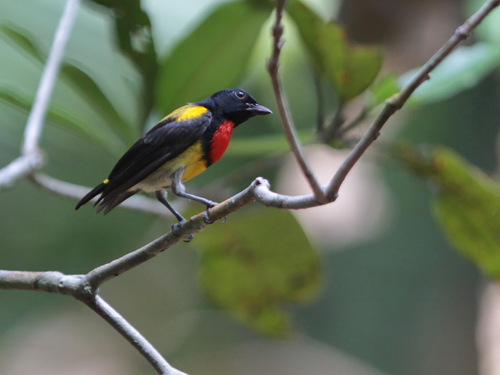 Zwartkophoningvogel
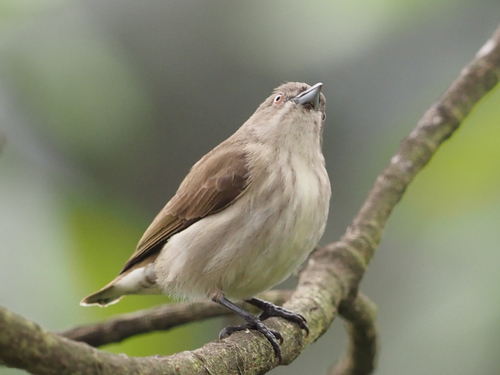 Dikbekhoningvogel
Kort gezegd
De meest betrouwbare manier om Zwartkophoningvogel van Dikbekhoningvogel te scheiden, is de aanwezigheid van een gedurfde scharlaken vlek op de borst bij volwassen Zwartkophoningvogel, die volledig afwezig is bij Dikbekhoningvogel. Juveniele en niet-broedende vogels kunnen lastiger zijn, maar Dikbekhoningvogel heeft altijd een zwaardere, donkere snavel en een korte staart met kenmerkende witachtige vlekken aan de staartpunten, terwijl Zwartkophoningvogel compacter is en deze staartvlekken mist. In de vlucht of op afstand, let op de over het algemeen donkere, gestreepte en tamelijk eenvoudige onderdelen van Dikbekhoningvogel versus de schonere, meer contrasterende uitstraling van Zwartkophoningvogel. Het habitat kan helpen: Zwartkophoningvogel is een specialist van laaglandbossen, terwijl Dikbekhoningvogel wijdverspreid is en vaak wordt aangetroffen in open of gecultiveerde gebieden evenals in het bosdak.
Herkenningstips
- Scharlaken borstvlek: Volwassen mannelijke Zwartkophoningvogel heeft een heldere scharlaken vlek op de borst; Dikbekhoningvogel toont dit nooit op enige leeftijd of geslacht.
- Staartvlekken: Dikbekhoningvogel toont altijd witachtige vlekken aan de uiteinden van de staartveren, zichtbaar in de vlucht of wanneer de staart is opgefanned. Zwartkophoningvogel mist deze staartvlekken volledig.
- Snavelstructuur: Dikbekhoningvogel heeft een merkbaar dikke, zware en donkere snavel, wat het een robuuste uitstraling geeft. De snavel van Zwartkophoningvogel is fijner en minder prominent.
- Onderdeelpatroon: Dikbekhoningvogel is dof grijsachtig onder met diffuse strepen, wat een vlekkerige, gestreepte uitstraling aan de onderdelen geeft. Zwartkophoningvogel is schoner onder, met een sterk kleurcontrast (vooral bij mannelijke vogels).
- Juveniele markeringen: Juveniele Dikbekhoningvogel heeft een blekere basis van de onderkaak en minder strepen onder dan volwassenen, maar toont nog steeds staartvlekken en een zware snavel. Juveniele Zwartkophoningvogel worden niet beschreven, maar zouden staartvlekken en strepen moeten missen.
- Staartlengte en -vorm: Dikbekhoningvogel heeft een korte, stompige staart, die vaak van links naar rechts wordt geflikkerd. De staart van Zwartkophoningvogel is proportioneel langer en minder stomp.
- Romp kleur: Dikbekhoningvogel kan een iets olijfkleurige romp vertonen in sommige ondersoorten, maar dit is subtiel en niet altijd zichtbaar.
- Geslachtsverschillen: Beide soorten zijn seksueel monomorf in het veld, behalve voor de scharlaken vlek van de mannelijke Zwartkophoningvogel. Vrouwelijke Zwartkophoningvogel en alle Dikbekhoningvogel missen heldere kleuren.
- Voedingsgedrag: Dikbekhoningvogel is waarschijnlijker te zien hoog in het bosdak, actief zijn staart flikkerend en roepend. Zwartkophoningvogel kan lager of in dichtere vegetatie zijn.
- Habitatcontext: Zwartkophoningvogel is een specialist van laaglandbossen en moerassen in Zuidoost-Azië; Dikbekhoningvogel is wijdverspreid en kan worden aangetroffen in open, gecultiveerde of randhabitats evenals in het bos.
- Geografisch bereik: Als je buiten Brunei, Indonesië, Maleisië of Thailand bent, is Zwartkophoningvogel onwaarschijnlijk; Dikbekhoningvogel is de standaard in India, Sri Lanka en een groot deel van Zuidoost-Azië.
- Vocalisaties: Als je een frequente 'spick' roep of een rommelige zang met Ashy Prinia-achtige noten hoort, is het Dikbekhoningvogel. De stem van Zwartkophoningvogel is niet beschreven.
- Kroon display: Dikbekhoningvogel mannetjes kunnen kroonveren oprichten in een display, met een witte kroonstreep—zelden gezien, maar diagnostisch als het wordt waargenomen.
- Nest associatie: Dikbekhoningvogel nestelt soms tussen Oecophylla smaragdina mieren-nesten, maar dit is geen veldkenmerk voor individuele identificatie.
- Valstrikken: Onvolwassen of vrouwelijke Zwartkophoningvogel zonder scharlaken vlek kan worden verward met Dikbekhoningvogel, maar controleer op staartvlekken (alleen bij Dikbekhoningvogel) en snavel dikte.
Grootte
Dikbekhoningvogel is iets groter (ongeveer 10 cm in lengte) en lijkt robuuster, met een merkbaar dikke, zware snavel en een korte, stompige staart. Zwartkophoningvogel is compact en klein, maar precieze metingen worden niet in de notities gegeven. Beide zijn kleine vogels, maar de proporties van Dikbekhoningvogel—vooral zijn snavel en staart—laten het robuuster en minder delicaat lijken dan Zwartkophoningvogel.
Verenkleed
- Juvenielen/onvolwassenen: Juveniele Dikbekhoningvogel heeft een blekere basis van de onderkaak en minder strepen onder dan volwassenen, maar mist nog steeds enige scharlaken op de borst. Witachtige vlekken aan de uiteinden van de staartveren zijn zichtbaar in alle leeftijden van Dikbekhoningvogel, een belangrijk punt in de vlucht of wanneer de staart is opgefanned. Juveniele Zwartkophoningvogel worden niet in detail beschreven, maar de afwezigheid van staartvlekken en enige strepen onder is te verwachten.
- Volwassenen: Mannetjes Zwartkophoningvogel hebben een gedurfde scharlaken borstvlek, die nooit aanwezig is bij Dikbekhoningvogel. Volwassen Dikbekhoningvogel zijn donker grijsbruin boven, dof grijsachtig onder met diffuse strepen, en hebben een iets olijfkleurige romp in sommige ondersoorten. Beide geslachten van Dikbekhoningvogel lijken op elkaar, en de onderdelen zijn altijd gestreept en tonen nooit een heldere vlek. Zwartkophoningvogel is schoner onder met een sterk kleurcontrast.
- Staart: Dikbekhoningvogel toont altijd witachtige staartpunten; Zwartkophoningvogel doet dit niet.
Gedrag
Dikbekhoningvogel is zeer actief, vaak hoog in het bosdak te zien, zijn staart van links naar rechts flikkerend en vaak roepend. Het voedt zich voornamelijk met bessen en nectar, soms zaden op takken wrijvend. Het gedrag van Zwartkophoningvogel is minder gedetailleerd in de notities, maar als een typische honingvogel is het waarschijnlijk ook actief en behendig. Echter, de constante staartbeweging en hogere voedingshoogte van Dikbekhoningvogel (vooral in Sri Lanka) zijn meer uitgesproken. Beide kunnen in het bosdak worden gezien, maar Dikbekhoningvogel is waarschijnlijker te vinden in open of gecultiveerde gebieden.
Habitat
Zwartkophoningvogel is beperkt tot subtropische of tropische vochtige laaglandbossen en moerassen in Brunei, Indonesië, Maleisië en Thailand. Dikbekhoningvogel is veel wijdverspreider in Zuid-Azië, inclusief India, Indonesië en Timor, en wordt aangetroffen in een grotere verscheidenheid aan habitats: dichte laaglandbossen, open bossen en zelfs gecultiveerde gebieden. Als je je in een moerassig of dicht laaglandbos in Zuidoost-Azië bevindt, is Zwartkophoningvogel waarschijnlijker; in open, gecultiveerde of randhabitats, vooral buiten het kerngebied van Zwartkophoningvogel, is Dikbekhoningvogel de standaard.
Geluid
Dikbekhoningvogel geeft een frequente 'spick' roep en, wanneer hij zich toont, produceert hij een rommelige zang met noten die doen denken aan Ashy Prinia. De vocalisaties van Zwartkophoningvogel zijn niet beschreven in de notities, dus de stem is alleen diagnostisch als je de typische Dikbekhoningvogel roepen of zang hoort.
Zwartkophoningvogel · Dikbekhoningvogel · Mijn lastige vogels