

Parelborstzwaluw vs Witkeelzwaluw
Hirundo dimidiata versus Hirundo albigularis
Speel een quiz met Parelborstzwaluw en Witkeelzwaluw
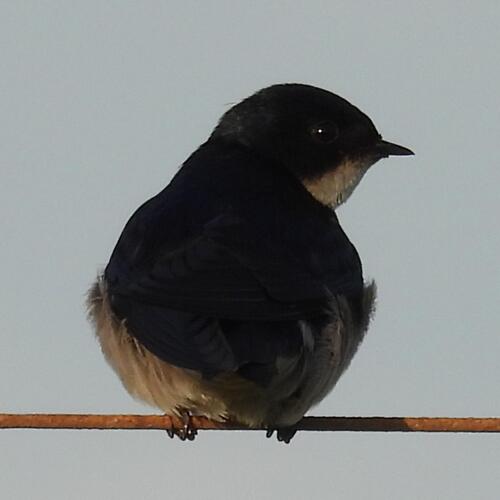 Parelborstzwaluw
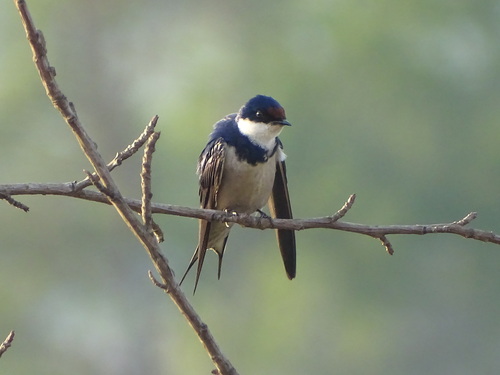 Witkeelzwaluw
Kort gezegd
Het meest betrouwbare veldkenmerk om de Parelborstzwaluw van de Witkeelzwaluw te scheiden, is de aanwezigheid of afwezigheid van wit in de staart: de Witkeelzwaluw vertoont duidelijke witte vlekken nabij de punten van de onderstaartveren, terwijl de Parelborstzwaluw een uniform donkere staart heeft zonder wit. Bovendien heeft de Witkeelzwaluw een opvallende witte keel die scherp is gescheiden van de onderdelen door een donkere borstband en een heldere kastanjebruine kroon, terwijl de Parelborstzwaluw zowel de borstband als de kastanjebruine kroon mist en meer uniform grijs-witte onderdelen heeft. Juveniele vogels van beide soorten zijn doffer en hebben kortere staarten, maar de verschillen in staart- en keelpuntpatronen blijven nuttig. Beide soorten zijn kleine, glanzende blauwe zwaluwen met een vergelijkbare vliegstijl, maar de Witkeelzwaluw is iets groter en wordt vaker gezien rond bruggen en dammen.
Herkenningstips
- Controleer op wit in de staart: De Witkeelzwaluw vertoont altijd witte vlekken nabij de punten van de onderstaartveren, zichtbaar in de vlucht en vaak wanneer hij zit. De staart van de Parelborstzwaluw is uniform donker zonder wit—dit is het enige meest betrouwbare kenmerk voor alle leeftijden en seizoenen.
- Zoek naar een borstband: De Witkeelzwaluw heeft een goed gedefinieerde donkerblauw-zwarte borstband die de witte keel van de grijs-witte onderdelen scheidt. De Parelborstzwaluw mist een borstband; zijn onderdelen zijn meer uniform grijs-wit.
- Let op de kleur van de keel: De Witkeelzwaluw heeft een heldere witte keel die opvalt tegen de donkere borstband en kroon. De keel van de Parelborstzwaluw is niet duidelijk wit en mengt zich met de rest van de onderdelen.
- Kleur van de kroon: Volwassen Witkeelzwaluw heeft een heldere kastanjebruine kroon, die contrasteert met de blauwe rug en witte keel. De Parelborstzwaluw mist kastanjebruin op de kroon; zijn hoofd is glanzend blauw zoals de rug.
- Juveniele kenmerken: Juveniele Witkeelzwaluw is doffer, met een browner kroon en kortere staart, maar vertoont nog steeds de witte keel en borstband. Juveniele Parelborstzwaluw is doffer en browner in het algemeen, met een eenvoudige kop en zonder borstband of witte keel.
- Onderwingdekkingen: Beide soorten hebben grijsachtige of grijs-witte onderwingdekkingen, maar die van de Parelborstzwaluw zijn een donkerdere tint dan zijn onderdelen. Dit is subtiel en geen primair veldkenmerk.
- Staartvorm: Beide soorten hebben gevorkte staarten, waarbij mannetjes langere buitenveren hebben. Staartvorm is geen sterke scheider, maar de aanwezigheid of afwezigheid van wit is.
- Grootte: De Witkeelzwaluw is iets groter (14–17 cm vs 13–14 cm), maar dit is zelden diagnostisch in het veld, tenzij ze naast elkaar worden gezien.
- Habitatcontext: Als de vogel wordt gezien die nestelt of zit op een brug of dam, is de Witkeelzwaluw waarschijnlijker, hoewel niet exclusief.
- Vliegstijl: Beide soorten hebben vergelijkbare snelle, wendbare vlucht; vliegstijl is geen scheider.
- Vocalisaties: Alleen de Witkeelzwaluw wordt beschreven als het geven van fluittonen en chirps, maar dit is geen sterk veldkenmerk zonder meer informatie.
- Geslachtsverschillen: Bij beide soorten hebben mannetjes iets langere buitenstaartveren, maar dit is geen praktisch veldkenmerk voor scheiding.
- Seizoensvariatie: Er zijn geen sterke seizoensgebonden verenkleedverschillen beschreven voor beide soorten; de belangrijkste kenmerken zijn het hele jaar door consistent.
- Verenkleedvalkuilen: Pas op voor doffe juvenielen, die de kleuren van de kroon en keel kunnen verdoezelen, maar de aanwezigheid of afwezigheid van de borstband en staartwit blijft betrouwbaar.
- Bij twijfel: Focus op het staartpatroon en de keel/borstband combinatie—dit zijn de meest consistente en zichtbare verschillen op alle leeftijden.
Grootte
De Witkeelzwaluw is iets groter, met een lengte van 14–17 cm, vergeleken met de 13–14 cm van de Parelborstzwaluw. Beide hebben vergelijkbare slanke zwaluwproporties, maar het verschil kan subtiel zijn in het veld. De buitenste staartveren zijn iets langer bij mannetjes van beide soorten, maar dit is geen sterk scheidingspunt. Over het algemeen is grootte alleen geen betrouwbaar veldkenmerk, maar de Witkeelzwaluw kan iets langer en robuuster lijken, vooral wanneer hij zit.
Verenkleed
- Juvenielen en onvolwassenen: De juvenielen van beide soorten zijn doffer en browner dan volwassenen, met kortere buitenstaartveren. Echter, zelfs bij jonge vogels vertoont de Witkeelzwaluw een browner kroon en een witte keel die van de onderdelen is gescheiden door een donkere borstband, terwijl juveniele Parelborstzwaluwen zowel de kastanjebruine kroon als de borstband missen, en een eenvoudigere, meer uniforme grijs-witte onderzijde hebben.
- Volwassenen: De Parelborstzwaluw heeft glanzend blauwe bovenparts, grijs-witte onderdelen, en een uniform donkere, zwartachtige blauwe gevorkte staart zonder wit. De onderwingdekkingen zijn een donkerdere tint van grijs-wit. De Witkeelzwaluw heeft glanzend donkerblauwe bovenparts, een heldere kastanjebruine kroon, een witte keel die scherp is gescheiden van de onderdelen door een donkere blauw-zwarte borstband, en witte vlekken nabij de punten van de onderstaartveren. De onderdelen en onderwingdekkingen zijn grijsachtig wit, maar de keel is duidelijk wit en valt op door de borstband. Deze verschillen zijn zichtbaar zowel in de vlucht als wanneer ze zitten.
Gedrag
Beide soorten zijn luchtinsecteneters met vergelijkbare vliegstijlen—snel, wendbaar, en vaak laag over water of open grond. Er is geen sterk gedragsverschil opgemerkt in de bronnen, hoewel de Witkeelzwaluw waarschijnlijker is om te worden gezien zittend op kunstmatige structuren zoals bruggen en dammen vanwege zijn aanpassing aan door mensen veranderde landschappen.
Habitat
De Witkeelzwaluw is algemeen in Zuid-Afrika en heeft zich goed aangepast aan het nestelen op bruggen en dammen, waardoor hij waarschijnlijker is om te worden gezien in gebieden met menselijke infrastructuur. De Parelborstzwaluw komt ook voor in Zuid-Afrika, maar is minder nauw verbonden met kunstmatige structuren. Beide kunnen voorkomen in open land, maar de aanwezigheid van bruggen of dammen bevoordeelt de Witkeelzwaluw.
Geluid
De Witkeelzwaluw geeft een mix van fluittonen en chirps. Er is geen onderscheidende vocalisatie beschreven voor de Parelborstzwaluw in de verstrekte aantekeningen, dus de stem is geen betrouwbaar scheidingspunt op basis van de huidige informatie.