

Golondrina Perlada vs Golondrina Gorjiblanca
Hirundo dimidiata frente a Hirundo albigularis
Juega un quiz con Golondrina Perlada y Golondrina Gorjiblanca
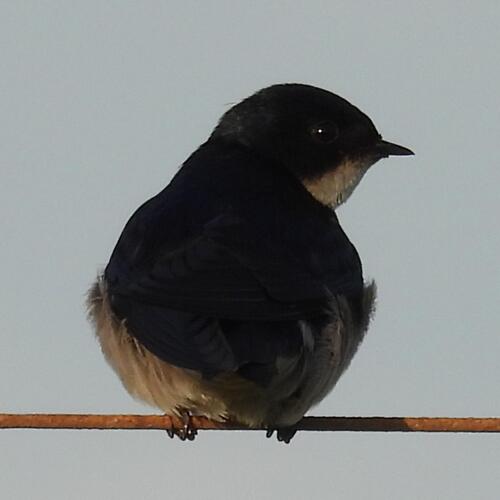 Golondrina Perlada
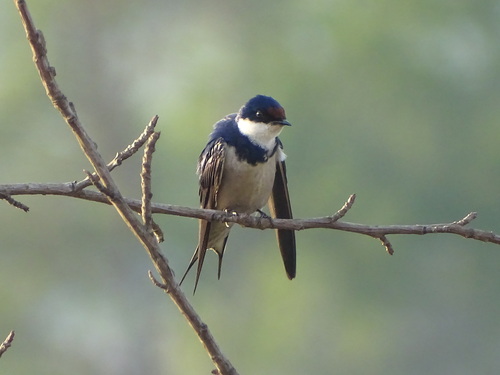 Golondrina Gorjiblanca
En breve
La marca de campo más confiable para separar la Golondrina Perlada de la Golondrina Gorjiblanca es la presencia o ausencia de blanco en la cola: la Golondrina Gorjiblanca muestra parches blancos obvios cerca de las puntas de las plumas de la cola inferior, mientras que la Golondrina Perlada tiene una cola uniformemente oscura sin blanco. Además, la Golondrina Gorjiblanca tiene una garganta blanca llamativa, claramente dividida de las partes inferiores por una banda de pecho oscura y una corona castaña brillante, mientras que la Golondrina Perlada carece tanto de la banda de pecho como de la corona castaña, y tiene partes inferiores más uniformemente gris-blancas. Las aves juveniles de ambas especies son más apagadas y tienen colas más cortas, pero las diferencias en el patrón de la cola y la garganta siguen siendo útiles. Ambas especies son pequeñas golondrinas azules brillantes con un estilo de vuelo similar, pero la Golondrina Gorjiblanca es ligeramente más grande y es más probable que se vea alrededor de puentes y represas.
Consejos de identificación
- Verifique si hay blanco en la cola: La Golondrina Gorjiblanca siempre muestra parches blancos cerca de las puntas de las plumas de la cola inferior, visibles en vuelo y a menudo cuando está posada. La cola de la Golondrina Perlada es uniformemente oscura sin blanco; esta es la marca más confiable para todas las edades y estaciones.
- Busque una banda de pecho: La Golondrina Gorjiblanca tiene una banda de pecho bien definida de color azul-negro oscuro que separa la garganta blanca de las partes inferiores gris-blancas. La Golondrina Perlada carece de cualquier banda de pecho; sus partes inferiores son más uniformemente gris-blancas.
- Note el color de la garganta: La Golondrina Gorjiblanca tiene una garganta blanca brillante que destaca contra la banda de pecho más oscura y la corona. La garganta de la Golondrina Perlada no es distintivamente blanca y se mezcla con el resto de las partes inferiores.
- Color de la corona: La Golondrina Gorjiblanca adulta tiene una corona castaña brillante, en contraste con la espalda azul y la garganta blanca. La Golondrina Perlada carece de cualquier castaño en la corona; su cabeza es azul brillante como la espalda.
- Marcas juveniles: La Golondrina Gorjiblanca juvenil es más apagada, con una corona más marrón y cola más corta, pero aún muestra la garganta blanca y la banda de pecho. La Golondrina Perlada juvenil es más apagada y marrón en general, con una cara simple y sin banda de pecho o garganta blanca.
- Cubiertas de las alas inferiores: Ambas especies tienen cubiertas de alas inferiores grisáceas o gris-blancas, pero las de la Golondrina Perlada son de un tono más oscuro que sus partes inferiores. Esto es sutil y no es una marca de campo primaria.
- Forma de la cola: Ambas especies tienen colas ahorquilladas, con los machos teniendo plumas exteriores más largas. La forma de la cola no es un separador fuerte, pero la presencia o ausencia de blanco sí lo es.
- Tamaño: La Golondrina Gorjiblanca es ligeramente más grande (14–17 cm frente a 13–14 cm), pero esto rara vez es diagnóstico en el campo a menos que se vean una al lado de la otra.
- Contexto del hábitat: Si se ve al ave anidando o posándose en un puente o represa, es más probable que sea una Golondrina Gorjiblanca, aunque no exclusivamente.
- Estilo de vuelo: Ambas especies tienen un vuelo similar, rápido y ágil; el estilo de vuelo no es un separador.
- Vocalizaciones: Solo se describe a la Golondrina Gorjiblanca como capaz de emitir trinos y gorjeos, pero esto no es una marca de campo fuerte sin más información.
- Diferencias sexuales: En ambas especies, los machos tienen plumas exteriores de cola ligeramente más largas, pero esto no es una marca de campo práctica para la separación.
- Variación estacional: No se describen diferencias de plumaje estacionales fuertes para ninguna de las especies; las marcas principales son consistentes durante todo el año.
- Trampas de plumaje: Tenga cuidado con los juveniles apagados, que pueden oscurecer los colores de la corona y la garganta, pero la presencia o ausencia de la banda de pecho y el blanco en la cola sigue siendo confiable.
- Cuando tenga dudas: Concéntrese en el patrón de la cola y la combinación de garganta/banda de pecho; estas son las diferencias más consistentes y visibles en todas las edades.
Tamaño
La Golondrina Gorjiblanca es ligeramente más grande, midiendo 14–17 cm de longitud, en comparación con los 13–14 cm de la Golondrina Perlada. Ambas tienen proporciones de golondrina delgadas similares, pero la diferencia puede ser sutil en el campo. Las plumas exteriores de la cola son algo más largas en los machos de ambas especies, pero este no es un punto de separación fuerte. En general, el tamaño por sí solo no es una marca de campo confiable, pero la Golondrina Gorjiblanca puede parecer un poco más larga y robusta, especialmente cuando está posada.
Plumaje
- Juveniles e inmaduros: Los juveniles de ambas especies son más apagados y marrones que los adultos, con plumas exteriores de cola más cortas. Sin embargo, incluso en aves jóvenes, la Golondrina Gorjiblanca muestra una corona más marrón y una garganta blanca separada de las partes inferiores por una banda de pecho oscura, mientras que los juveniles de la Golondrina Perlada carecen tanto de la corona castaña como de la banda de pecho, y tienen un vientre más uniforme y gris-blanco.
- Adultos: La Golondrina Perlada tiene partes superiores azules brillantes, partes inferiores gris-blancas y una cola ahorquillada uniformemente oscura, de color azul-negro, sin blanco. Las cubiertas de las alas inferiores son de un tono más oscuro de gris-blanco. La Golondrina Gorjiblanca tiene partes superiores de color azul oscuro brillante, una corona castaña brillante, una garganta blanca claramente dividida de las partes inferiores por una banda de pecho azul-negro oscuro, y parches blancos cerca de las puntas de las plumas de la cola inferior. Las partes inferiores y las cubiertas de las alas inferiores son gris-blancas, pero la garganta es distintivamente blanca y destaca debido a la banda de pecho. Estas diferencias son visibles tanto en vuelo como cuando están posadas.
Comportamiento
Ambas especies son insectívoras aéreas con estilos de vuelo similares: rápidos, ágiles y a menudo bajos sobre el agua o el suelo abierto. No se ha notado una diferencia de comportamiento fuerte en las fuentes, aunque es más probable que se vea a la Golondrina Gorjiblanca posándose en estructuras artificiales como puentes y represas debido a su adaptación a paisajes alterados por humanos.
Hábitat
La Golondrina Gorjiblanca es común en el sur de África y se ha adaptado bien a anidar en puentes y represas, lo que la hace más probable de ser vista en áreas con infraestructura humana. La Golondrina Perlada también se encuentra en el sur de África, pero está menos asociada con estructuras artificiales. Ambas pueden ocurrir en campo abierto, pero la presencia de puentes o represas favorece a la Golondrina Gorjiblanca.
Voz
La Golondrina Gorjiblanca emite una mezcla de trinos y gorjeos. No se describe ninguna vocalización distintiva para la Golondrina Perlada en las notas proporcionadas, por lo que la voz no es un punto de separación confiable según la información actual.
Golondrina Perlada · Golondrina Gorjiblanca · Mis aves difíciles