

Roodstaartdoornsnavel vs Kaap-Leeuwindoornsnavel
Acanthiza uropygialis versus Acanthiza inornata
Speel een quiz met Roodstaartdoornsnavel en Kaap-Leeuwindoornsnavel
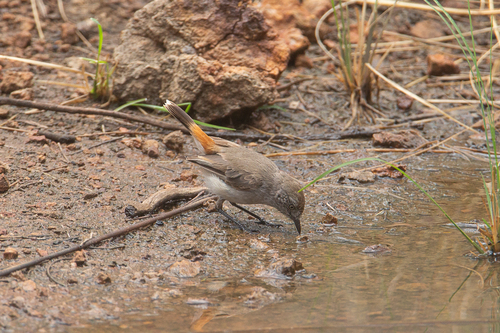 Roodstaartdoornsnavel
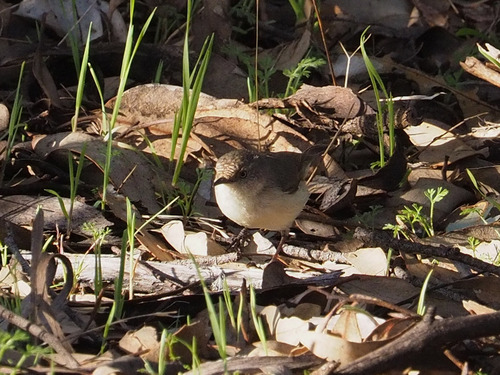 Kaap-Leeuwindoornsnavel
Kort gezegd
Het enige meest betrouwbare veldkenmerk om Roodstaartdoornsnavel van Kaap-Leeuwindoornsnavel te scheiden, is de aanwezigheid van een rijke kastanjebruine staartvlek op Roodstaartdoornsnavel, die altijd afwezig is bij Kaap-Leeuwindoornsnavel. Beide soorten zijn kleine, eenvoudige doornsnavels met lichte onderdelen en een vergelijkbare structuur, maar Roodstaartdoornsnavel toont een duidelijk gekleurde staart en een voornamelijk zwarte staart met lichte punten, terwijl Kaap-Leeuwindoornsnavel over het algemeen meer uniform bruin-grijs is zonder enige kastanjebruine staart. Juveniele Roodstaartdoornsnavels hebben een doffere, eenvoudigere kop en buff—niet witte—staartpunten, maar tonen nog steeds een kastanjebruine staart, waardoor dit kenmerk nuttig is voor alle leeftijden. In het zuidwesten van Australië, waar beide kunnen voorkomen, controleer altijd de kleur van de staart wanneer de vogel zijn staart opsteekt of in de vlucht is, aangezien structuur en algemene kleur misleidend kunnen zijn.
Herkenningstips
- Staartkleur is de sleutel: Kijk altijd naar een rijke kastanjebruine of roestkleurige vlek aan de basis van de rug (staart) op Roodstaartdoornsnavel. Dit is zichtbaar wanneer de vogel zijn staart opsteekt, in de vlucht, of wanneer hij zit met de staart iets omhoog. Kaap-Leeuwindoornsnavel toont nooit een roestkleurige staart—zijn rug en staart zijn dezelfde bruin-grijze kleur.
- Staartpatroon: Roodstaartdoornsnavel heeft een voornamelijk zwarte staart met lichte punten (wit bij volwassenen, buff bij juvenielen). Kaap-Leeuwindoornsnavel's staart is eenvoudig bruinachtig en mist sterke contrast.
- Juveniele kenmerken: Zelfs jonge Roodstaartdoornsnavels tonen een kastanjebruine staart en buff staartpunten. Juvenielen van Kaap-Leeuwindoornsnavel blijven eenvoudig en missen enige roestkleurige of kastanjebruine tinten.
- Algemene kleur: Kaap-Leeuwindoornsnavel is meer uniform bruin-grijs boven en onder, met een romige lichte onderbuik. Roodstaartdoornsnavel is lichter boven, met een witter onderlichaam en een contrasterende staart.
- Koppatroon: Roodstaartdoornsnavel kan een roestkleurige verzadiging op het voorhoofd en de kroon en lichte gemêleerde oorbedekking tonen. De kop van Kaap-Leeuwindoornsnavel is eenvoudig grijsbruin zonder roestkleur of gemêleerdheid.
- Iris kleur: Beide soorten hebben lichte irissen; gebruik dit niet voor scheiding.
- Grootte en structuur: Beide zijn vergelijkbaar in grootte en vorm; vertrouw niet op grootte in het veld.
- Gedrag: Beide zijn actief, rusteloos, en kunnen zich bij gemengde groepen voegen. Roodstaartdoornsnavel is waarschijnlijker te zien terwijl hij op de grond huppelt, maar dit is niet exclusief.
- Habitatcontext: In het zuidwesten van Australië is Kaap-Leeuwindoornsnavel de standaard in nattere bossen en kuststruweel, terwijl Roodstaartdoornsnavel de voorkeur geeft aan drogere, meer open habitats. Echter, overlap kan voorkomen.
- Vluchtzicht: In de vlucht is de kastanjebruine staart van Roodstaartdoornsnavel vaak opvallend; Kaap-Leeuwindoornsnavel toont geen dergelijk contrast.
- Seizoen en geslacht: Beide soorten zijn seksueel monomorf en tonen geen seizoensgebonden verenkleedverandering; alle veldkenmerken zijn het hele jaar door van toepassing en op beide geslachten.
- Vocalisaties: Roodstaartdoornsnavel kan andere vogels imiteren; als je imitatie hoort, overweeg dan deze soort, maar anders zijn de roepen niet diagnostisch.
- Valstrikken: In slecht licht of op afstand kan de kastanjebruine staart dof lijken of verborgen zijn door opgevouwen vleugels. Probeer altijd de vogel van achteren of in de vlucht te zien voor bevestiging.
- Geografisch bereik: Als je buiten het zuidwesten van Australië bent, is de kans klein dat je Kaap-Leeuwindoornsnavel tegenkomt. In het zuidwesten kunnen beide voorkomen, dus zorgvuldige controle is nodig.
- Gemengde groepen: Beide soorten kunnen zich bij gemengde doornsnavelgroepen voegen; controleer elk individu op staartkleur om te voorkomen dat je een Roodstaartdoornsnavel tussen Kaap-Leeuwindoornsnavels mist.
Grootte
Beide soorten zijn zeer vergelijkbaar in grootte en gewicht. Roodstaartdoornsnavel heeft een gemiddelde lengte van ongeveer 9–11 cm met een spanwijdte van 14–16,5 cm en een gewicht van ongeveer 6 g [wikipedia]. Kaap-Leeuwindoornsnavel is gemiddeld iets kleiner (8–10 cm, 6–8 g), maar dit verschil is subtiel en niet betrouwbaar in het veld. Beide zijn gemiddeld van grootte voor het geslacht en overlappen uitgebreid in metingen.
Verenkleed
- Juvenielen en onvolwassenen: Juveniele Roodstaartdoornsnavel lijkt op volwassenen maar is eenvoudiger, met een doffer koppatroon en buff staartpunten. Kritisch is dat zelfs jonge vogels de kastanjebruine staart behouden, hoewel deze iets lichter kan zijn bij vogels uit het binnenland. Juvenielen van Kaap-Leeuwindoornsnavel worden niet in detail beschreven, maar er is nooit een roestkleurige staart aanwezig op enige leeftijd.
- Volwassenen: Roodstaartdoornsnavel toont een licht grijsbruin bovenlichaam, een rijke kastanjebruine staart, voornamelijk zwarte staart met lichte punten, lichte gemêleerde oorbedekking, en een witachtig onderlichaam. Kaap-Leeuwindoornsnavel is over het algemeen eenvoudiger, met een grijsbruin pet en rug, romige lichte onderbuik, en een meer uniforme bruinachtige tint. De staart is altijd gelijk van kleur met de rug—nooit kastanjebruin of roestkleurig.
- Staart: Roodstaartdoornsnavel heeft een voornamelijk zwarte staart met lichte punten (wit bij volwassenen, buff bij juvenielen); de staart van Kaap-Leeuwindoornsnavel wordt niet specifiek beschreven maar mist het zwart-witcontrast en is over het algemeen bruinachtig.
- Iris: Beide soorten hebben lichte irissen, dus dit is geen nuttige scheider.
Gedrag
Beide soorten zijn actief en rusteloos, foeragerend in struiken en bomen, vaak snel bewegend door het loof en lage takken. Roodstaartdoornsnavel staat bekend om zijn sociale gedrag, vaak in kleine groepen of gemengde soorten, en huppelt vaak op de grond op zoek naar voedsel tussen het puin. Het gedrag van Kaap-Leeuwindoornsnavel wordt niet in detail beschreven, maar als een typische doornsnavel deelt het waarschijnlijk veel van deze kenmerken. De vlucht van beide is in lage, golvende sprongetjes tussen dekking. Gedragsverschillen zijn subtiel en niet betrouwbaar voor scheiding.
Habitat
Roodstaartdoornsnavel is wijdverspreid in het binnenland van Australië, ten westen van de Great Dividing Range tot de West-Australische kust, maar is afwezig in het verre noorden en het vochtige zuidwesten. Kaap-Leeuwindoornsnavel is beperkt tot het zuidwesten van Australië, met een voorkeur voor open bossen (karri- en jarrahbossen), tuinen, en kuststruweel. In het zuidwesten is Roodstaartdoornsnavel minder gebruikelijk en waarschijnlijker in drogere, open habitats, terwijl Kaap-Leeuwindoornsnavel de standaard doornsnavel is in nattere bossen en kuststruweel. Echter, de verspreidingsgebieden kunnen overlappen in overgangsgebieden, dus alleen habitat is niet diagnostisch.
Geluid
Roodstaartdoornsnavel heeft een doordringend, ver dragend lied van herhaalde zinnen en staat bekend om het imiteren van andere vogels. Er is geen specifieke vocale beschrijving gegeven voor Kaap-Leeuwindoornsnavel, maar beide soorten hebben waarschijnlijk typische doornsnavelroepen—hoog en tinkelend. De stem is geen betrouwbare scheider tenzij de imitatie van Roodstaartdoornsnavel wordt herkend.
Roodstaartdoornsnavel · Kaap-Leeuwindoornsnavel · Mijn lastige vogels