

Acantiza Culirroja vs Acantiza Sencilla
Acanthiza uropygialis frente a Acanthiza inornata
Juega un quiz con Acantiza Culirroja y Acantiza Sencilla
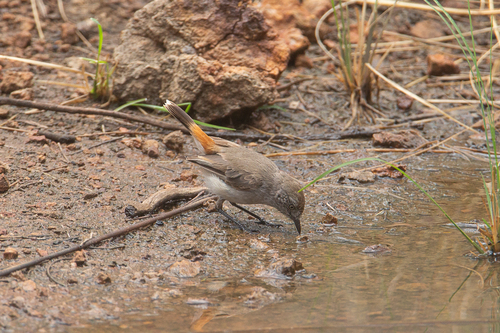 Acantiza Culirroja
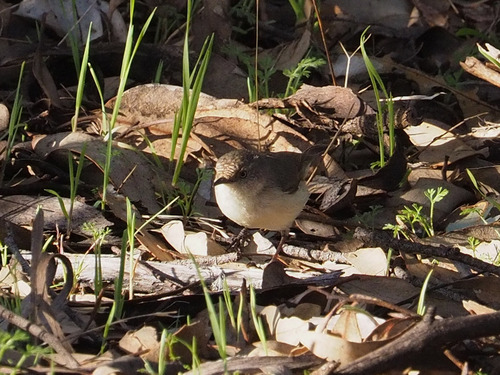 Acantiza Sencilla
En breve
La marca de campo más confiable para separar la Acantiza Culirroja de la Acantiza Sencilla es la presencia de un parche de rabadilla castaño rico en la Acantiza Culirroja, que siempre está ausente en la Acantiza Sencilla. Ambas especies son pequeñas, sencillas acantizas con partes inferiores pálidas y estructura similar, pero la Acantiza Culirroja muestra una rabadilla de color distintivo y una cola mayormente negra con puntas pálidas, mientras que la Acantiza Sencilla es en general más uniformemente marrón-grisácea sin ninguna rabadilla rubia. Las Acantizas Culirrojas juveniles tienen una cabeza más apagada y sencilla y puntas de cola color canela—no blancas—, pero aún muestran una rabadilla castaña, lo que hace que esta marca sea útil en todas las edades. En el suroeste de Australia, donde ambas pueden ocurrir, siempre verifica el color de la rabadilla cuando el ave mueve su cola o está en vuelo, ya que la estructura y la coloración general pueden ser engañosas.
Consejos de identificación
- El color de la rabadilla es clave: Siempre busca un parche castaño rico o rubio en la base de la espalda (rabadilla) de la Acantiza Culirroja. Esto es visible cuando el ave mueve su cola, en vuelo, o cuando está posada con la cola ligeramente levantada. La Acantiza Sencilla nunca muestra una rabadilla rubia—su espalda y rabadilla son del mismo marrón-grisáceo.
- Patrón de la cola: La Acantiza Culirroja tiene una cola mayormente negra con puntas pálidas (blancas en adultos, canela en juveniles). La cola de la Acantiza Sencilla es marrón sencilla y carece de un fuerte contraste.
- Marcas juveniles: Incluso las Acantizas Culirrojas jóvenes muestran una rabadilla castaña y puntas de cola canela. Los juveniles de la Acantiza Sencilla permanecen sencillos y carecen de tonos rubios o castaños.
- Coloración general: La Acantiza Sencilla es más uniformemente marrón-grisácea arriba y abajo, con un vientre pálido cremoso. La Acantiza Culirroja es más pálida arriba, con un cuerpo inferior más blanco y una rabadilla contrastante.
- Patrón de la cabeza: La Acantiza Culirroja puede mostrar una difusión rubia en la frente y la corona y cobertoras de oído moteadas pálidas. La cabeza de la Acantiza Sencilla es marrón-grisácea sencilla sin rubio ni moteado.
- Color del iris: Ambas especies tienen iris pálidos; no uses esto para la separación.
- Tamaño y estructura: Ambas son similares en tamaño y forma; no te fíes del tamaño en el campo.
- Comportamiento: Ambas son activas, inquietas, y pueden unirse a bandadas mixtas. La Acantiza Culirroja es más probable que se vea saltando en el suelo, pero esto no es exclusivo.
- Contexto del hábitat: En el suroeste de Australia, la Acantiza Sencilla es la predeterminada en bosques más húmedos y matorrales costeros, mientras que la Acantiza Culirroja prefiere hábitats más secos y abiertos. Sin embargo, puede haber superposición.
- Vistas en vuelo: En vuelo, la rabadilla castaña de la Acantiza Culirroja es a menudo conspicua; la Acantiza Sencilla no muestra tal contraste.
- Temporada y sexo: Ambas especies son sexualmente monomórficas y no muestran cambios estacionales en el plumaje; todas las marcas de campo se aplican durante todo el año y a ambos sexos.
- Vocalizaciones: La Acantiza Culirroja puede imitar a otras aves; si escuchas imitación, considera esta especie, pero de lo contrario, los llamados no son diagnósticos.
- Trampas: En luz pobre o a distancia, la rabadilla castaña puede parecer apagada o estar oculta por alas plegadas. Siempre intenta ver al ave desde atrás o en vuelo para confirmación.
- Rango geográfico: Si estás fuera del suroeste de Australia, es poco probable que encuentres a la Acantiza Sencilla. En el suroeste, ambas pueden ocurrir, por lo que se necesita una verificación cuidadosa.
- Bandadas mixtas: Ambas especies pueden unirse a bandadas mixtas de acantizas; verifica cada individuo por el color de la rabadilla para evitar perder una Acantiza Culirroja entre las Sencillas.
Tamaño
Ambas especies son muy similares en tamaño y peso. La Acantiza Culirroja promedia aproximadamente 9–11 cm de longitud con una envergadura de 14–16.5 cm y un peso de alrededor de 6 g [wikipedia]. La Acantiza Sencilla es ligeramente más pequeña en promedio (8–10 cm, 6–8 g), pero esta diferencia es sutil y no confiable en el campo. Ambas son de tamaño mediano para el género y se superponen extensamente en medidas.
Plumaje
- Juveniles e inmaduros: Las Acantizas Culirrojas juveniles se asemejan a los adultos pero son más sencillas, con un patrón de cabeza más apagado y puntas de cola canela. Críticamente, incluso los jóvenes retienen la rabadilla castaña, aunque puede ser ligeramente más pálida en aves del interior. Las Acantizas Sencillas juveniles no se describen en detalle, pero nunca hay una rabadilla rubia presente a ninguna edad.
- Adultos: La Acantiza Culirroja muestra un cuerpo superior gris-marrón pálido, una rabadilla castaña rica, cola mayormente negra con puntas pálidas, cobertoras de oído moteadas pálidas y un cuerpo inferior blanquecino. La Acantiza Sencilla es más sencilla en general, con una cabeza y espalda marrón-grisáceo, vientre pálido cremoso y un tono marrón más uniforme. La rabadilla siempre es del mismo color que la espalda—nunca castaña o rubia.
- Cola: La Acantiza Culirroja tiene una cola mayormente negra con puntas pálidas (blancas en adultos, canela en juveniles); la cola de la Acantiza Sencilla no se describe específicamente pero carece del contraste blanco y negro y es generalmente marrón.
- Iris: Ambas especies tienen iris pálidos, por lo que esto no es un separador útil.
Comportamiento
Ambas especies son activas e inquietas, buscando alimento en arbustos y árboles, a menudo moviéndose rápidamente a través del follaje y ramas bajas. La Acantiza Culirroja es conocida por ser gregaria, a menudo en pequeñas bandadas o grupos de especies mixtas, y frecuentemente salta en el suelo buscando entre los escombros. El comportamiento de la Acantiza Sencilla no se describe en detalle, pero como una acantiza típica, probablemente comparta mucho de este comportamiento. El vuelo de ambas es en dashes bajos y ondulantes entre la cobertura. Las diferencias de comportamiento son sutiles y no confiables para la separación.
Hábitat
La Acantiza Culirroja está ampliamente distribuida por el interior de Australia, al oeste de la Gran Cordillera Divisoria hasta la costa de Australia Occidental, pero está ausente en el extremo norte y suroeste húmedo. La Acantiza Sencilla está restringida al suroeste de Australia, favoreciendo bosques abiertos (bosques de karri y jarrah), jardines y matorrales costeros. En el suroeste, la Acantiza Culirroja es menos común y más probable en hábitats secos y abiertos, mientras que la Acantiza Sencilla es la acantiza predeterminada en bosques más húmedos y matorrales costeros. Sin embargo, los rangos pueden superponerse en zonas de transición, por lo que el hábitat por sí solo no es diagnóstico.
Voz
La Acantiza Culirroja tiene una canción penetrante y de largo alcance de frases repetidas y se sabe que imita a otras aves. No se proporciona una descripción vocal específica para la Acantiza Sencilla, pero es probable que ambas especies tengan llamados típicos de acantiza—agudos y tintineantes. La voz no es un separador confiable a menos que se reconozca la imitación de la Acantiza Culirroja.