

Chestnut-rumped Thornbill vs Western Thornbill
Acanthiza uropygialis contro Acanthiza inornata
Fai un quiz con Chestnut-rumped Thornbill e Western Thornbill
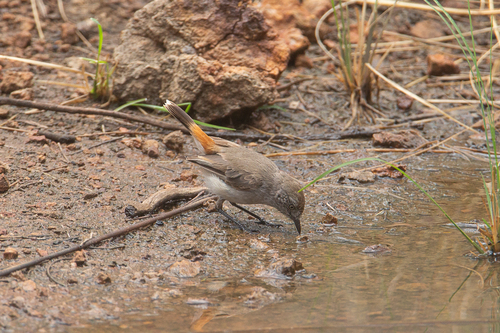 Chestnut-rumped Thornbill
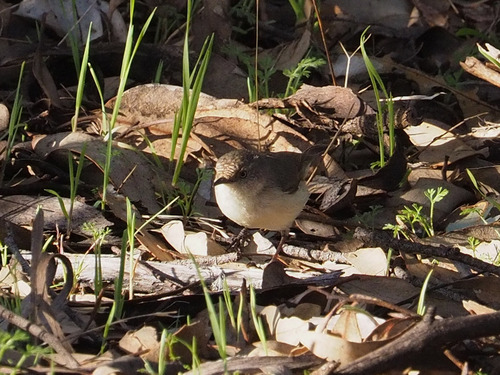 Western Thornbill
In breve
Il segno distintivo più affidabile per separare il Chestnut-rumped Thornbill dal Western Thornbill è la presenza di una ricca macchia di ruggine sulla parte posteriore sul Chestnut-rumped Thornbill, che è sempre assente nel Western Thornbill. Entrambe le specie sono piccoli thornbill semplici con parti inferiori chiare e struttura simile, ma il Chestnut-rumped Thornbill mostra una parte posteriore di colore distintivo e una coda per lo più nera con punte chiare, mentre il Western Thornbill è complessivamente di un grigio-bruno più uniforme senza alcuna parte posteriore rugginosa. I giovani Chestnut-rumped Thornbills hanno una testa più opaca e semplice e punte di coda color crema—non bianche—ma mostrano comunque una parte posteriore rugginosa, rendendo questo segno utile in tutte le età. Nel sud-ovest dell'Australia, dove entrambe le specie possono verificarsi, controlla sempre il colore della parte posteriore quando l'uccello muove la coda o in volo, poiché la struttura e la colorazione generale possono essere fuorvianti.
Consigli di identificazione
- Il colore della parte posteriore è fondamentale: Controlla sempre la presenza di una ricca macchia di ruggine o castagna alla base della schiena (parte posteriore) sul Chestnut-rumped Thornbill. Questo è visibile quando l'uccello muove la coda, in volo, o quando è posato con la coda leggermente sollevata. Il Western Thornbill non mostra mai una parte posteriore rugginosa—la sua schiena e parte posteriore sono dello stesso grigio-bruno.
- Schema della coda: Il Chestnut-rumped Thornbill ha una coda per lo più nera con punte chiare (bianche negli adulti, color crema nei giovani). La coda del Western Thornbill è semplicemente bruna e manca di un forte contrasto.
- Segni giovanili: Anche i giovani Chestnut-rumped Thornbills mostrano una parte posteriore rugginosa e punte di coda color crema. I giovani Western Thornbill rimangono semplici e privi di toni rugginosi o castani.
- Colorazione generale: Il Western Thornbill è più uniformemente grigio-bruno sopra e sotto, con un ventre chiaro e cremoso. Il Chestnut-rumped Thornbill è più chiaro sopra, con un corpo inferiore più bianco e una parte posteriore contrastante.
- Schema della testa: Il Chestnut-rumped Thornbill può mostrare una sfumatura rugginosa sulla fronte e sulla corona e copritesta maculati chiari. La testa del Western Thornbill è semplicemente grigio-bruna senza sfumature rugginose o maculature.
- Colore dell'iride: Entrambe le specie hanno iridi chiare; non utilizzare questo per la separazione.
- Dimensioni e struttura: Entrambe sono simili in dimensioni e forma; non fare affidamento sulle dimensioni sul campo.
- Comportamento: Entrambe sono attive, irrequiete, e possono unirsi a stormi misti. Il Chestnut-rumped Thornbill è più probabile da vedere saltellare a terra, ma questo non è esclusivo.
- Contesto dell'habitat: Nel sud-ovest dell'Australia, il Western Thornbill è il default nelle foreste più umide e nel sottobosco costiero, mentre il Chestnut-rumped Thornbill preferisce habitat più secchi e aperti. Tuttavia, può verificarsi sovrapposizione.
- Viste in volo: In volo, la parte posteriore rugginosa del Chestnut-rumped Thornbill è spesso evidente; il Western Thornbill mostra nessun contrasto simile.
- Stagione e sesso: Entrambe le specie sono sessualmente monomorfiche e non mostrano cambiamenti di piumaggio stagionali; tutti i segni sul campo si applicano tutto l'anno e a entrambi i sessi.
- Vocalizzazioni: Il Chestnut-rumped Thornbill può imitare altri uccelli; se senti un'imitazione, considera questa specie, ma altrimenti, i richiami non sono diagnostici.
- Trappole: In scarsa illuminazione o a distanza, la parte posteriore rugginosa può apparire opaca o essere nascosta da ali ripiegate. Prova sempre a vedere l'uccello da dietro o in volo per conferma.
- Gamma geografica: Se ti trovi al di fuori del sud-ovest dell'Australia, è improbabile che tu incontri il Western Thornbill. Nel sud-ovest, entrambe le specie possono verificarsi, quindi è necessaria una verifica attenta.
- Stormi misti: Entrambe le specie possono unirsi a stormi misti di thornbill; controlla ogni individuo per il colore della parte posteriore per evitare di perdere un Chestnut-rumped tra i Western.
Taglia
Entrambe le specie sono molto simili in dimensioni e peso. Il Chestnut-rumped Thornbill misura in media circa 9–11 cm di lunghezza con un'apertura alare di 14–16,5 cm e un peso di circa 6 g [wikipedia]. Il Western Thornbill è leggermente più piccolo in media (8–10 cm, 6–8 g), ma questa differenza è sottile e non affidabile sul campo. Entrambi sono di dimensioni medie per il genere e si sovrappongono ampiamente nelle misurazioni.
Piumaggio
- Giovani e immaturi: I giovani Chestnut-rumped Thornbill assomigliano agli adulti ma sono più semplici, con un modello di testa più opaco e punte di coda color crema. Criticamente, anche i giovani uccelli mantengono la parte posteriore rugginosa, anche se può essere leggermente più chiara negli uccelli dell'entroterra. I giovani Western Thornbill non sono descritti in dettaglio, ma non è mai presente una parte posteriore rugginosa a qualsiasi età.
- Adulti: Il Chestnut-rumped Thornbill mostra un corpo superiore grigio-bruno chiaro, una parte posteriore rugginosa, una coda per lo più nera con punte chiare, copritesta maculati chiari e un corpo inferiore biancastro. Il Western Thornbill è complessivamente più semplice, con un cappello e una schiena grigio-bruno, un ventre chiaro e cremoso e una tinta bruna più uniforme. La parte posteriore è sempre dello stesso colore della schiena—mai rugginosa o castagna.
- Coda: Il Chestnut-rumped Thornbill ha una coda per lo più nera con punte chiare (bianche negli adulti, color crema nei giovani); la coda del Western Thornbill non è specificamente descritta ma manca del contrasto bianco e nero ed è generalmente bruna.
- Iride: Entrambe le specie hanno iridi chiare, quindi questo non è un separatore utile.
Comportamento
Entrambe le specie sono attive e irrequiete, foraggiando in arbusti e alberi, spesso muovendosi rapidamente attraverso il fogliame e i rami bassi. Il Chestnut-rumped Thornbill è noto per essere gregario, spesso in piccoli stormi o gruppi di specie miste, e salta frequentemente a terra cercando tra i detriti. Il comportamento del Western Thornbill non è descritto in dettaglio, ma come un tipico thornbill, probabilmente condivide gran parte di questo comportamento. Il volo per entrambe le specie avviene in rapidi dashes bassi tra la copertura. Le differenze comportamentali sono sottili e non affidabili per la separazione.
Habitat
Il Chestnut-rumped Thornbill è diffuso in tutta l'Australia interna, a ovest della Great Dividing Range fino alla costa dell'Australia Occidentale, ma è assente nel far nord e nel sud-ovest umido. Il Western Thornbill è ristretto al sud-ovest dell'Australia, preferendo boschi aperti (foreste di karri e jarrah), giardini e sottobosco costiero. Nel sud-ovest, il Chestnut-rumped Thornbill è meno comune e più probabile in habitat più secchi e aperti, mentre il Western Thornbill è il thornbill predefinito nelle foreste più umide e nel sottobosco costiero. Tuttavia, le gamme possono sovrapporsi in zone di transizione, quindi l'habitat da solo non è diagnostico.
Voce
Il Chestnut-rumped Thornbill ha un canto penetrante e che si diffonde di frasi ripetute ed è noto per imitare altri uccelli. Nessuna descrizione vocale specifica è fornita per il Western Thornbill, ma entrambe le specie probabilmente hanno richiami tipici dei thornbill—acuti e tintinnanti. La voce non è un separatore affidabile a meno che non venga riconosciuta l'imitazione del Chestnut-rumped Thornbill.
Chestnut-rumped Thornbill · Western Thornbill · I miei uccelli difficili