

Motmot

コシアカトゲハシムシクイ 対 ニシトゲハシムシクイ

Acanthiza uropygialis 対 Acanthiza inornata

コシアカトゲハシムシクイとニシトゲハシムシクイのクイズ
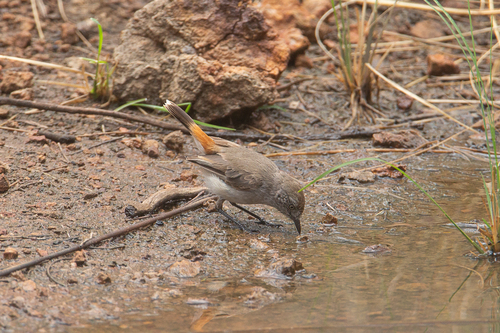
コシアカトゲハシムシクイ (Acanthiza uropygialis) コシアカトゲハシムシクイ
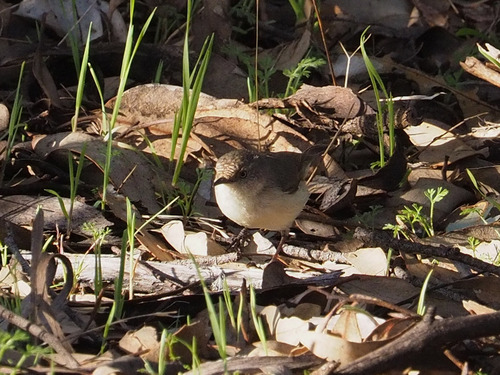
ニシトゲハシムシクイ (Acanthiza inornata) ニシトゲハシムシクイ

メディア

読み込み中…

要点

コシアカトゲハシムシクイとニシトゲハシムシクイを区別するための最も信頼できるフィールドマークは、コシアカトゲハシムシクイに見られる豊かな栗色の尾羽の斑点の存在であり、これはニシトゲハシムシクイには常に見られません。両種は小型で地味なトゲハシムシクイで、淡い腹部と似た構造を持っていますが、コシアカトゲハシムシクイは明確に色のついた尾羽と、淡い先端を持つほぼ黒い尾を示します。一方、ニシトゲハシムシクイは全体的に均一な茶灰色で、赤褐色の尾羽はありません。幼鳥のコシアカトゲハシムシクイは、鈍い、地味な頭部と白ではなくバフ色の尾羽の先端を持っていますが、それでも栗色の尾羽を示し、このマークはすべての年齢において有用です。両種が発生する南西オーストラリアでは、鳥が尾を振ったり飛んだりする際に尾羽の色を常に確認してください。構造と一般的な色合いは誤解を招く可能性があります。

識別のコツ

  1. 尾羽の色が重要: コシアカトゲハシムシクイの背中(尾羽)の基部に豊かな栗色または赤褐色の斑点を常に探してください。これは、鳥が尾を振ったり、飛んだり、尾を少し上げて止まっているときに見えます。ニシトゲハシムシクイは赤褐色の尾羽を決して示しません—その背中と尾羽は同じ茶灰色です。
  2. 尾の模様: コシアカトゲハシムシクイは、淡い先端を持つほぼ黒い尾を持っています(成鳥は白、幼鳥はバフ色)。ニシトゲハシムシクイの尾は地味な茶色で、強いコントラストがありません。
  3. 幼鳥のマーク: 幼いコシアカトゲハシムシクイでも栗色の尾羽とバフ色の尾羽の先端を示します。ニシトゲハシムシクイの幼鳥は地味で、赤褐色や栗色の色合いはありません。
  4. 全体の色合い: ニシトゲハシムシクイは上部と下部がより均一に茶灰色で、クリーミーな淡い腹部を持っています。コシアカトゲハシムシクイは上部がより淡く、白い下半身と対照的な尾羽を持っています。
  5. 頭の模様: コシアカトゲハシムシクイは、額と冠に赤褐色の色合いと淡い斑点のある耳羽を示すことがあります。ニシトゲハシムシクイの頭部は地味な灰褐色で、赤褐色や斑点はありません。
  6. 虹彩の色: 両種とも淡い虹彩を持っており、これを区別に使用しないでください。
  7. サイズと構造: 両者はサイズと形状が似ており、フィールドでサイズに頼らないでください。
  8. 行動: 両者は活発で落ち着きがなく、混合した群れに参加することがあります。コシアカトゲハシムシクイは地面を跳ね回っているのが見られる可能性が高いですが、これは独占的ではありません。
  9. 生息地の文脈: 南西オーストラリアでは、ニシトゲハシムシクイは湿った森林や沿岸の低木でデフォルトですが、コシアカトゲハシムシクイはより乾燥した、開けた生息地を好みます。ただし、重複が発生することがあります。
  10. 飛行の視点: 飛行中、コシアカトゲハシムシクイの栗色の尾羽はしばしば目立ちますが、ニシトゲハシムシクイはそのようなコントラストを示しません。
  11. 季節と性別: 両種は性的に単形で、季節ごとの羽毛の変化はありません。すべてのフィールドマークは年間を通じて適用され、両性に当てはまります。
  12. 鳴き声: コシアカトゲハシムシクイは他の鳥を模倣することがあります。模倣を聞いた場合はこの種を考慮してくださいが、そうでなければ鳴き声は診断的ではありません。
  13. 落とし穴: 照明が悪い場合や距離がある場合、栗色の尾羽は鈍く見えるか、折りたたまれた翼に隠れることがあります。常に鳥を後ろから見るか、飛行中に確認してください。
  14. 地理的範囲: 南西オーストラリアの外にいる場合、ニシトゲハシムシクイに出会う可能性は低いです。南西部では両者が発生する可能性があるため、注意深い確認が必要です。
  15. 混合群れ: 両種は混合トゲハシムシクイの群れに参加することがあります。ニシトゲハシムシクイの中にコシアカトゲハシムシクイを見逃さないように、すべての個体の尾羽の色を確認してください。

大きさ

両種はサイズと体重が非常に似ています。コシアカトゲハシムシクイは平均して約9〜11 cmの長さで、翼幅は14〜16.5 cm、体重は約6 gです [wikipedia]。ニシトゲハシムシクイは平均してやや小さく(8〜10 cm、6〜8 g)、この違いは微妙でフィールドでは信頼できません。両者は属の中で中型であり、測定値で広く重複しています。

羽色

行動

両種は活発で落ち着きがなく、低木や木の中で餌を探し、しばしば葉や低い枝を通り抜けて素早く移動します。コシアカトゲハシムシクイは社交的で、小さな群れや混合種のグループでよく見られ、しばしば地面を跳ね回って残骸の中を探します。ニシトゲハシムシクイの行動は詳細に記述されていませんが、典型的なトゲハシムシクイとして、これらの特徴を多く共有している可能性があります。両者の飛行は、隠れ場所の間を低く、波打つようにダッシュします。行動の違いは微妙で、区別には信頼できません。

生息環境

コシアカトゲハシムシクイはオーストラリア内陸全体に広く分布しており、グレートディバイディングレンジの西から西オーストラリアの海岸までですが、極北と湿った南西部には存在しません。ニシトゲハシムシクイは南西オーストラリアに限定され、開けた森林(カリやジャラの森林)、庭、沿岸の低木を好みます。南西部では、コシアカトゲハシムシクイはあまり一般的ではなく、より乾燥した開けた生息地にいる可能性が高いですが、ニシトゲハシムシクイは湿った森林や沿岸の低木でデフォルトのトゲハシムシクイです。ただし、範囲は移行ゾーンで重複することがあるため、生息地だけでは診断的ではありません。

声

コシアカトゲハシムシクイは、繰り返しのフレーズの penetratingで遠くまで届く歌を持ち、他の鳥を模倣することで知られています。ニシトゲハシムシクイの具体的な鳴き声の説明は提供されていませんが、両種は典型的なトゲハシムシクイの鳴き声—高音でチリンチリンとした音を持っている可能性があります。声は、コシアカトゲハシムシイの模倣が認識されない限り、信頼できる区別ではありません。

より良い説明を送る

比較と同じ項目を使ってください。文章はすぐに公開されます。

The single most reliable field mark to separate Chestnut-rumped Thornbill from Western Thornbill is the presence of a rich chestnut rump patch on Chestnut-rumped Thornbill, which is always absent in Western Thornbill. Both species are small, plain thornbills with pale underparts and similar structure, but Chestnut-rumped Thornbill shows a distinctly colored rump and a mostly black tail with pale tips, while Western Thornbill is overall more uniformly brownish-gray without any rufous rump. Juvenile Chestnut-rumped Thornbills have a duller, plainer head and buff—not white—tail tips, but still show a chestnut rump, making this mark useful across all ages. In southwestern Australia, where both may occur, always check for the rump color when the bird flicks its tail or in flight, as structure and general coloration can be misleading.

  1. Rump color is key: Always look for a rich chestnut or rufous patch at the base of the back (rump) on Chestnut-rumped Thornbill. This is visible when the bird flicks its tail, in flight, or when perched with the tail slightly raised. Western Thornbill never shows a rufous rump—its back and rump are the same brownish-gray.
  2. Tail pattern: Chestnut-rumped Thornbill has a mostly black tail with pale tips (white in adults, buff in juveniles). Western Thornbill's tail is plain brownish and lacks strong contrast.
  3. Juvenile marks: Even young Chestnut-rumped Thornbills show a chestnut rump and buff tail tips. Western Thornbill juveniles remain plain and lack any rufous or chestnut tones.
  4. Overall coloration: Western Thornbill is more uniformly brownish-gray above and below, with a creamy pale underbelly. Chestnut-rumped Thornbill is paler above, with a whiter underbody and a contrasting rump.
  5. Head pattern: Chestnut-rumped Thornbill may show a rufous suffusion on the forehead and crown and pale mottled ear-coverts. Western Thornbill's head is plain grayish-brown without rufous or mottling.
  6. Iris color: Both species have pale irises; do not use this for separation.
  7. Size and structure: Both are similar in size and shape; do not rely on size in the field.
  8. Behavior: Both are active, restless, and may join mixed flocks. Chestnut-rumped Thornbill is more likely to be seen hopping on the ground, but this is not exclusive.
  9. Habitat context: In southwestern Australia, Western Thornbill is the default in wetter forests and coastal scrub, while Chestnut-rumped Thornbill prefers drier, more open habitats. However, overlap can occur.
  10. Flight views: In flight, the chestnut rump of Chestnut-rumped Thornbill is often conspicuous; Western Thornbill shows no such contrast.
  11. Season and sex: Both species are sexually monomorphic and show no seasonal plumage change; all field marks apply year-round and to both sexes.
  12. Vocalizations: Chestnut-rumped Thornbill may mimic other birds; if you hear mimicry, consider this species, but otherwise, calls are not diagnostic.
  13. Pitfalls: In poor light or at distance, the chestnut rump can appear dull or be hidden by folded wings. Always try to see the bird from behind or in flight for confirmation.
  14. Geographic range: If you are outside southwestern Australia, you are unlikely to encounter Western Thornbill. In the southwest, both may occur, so careful checking is needed.
  15. Mixed flocks: Both species may join mixed thornbill flocks; check every individual for rump color to avoid missing a Chestnut-rumped among Westerns.

Both species are very similar in size and weight. Chestnut-rumped Thornbill averages about 9–11 cm in length with a wingspan of 14–16.5 cm and a weight of around 6 g [wikipedia]. Western Thornbill is slightly smaller on average (8–10 cm, 6–8 g), but this difference is subtle and not reliable in the field. Both are mid-sized for the genus and overlap extensively in measurements.

  • Juveniles and immatures: Chestnut-rumped Thornbill juveniles resemble adults but are plainer, with a duller head pattern and buff tail tips. Critically, even young birds retain the chestnut rump, though it may be slightly paler in inland birds. Western Thornbill juveniles are not described in detail, but no rufous rump is ever present at any age.
  • Adults: Chestnut-rumped Thornbill shows a pale grey-brown upper body, a rich chestnut rump, mostly black tail with pale tips, pale mottled ear-coverts, and a whitish underbody. Western Thornbill is plainer overall, with a grayish-brown cap and back, creamy pale underbelly, and a more uniform brownish tint. The rump is always concolorous with the back—never chestnut or rufous.
  • Tail: Chestnut-rumped Thornbill has a mostly black tail with pale tips (white in adults, buff in juveniles); Western Thornbill's tail is not specifically described but lacks the black-and-white contrast and is generally brownish.
  • Iris: Both species have pale irises, so this is not a useful separator.

Both species are active and restless, foraging in shrubs and trees, often moving briskly through foliage and low branches. Chestnut-rumped Thornbill is noted for being gregarious, often in small flocks or mixed-species groups, and frequently hops on the ground searching among debris. Western Thornbill's behavior is not described in detail, but as a typical thornbill, it likely shares much of this jizz. Flight for both is in low, undulating dashes between cover. Behavioral differences are subtle and not reliable for separation.

Chestnut-rumped Thornbill is widespread throughout inland Australia, west of the Great Dividing Range to the West Australian coast, but is absent from the far north and humid southwest. Western Thornbill is restricted to southwestern Australia, favoring open woodlands (karri and jarrah forests), gardens, and coastal scrub. In the southwest, Chestnut-rumped Thornbill is less common and more likely in drier, open habitats, while Western Thornbill is the default thornbill in wetter forests and coastal scrub. However, ranges can overlap in transitional zones, so habitat alone is not diagnostic.

Chestnut-rumped Thornbill has a penetrating, far-carrying song of repeated phrases and is known to mimic other birds. No specific vocal description is provided for Western Thornbill, but both species are likely to have typical thornbill calls—high-pitched and tinkling. Voice is not a reliable separator unless the mimicry of Chestnut-rumped Thornbill is recognized.

変更を破棄しますか?

保存していない編集があります。今離れると失われます。

コシアカトゲハシムシクイ · ニシトゲハシムシクイ · 苦手な鳥