

Roodstaartmuistimalia vs Kortstaartsluiptimalia
Malacocincla abbotti versus Gypsophila brevicaudata
Speel een quiz met Roodstaartmuistimalia en Kortstaartsluiptimalia
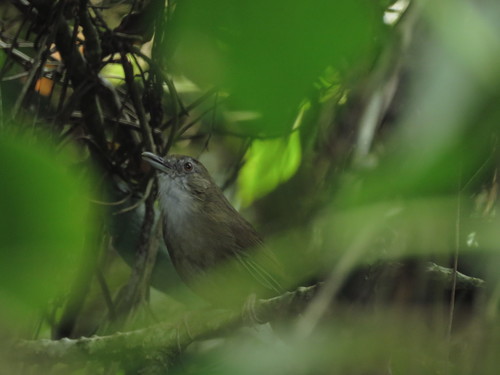 Roodstaartmuistimalia
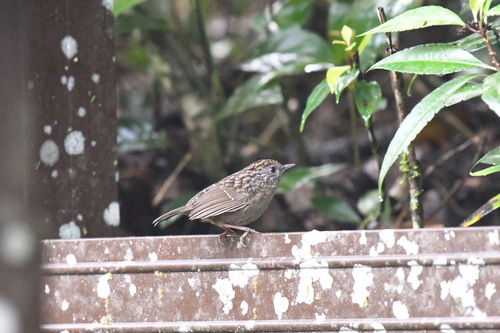 Kortstaartsluiptimalia
Kort gezegd
Het meest betrouwbare veldkenmerk om Roodstaartmuistimalia van Kortstaartsluiptimalia te scheiden, is de aanwezigheid van gedurfde strepen op de onderzijde van de Kortstaartsluiptimalia, die volledig afwezig is bij Roodstaartmuistimalia. Roodstaartmuistimalia is een saaie olijfbruine vogel met een witte keel en buikcentrum, roestkleurige onderstaart en geen strepen, terwijl Kortstaartsluiptimalia dicht gestreept is onder en boven, wat het een veel meer gemarmerde uitstraling geeft. Roodstaartmuistimalia is iets groter, met een stevigere structuur en een zwaardere snavel, en wordt meestal in paren laag in dichte ondergroei gezien. Beide soorten kunnen overlappen in verspreiding en habitat, maar hun verenkleed en structuur zijn de beste veld aanwijzingen.
Herkenningstips
- Gestreepte onderzijde: Kortstaartsluiptimalia toont altijd gedurfde strepen op de onderzijde en vaak ook boven, op alle leeftijden. Roodstaartmuistimalia is volledig ongestreept onder—dit is het enige meest betrouwbare veldkenmerk vanuit elke hoek.
- Eentonigheid vs patroon: Roodstaartmuistimalia is een eentonige, saaie olijfbruine vogel met een witte keel en buikcentrum, olijfkleurige flanken en roestkleurige onderstaartdekveren. Kortstaartsluiptimalia is veel meer gemarmerd en contrasterend, met zware strepen en geen roestkleurige vent.
- Staart en structuur: Roodstaartmuistimalia heeft een korte staart maar lijkt omvangrijker en robuuster, met een zware snavel. Kortstaartsluiptimalia is kleiner, compacter en heeft een proportioneel kortere staart en fijnere snavel.
- Jongere verwarring: Zelfs jonge Roodstaartmuistimalia, met zijn donkerder roestkleurige bruine kroon en bovenkant, mist strepen onder. Elke gestreepte jongere is Kortstaartsluiptimalia.
- Supercilium en lores: Roodstaartmuistimalia kan een bleekgrijs supercilium en lores tonen, maar deze zijn subtiel en geen sterke scheiding. Het gezicht van Kortstaartsluiptimalia is meer gemarmerd door de strepen.
- Kleur van de onderstaart: Roodstaartmuistimalia heeft heldere roestkleurige onderstaartdekveren en vent, die ontbreken bij Kortstaartsluiptimalia.
- Habitatcontext: Als het gezien wordt in secundaire groei, bosrand of verstoorde habitats, is Roodstaartmuistimalia waarschijnlijker. In dichte, ongestoorde bosinterieurs zijn beide mogelijk, maar Kortstaartsluiptimalia is typischer.
- Gedrag: Roodstaartmuistimalia is vaak in paren, foeragerend laag en soms in het open, terwijl Kortstaartsluiptimalia meer geheimzinnig is, vaak solitair of in kleine groepen, en zich in dichte dekking houdt.
- Vlucht en beweging: Roodstaartmuistimalia vliegt met moeizame vleugelslagen en verdwijnt snel in de dekking, soms hoppend weg. Kortstaartsluiptimalia is waarschijnlijker om te scharrelen of door dichte vegetatie te kruipen.
- Stem: Het lied van Roodstaartmuistimalia is een korte reeks rijke, fluitende, gesluierde noten, en zijn duet is kenmerkend. Als je dit hoort, is het diagnostisch voor Roodstaartmuistimalia. De stem van Kortstaartsluiptimalia wordt hier niet beschreven, dus het ontbreken van dit lied is niet doorslaggevend.
- Geslacht en seizoen: Beide soorten zijn vergelijkbaar tussen de geslachten en vertonen geen sterke seizoensgebonden verenkleedveranderingen, dus deze zijn geen nuttige scheiders.
- Lokale overvloed: Beide soorten kunnen algemeen zijn in hun voorkeurs habitats, maar Roodstaartmuistimalia is meer aanpasbaar aan verstoorde gebieden.
- Snavelvorm: Roodstaartmuistimalia heeft een zwaardere, robuustere snavel, nuttig als goed gezien.
- Valstrik: Vertrouw niet alleen op subtiele gezichts patronen of supercilium, aangezien deze variabel en misleidend kunnen zijn. Focus op strepen en het algehele patroon.
- Bij twijfel: Als je een saaie, ongestreepte, olijfbruine babbler met een witte keel en roestkleurige vent ziet, is het Roodstaartmuistimalia. Als de vogel gestreept is onder of boven, is het Kortstaartsluiptimalia.
Grootte
Roodstaartmuistimalia is iets groter, met een lengte van ongeveer 12–13 cm, en heeft een merkbaar stevigere bouw met een zware snavel en korte staart [wikipedia]. Kortstaartsluiptimalia is over het algemeen kleiner en compacter, met een proportioneel kortere staart en fijnere snavel, hoewel precieze metingen niet in de bronnen worden gegeven. In het veld lijkt Roodstaartmuistimalia vaak omvangrijker en robuuster, terwijl Kortstaartsluiptimalia delicaat en afgerond is.
Verenkleed
- Jongere/onvolwassen veren: Jonge Roodstaartmuistimalia toont donkere roestkleurige bruine kronen en bovenkanten, maar mist nog steeds enige strepen onder. Kortstaartsluiptimalia daarentegen is op alle leeftijden gestreept, zowel boven als onder, wat dit het meest onmiddellijke visuele verschil in elk verenkleed maakt.
- Volwassen veren: Roodstaartmuistimalia is bovenaan eentonig olijfbruin met een grijs-witte keel en borst, wit buikcentrum, olijfkleurige flanken en roestkleurige onderstaartdekveren. Er zijn nergens strepen. Kortstaartsluiptimalia is zwaar gestreept op de onderzijde en bovenzijde, wat een veel meer gemarmerde en contrasterende uitstraling geeft. Roodstaartmuistimalia heeft een variabel bleekgrijs supercilium en lores, maar deze zijn subtiel vergeleken met de gedurfde strepen van Kortstaartsluiptimalia. De onderstaart van Roodstaartmuistimalia is roestkleurig, wat geen kenmerk is van Kortstaartsluiptimalia. De geslachten zijn gelijk in Roodstaartmuistimalia; er worden geen geslachtsverschillen opgemerkt voor Kortstaartsluiptimalia.
Gedrag
Roodstaartmuistimalia wordt meestal in paren gezien, foeragerend dicht bij de grond in dichte ondergroei, vaak nabij stromen of verwarde vegetatie. Wanneer verstoord, vliegt het met moeizame vleugelslagen en verdwijnt snel in de dekking, soms hoppend uit het zicht. Kortstaartsluiptimalia geeft ook de voorkeur aan dichte bosondergroei, maar is waarschijnlijker solitair of in kleine groepen te worden aangetroffen, snel bewegend en vaak meer geheimzinnig. Beide soorten zijn schuw, maar Roodstaartmuistimalia is waarschijnlijker in open verwarde plekken of aan de bosrand te worden gezien, terwijl Kortstaartsluiptimalia strikter gebonden is aan dichte, vochtige bosinterieurs.
Habitat
Beide soorten overlappen in subtropische of tropische vochtige laagland- en montane bossen in Zuid- en Zuidoost-Azië. Roodstaartmuistimalia is toleranter voor secundaire groei, struikgewas en verstoord bos, en kan worden aangetroffen aan de bosrand of in regenererende gebieden. Kortstaartsluiptimalia is nauwer verbonden met dichte, vochtige bosinterieurs en is minder waarschijnlijk in verstoorde of secundaire habitats te worden aangetroffen. Als je in open, rand- of secundaire groei bent, is Roodstaartmuistimalia waarschijnlijker; in dichte, ongestoorde bossen zijn beide mogelijk, maar Kortstaartsluiptimalia is typischer.
Geluid
Roodstaartmuistimalia heeft een kenmerkend, variabel lied van drie of vier rijke, fluitende, gesluierde noten, soms haltend, soms snel. Zijn roep omvat zachte miauwende noten en een pulserende, spinnende triller wanneer het geagiteerd is. Het antiphonale duet is ook kenmerkend, met de 'poor'ol bear' van de mannelijke gevolgd door de 'dear dear' van de vrouwelijke. De vocalisaties van Kortstaartsluiptimalia worden niet beschreven in de gegeven notities, dus de stem is alleen een betrouwbare scheider als het kenmerkende lied of duet van Roodstaartmuistimalia wordt gehoord.
Roodstaartmuistimalia · Kortstaartsluiptimalia · Mijn lastige vogels