

Tordina de Abbott vs Ratina Colicorta
Malacocincla abbotti frente a Gypsophila brevicaudata
Juega un quiz con Tordina de Abbott y Ratina Colicorta
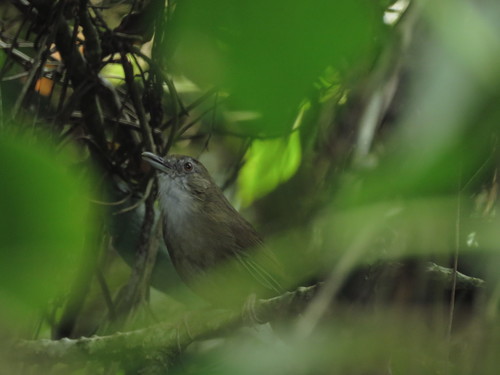 Tordina de Abbott
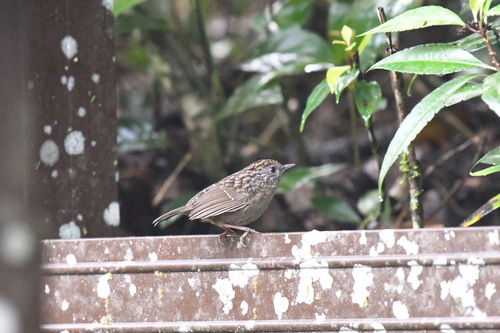 Ratina Colicorta
En breve
La marca de campo más confiable para separar la Tordina de Abbott de la Ratina Colicorta es la presencia de rayas audaces en las partes inferiores de la Ratina Colicorta, que está completamente ausente en la Tordina de Abbott. La Tordina de Abbott es un ave de color marrón oliva apagado con una garganta y un centro de vientre blancos, un subcobertor de cola oxidado y sin rayas, mientras que la Ratina Colicorta está densamente rayada por debajo y por encima, lo que le da una apariencia mucho más patrón. La Tordina de Abbott es ligeramente más grande, con una estructura más robusta y un pico más pesado, y se suele ver en parejas en la parte baja de la densa maleza. Ambas especies pueden superponerse en rango y hábitat, pero su plumaje y estructura son las mejores pistas de campo.
Consejos de identificación
- Partes inferiores rayadas: La Ratina Colicorta siempre muestra rayas audaces en las partes inferiores y a menudo también por encima, a todas las edades. La Tordina de Abbott está completamente sin rayas por debajo; esta es la marca de campo más confiable en cualquier vista.
- Sencillez vs patrón: La Tordina de Abbott es un ave sencilla, de color marrón oliva apagado con una garganta y un centro de vientre blancos, flancos oliva y subcobertores de cola oxidados. La Ratina Colicorta es mucho más patrón y contrastante, con rayas pesadas y sin ventrículo oxidado.
- Cola y estructura: La Tordina de Abbott tiene una cola corta pero parece más robusta y sólida, con un pico pesado. La Ratina Colicorta es más pequeña, más compacta y tiene una cola proporcionalmente más corta y un pico más fino.
- Confusión juvenil: Incluso los juveniles de la Tordina de Abbott, con su corona y partes superiores de color marrón rufescente más oscuro, carecen de rayas por debajo. Cualquier juvenil rayado es una Ratina Colicorta.
- Supercilio y lore: La Tordina de Abbott puede mostrar un supercilio y lore gris claro, pero estos son sutiles y no un separador fuerte. La cara de la Ratina Colicorta es más patrón debido a las rayas.
- Color del subcobertor de cola: La Tordina de Abbott tiene subcobertores de cola y ventrículo oxidados brillantes, que faltan en la Ratina Colicorta.
- Contexto de hábitat: Si se ve en crecimiento secundario, borde de bosque o hábitats perturbados, es más probable que sea la Tordina de Abbott. En el interior de un bosque denso y no perturbado, ambas son posibles, pero la Ratina Colicorta es más típica.
- Comportamiento: La Tordina de Abbott se ve a menudo en parejas, forrajeando bajo y a veces a la vista, mientras que la Ratina Colicorta es más secreta, a menudo solitaria o en pequeños grupos, y se mantiene en la cubierta densa.
- Vuelo y movimiento: La Tordina de Abbott vuela con batidos de alas laboriosos y rápidamente desaparece en la cubierta, a veces saltando. La Ratina Colicorta es más propensa a escabullirse o arrastrarse a través de la densa vegetación.
- Voz: La canción de la Tordina de Abbott es una corta serie de notas ricas, fluyentes y arrastradas, y su dúo es distintivo. Si escuchas esto, es diagnóstico para la Tordina de Abbott. La voz de la Ratina Colicorta no se describe aquí, por lo que la ausencia de esta canción no es concluyente.
- Sexo y estación: Ambas especies son similares entre sexos y no muestran cambios estacionales fuertes en el plumaje, por lo que estos no son separadores útiles.
- Abundancia local: Ambas especies pueden ser comunes en sus hábitats preferidos, pero la Tordina de Abbott es más adaptable a áreas perturbadas.
- Forma del pico: La Tordina de Abbott tiene un pico más pesado y robusto, útil si se ve bien.
- Trampa: No confíes solo en el patrón sutil de la cara o el supercilio, ya que estos pueden ser variables y engañosos. Concéntrate en las rayas y el patrón general.
- Cuando tengas dudas: Si ves una tordina sencilla, sin rayas, de color marrón oliva con una garganta blanca y un ventrículo oxidado, es la Tordina de Abbott. Si el ave está rayada por debajo o por encima, es la Ratina Colicorta.
Tamaño
La Tordina de Abbott es ligeramente más grande, midiendo alrededor de 12–13 cm de longitud, y tiene una construcción notablemente más robusta con un pico pesado y cola corta [wikipedia]. La Ratina Colicorta es generalmente más pequeña y compacta, con una cola proporcionalmente más corta y un pico más fino, aunque no se dan medidas precisas en las fuentes. En el campo, la Tordina de Abbott a menudo parece más voluminosa y robusta, mientras que la Ratina Colicorta es más delicada y redondeada.
Plumaje
- Plumaje juvenil/inmaduro: El juvenil de la Tordina de Abbott muestra coronas y partes superiores de color marrón rufescente oscuro, pero aún carece de cualquier rayado por debajo. La Ratina Colicorta, en contraste, está rayada tanto por encima como por debajo a todas las edades, lo que hace que esta sea la diferencia visual más inmediata en cualquier plumaje.
- Plumaje adulto: La Tordina de Abbott es de color marrón oliva sencillo por encima con una garganta y pecho grisáceo-blanco, centro de vientre blanco, flancos oliva y subcobertores de cola oxidados. No hay rayas en ninguna parte. La Ratina Colicorta está fuertemente rayada en las partes inferiores y superiores, lo que le da un aspecto mucho más patrón y contrastante. La Tordina de Abbott tiene un supercilio y lore gris claro variables, pero estos son sutiles en comparación con las audaces rayas de la Ratina Colicorta. El subcobertor de cola de la Tordina de Abbott es oxidado, lo que no es una característica de la Ratina Colicorta. Los sexos son similares en la Tordina de Abbott; no se observan diferencias sexuales en la Ratina Colicorta.
Comportamiento
La Tordina de Abbott se ve generalmente en parejas, forrajeando cerca del suelo en densa maleza, a menudo cerca de arroyos o vegetación enredada. Cuando se siente perturbada, vuela con batidos de alas laboriosos y desaparece rápidamente en la cubierta, a veces saltando fuera de la vista. La Ratina Colicorta también prefiere la densa maleza del bosque, pero es más probable que se encuentre sola o en pequeños grupos, moviéndose rápidamente y a menudo de manera más secreta. Ambas especies son esquivas, pero la Tordina de Abbott es más probable que se vea en enredos abiertos o en el borde del bosque, mientras que la Ratina Colicorta está más estrictamente ligada a los interiores densos y húmedos del bosque.
Hábitat
Ambas especies se superponen en bosques húmedos de tierras bajas y montanos subtropicales o tropicales en el sur y sureste de Asia. La Tordina de Abbott es más tolerante al crecimiento secundario, matorrales y bosques perturbados, y puede encontrarse en el borde del bosque o en áreas en regeneración. La Ratina Colicorta está más estrechamente asociada con los interiores densos y húmedos del bosque y es menos probable que se encuentre en hábitats perturbados o secundarios. Si estás en crecimiento abierto, borde o secundario, es más probable que veas la Tordina de Abbott; en un bosque denso y no perturbado, ambas son posibles, pero la Ratina Colicorta es más típica.
Voz
La Tordina de Abbott tiene una canción distintiva y variable de tres o cuatro notas ricas, fluyentes y arrastradas, a veces interrumpidas, a veces rápidas. Sus llamadas incluyen suaves notas de maullido y un trino pulsante y ronroneante cuando está agitada. El dúo antiphonal también es distintivo, con el 'pobre' del macho seguido por el 'querido querido' de la hembra. Las vocalizaciones de la Ratina Colicorta no se describen en las notas proporcionadas, por lo que la voz solo es un separador confiable si se escucha la canción o el dúo distintivo de la Tordina de Abbott.