

Abbott's Babbler vs Streaked Wren-Babbler
Malacocincla abbotti contro Gypsophila brevicaudata
Fai un quiz con Abbott's Babbler e Streaked Wren-Babbler
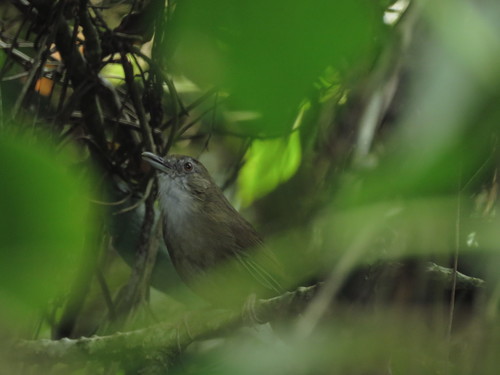 Abbott's Babbler
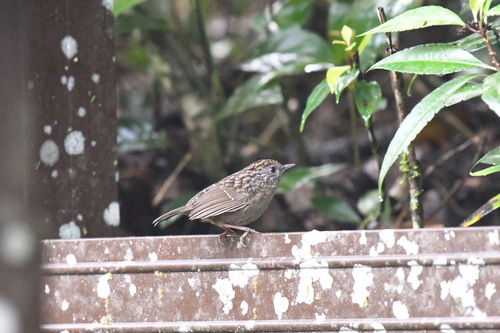 Streaked Wren-Babbler
In breve
Il segno distintivo più affidabile per separare Abbott's Babbler da Streaked Wren-Babbler è la presenza di striature audaci sulla parte inferiore dello Streaked Wren-Babbler, che è completamente assente nell'Abbott's Babbler. Abbott's Babbler è un uccello di colore oliva-marrone opaco con una gola e un centro del ventre bianchi, un sottocoda ruggine e senza striature, mentre lo Streaked Wren-Babbler è densamente striato sopra e sotto, conferendogli un aspetto molto più decorato. L'Abbott's Babbler è leggermente più grande, con una struttura più robusta e un becco più pesante, e viene tipicamente visto in coppie basse in una fitta vegetazione. Entrambe le specie possono sovrapporsi in distribuzione e habitat, ma il loro piumaggio e la loro struttura sono i migliori indizi sul campo.
Consigli di identificazione
- Streaked underparts: Streaked Wren-Babbler mostra sempre striature audaci sulla parte inferiore e spesso anche sopra, a tutte le età. Abbott's Babbler è completamente privo di striature sotto—questo è il segno distintivo più affidabile in qualsiasi vista.
- Plainness vs pattern: Abbott's Babbler è un uccello semplice, opaco di colore oliva-marrone con una gola e un centro del ventre bianchi, fianchi oliva e copritrici del sottocoda ruggine. Streaked Wren-Babbler è molto più decorato e contrastante, con pesanti striature e senza ventrino ruggine.
- Tail and structure: Abbott's Babbler ha una coda corta ma appare più massiccio e robusto, con un becco pesante. Streaked Wren-Babbler è più piccolo, più compatto e ha una coda proporzionalmente più corta e un becco più fine.
- Juvenile confusion: Anche il giovane Abbott's Babbler, con la sua corona e le parti superiori di un marrone rufescente più scuro, manca di striature sotto. Qualsiasi giovane striato è Streaked Wren-Babbler.
- Supercilium and lores: Abbott's Babbler può mostrare un supercilium e lore grigio chiaro, ma questi sono sottili e non un forte separatore. Il volto dello Streaked Wren-Babbler è più decorato a causa delle striature.
- Undertail color: Abbott's Babbler ha copritrici del sottocoda e ventrino ruggine brillanti, che mancano nello Streaked Wren-Babbler.
- Habitat context: Se visto in crescita secondaria, al margine della foresta o in habitat disturbati, è più probabile che si tratti di Abbott's Babbler. In una fitta foresta interna non disturbata, entrambe le specie sono possibili, ma Streaked Wren-Babbler è più tipico.
- Behavior: Abbott's Babbler è spesso in coppie, cercando cibo in basso e talvolta in aperto, mentre Streaked Wren-Babbler è più segreto, spesso solitario o in piccoli gruppi, e si mantiene in copertura densa.
- Flight and movement: Abbott's Babbler vola con battiti d'ala affaticati e scompare rapidamente nella copertura, a volte saltando via. Streaked Wren-Babbler è più probabile che scivoli o strisci attraverso la vegetazione densa.
- Voice: Il canto dell'Abbott's Babbler è una breve serie di note ricche, flautate e slavate, e il suo duetto è distintivo. Se senti questo, è diagnostico per Abbott's Babbler. La voce dello Streaked Wren-Babbler non è descritta qui, quindi l'assenza di questo canto non è conclusiva.
- Sex and season: Entrambe le specie sono simili tra i sessi e non mostrano forti cambiamenti nel piumaggio stagionale, quindi questi non sono separatori utili.
- Local abundance: Entrambe le specie possono essere comuni nei loro habitat preferiti, ma Abbott's Babbler è più adattabile agli ambienti disturbati.
- Bill shape: Abbott's Babbler ha un becco più pesante e robusto, utile se visto bene.
- Pitfall: Non fare affidamento solo su un sottile motivo del volto o supercilium, poiché questi possono essere variabili e fuorvianti. Concentrati sulle striature e sul motivo generale.
- When in doubt: Se vedi un babbler semplice, non striato, di colore oliva-marrone con una gola bianca e un ventrino ruggine, è Abbott's. Se l'uccello è striato sopra o sotto, è Streaked Wren-Babbler.
Taglia
Abbott's Babbler è leggermente più grande, misurando circa 12–13 cm di lunghezza, e ha una struttura visibilmente più robusta con un becco pesante e una coda corta [wikipedia]. Streaked Wren-Babbler è generalmente più piccolo e più compatto, con una coda proporzionalmente più corta e un becco più fine, sebbene le misurazioni precise non siano fornite nelle fonti. Sul campo, Abbott's Babbler appare spesso più massiccio e robusto, mentre Streaked Wren-Babbler è più delicato e arrotondato.
Piumaggio
- Juvenile/immature plumage: Il giovane Abbott's Babbler mostra corone e parti superiori di un marrone rufescente scuro, ma manca ancora di qualsiasi striatura sotto. Streaked Wren-Babbler, al contrario, è striato sia sopra che sotto a tutte le età, rendendo questa la differenza visiva più immediata in qualsiasi piumaggio.
- Adult plumage: Abbott's Babbler è di un semplice colore oliva-marrone sopra con una gola e un petto grigio-bianco, un centro del ventre bianco, fianchi oliva e copritrici del sottocoda ruggine. Non ci sono striature da nessuna parte. Streaked Wren-Babbler è pesantemente striato sulle parti inferiori e superiori, conferendo un aspetto molto più decorato e contrastante. Abbott's ha un supercilium e lore grigio chiaro variabili, ma questi sono sottili rispetto alle audaci striature dello Streaked Wren-Babbler. Il sottocoda di Abbott's è ruggine, che non è una caratteristica dello Streaked Wren-Babbler. I sessi sono simili nell'Abbott's Babbler; non sono notate differenze sessuali per lo Streaked Wren-Babbler.
Comportamento
Abbott's Babbler è solitamente visto in coppie, cercando cibo vicino al suolo in una fitta vegetazione, spesso vicino a corsi d'acqua o vegetazione intrecciata. Quando disturbato, vola con battiti d'ala affaticati e scompare rapidamente nella copertura, a volte saltando fuori dalla vista. Streaked Wren-Babbler preferisce anch'esso una fitta vegetazione forestale, ma è più probabile trovarlo singolarmente o in piccoli gruppi, muovendosi rapidamente e spesso in modo più riservato. Entrambe le specie sono schive, ma Abbott's Babbler è più probabile che venga visto in grovigli aperti o al margine della foresta, mentre Streaked Wren-Babbler è più strettamente legato agli interni forestali densi e umidi.
Habitat
Entrambe le specie si sovrappongono in foreste umide tropicali o subtropicali e montane in tutto il Sud e Sud-est asiatico. Abbott's Babbler è più tollerante alla crescita secondaria, ai cespugli e alle foreste disturbate, e può essere trovato al margine della foresta o in aree in rigenerazione. Streaked Wren-Babbler è più strettamente associato agli interni forestali densi e umidi ed è meno probabile trovarlo in habitat disturbati o secondari. Se ti trovi in crescita aperta, al margine o secondaria, è più probabile che si tratti di Abbott's Babbler; in una fitta foresta non disturbata, entrambe le specie sono possibili, ma Streaked Wren-Babbler è più tipico.
Voce
Abbott's Babbler ha un canto distintivo e variabile di tre o quattro note ricche, flautate e slavate, a volte interrotte, a volte rapide. I suoi richiami includono note morbide e un trill pulsante e vibrante quando è agitato. Il duetto antiphonale è anche distintivo, con il 'poor'ol bear' del maschio seguito dal 'dear dear' della femmina. Le vocalizzazioni dello Streaked Wren-Babbler non sono descritte nelle note fornite, quindi la voce è solo un separatore affidabile se si sente il canto o il duetto distintivo dell'Abbott's Babbler.
Abbott's Babbler · Streaked Wren-Babbler · I miei uccelli difficili