

Motmot

ノドジロシロメジリハチドリ 対 バラエリフトオハチドリ

Lampornis castaneoventris 対 Selasphorus flammula

ノドジロシロメジリハチドリとバラエリフトオハチドリのクイズ
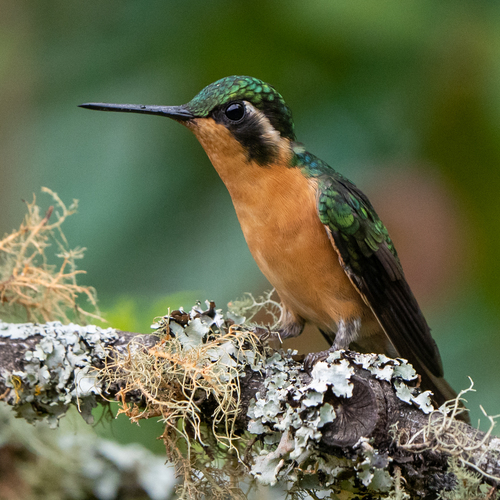
ノドジロシロメジリハチドリ (Lampornis castaneoventris) ノドジロシロメジリハチドリ
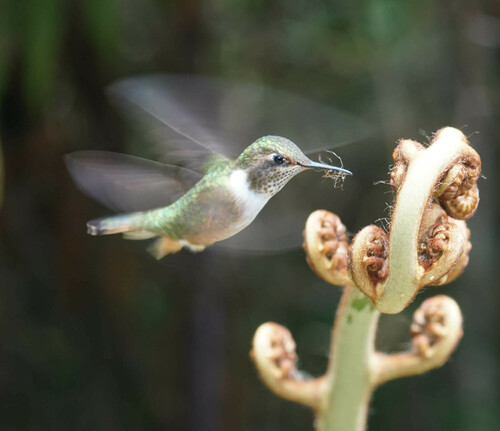
バラエリフトオハチドリ (Selasphorus flammula) バラエリフトオハチドリ

メディア

読み込み中…

要点

ホワイトスロートマウンテンジェムとバルカンハチドリを区別する最も信頼できるフィールドマークはサイズです:マウンテンジェムは明らかに大きくてがっしりしており、より長く、太いくちばしと、止まっているときも飛んでいるときもより頑丈な印象を与えます。羽毛については、成鳥のオスのマウンテンジェムは目を引く白い喉と緑の冠を持っているのに対し、バルカンハチドリのオスは小さくカラフルなゴルゲット(亜種によってはモーブ紫またはバラ色)と主に白い腹部を示します。メスと幼鳥はより難しい場合がありますが、マウンテンジェムのメスははるかに大きく、暗い赤褐色の腹を持っており、バルカンハチドリの主に白い腹部とは異なります。尾のパターンも重要です:バルカンハチドリ(両性)は尾に赤褐色と黒を示し、マウンテンジェムのメスはより均一な緑または青銅色の尾を持っています。フィールドでは、文脈が役立ちます—バルカンハチドリは小さく、素早く、しばしば低い位置で餌を探し、マウンテンジェムは花の周りで優位に立ち、はるかに存在感があります。

識別のコツ

  1. サイズが最初のチェック:ホワイトスロートマウンテンジェムはバルカンハチドリのほぼ2倍の質量と長さがあります。鳥が小さくて繊細に見える場合、それはほぼ確実にバルカンハチドリです。
  2. くちばしの形と長さ:マウンテンジェムは明らかに長く、太く、まっすぐなくちばしを持っています;バルカンハチドリのくちばしは短く、細く、まっすぐです。
  3. 尾のパターン(すべての年齢、両性):バルカンハチドリは常に尾に赤褐色と黒を示します(赤褐色の基部、黒い帯、バフィー/白い先端)、飛んでいるときや扇状に広げたときに見えます。マウンテンジェムのメスはより均一な緑または青銅色の尾を持ち、オスは赤褐色がない黒っぽい尾を持っています。
  4. 成鳥のオスの喉の色:マウンテンジェムのオスは大胆な白い喉と顎を持ち、緑の首と上胸の側面と対照的です。バルカンハチドリのオスは小さく、虹色のゴルゲット(モーブ紫またはバラ色)を持ち、その他は白い腹部です。
  5. メス/幼鳥の腹部:マウンテンジェムのメスは暗い赤褐色の喉と腹を持っているのに対し、バルカンハチドリのメスと幼鳥は主に白い腹部を持ち、バフィーまたはシナモン色の側面と青銅色の斑点のある白っぽい喉を持っています。
  6. 冠の色:マウンテンジェムのオスだけがエメラルドグリーンの冠を示します;バルカンハチドリはこの特徴を欠いています。
  7. 頬と顔のパターン:両者とも目の後ろに白い斑点またはストライプがありますが、マウンテンジェムのものはより対照的な暗い頬の顔の一部であり、バルカンハチドリのものはより控えめです。
  8. 上面の色:両者とも上面は緑ですが、マウンテンジェムはより暗く、青銅色が強いです、特にオスの場合;バルカンハチドリは青銅色の緑ですが、より淡く、頑丈さに欠けます。
  9. 花での行動:マウンテンジェムは攻撃的で優位に立ち、他のハチドリを追いかけることがよくあります;バルカンハチドリは内気で素早く、長い間テリトリーを保持することはほとんどありません。
  10. 飛行スタイル:バルカンハチドリは迅速で機敏で、しばしば低い位置で茂みの中をホバリングします;マウンテンジェムはより安定しており、より直接的で、重い印象を与えます。
  11. 生息地の文脈:密なオークの森や森の端ではマウンテンジェムを期待し、開けた茂みや高地のパラモではバルカンハチドリの方が可能性が高いです。
  12. 鳴き声:マウンテンジェムからは高く鋭い「ziit」または「ziip」が聞こえ、バルカンハチドリからは柔らかいチップ音、細い笛のような「teeeeeuu」、オス同士の争いの際のツイッター音が聞こえます。
  13. 幼鳥/未熟な混同:若いバルカンハチドリは上面にバフィーの縁取りがありますが、依然として特徴的な尾のパターンを示します;マウンテンジェムの幼鳥は詳細には記述されていませんが、はるかに大きく、赤褐色/黒の尾を欠いているはずです。
  14. 止まっている姿勢:マウンテンジェムはがっしりとして直立して見えます;バルカンハチドリは優雅で、しばしば茂みの低い位置に止まります。
  15. 落とし穴—メスの混同:白い喉と赤褐色/黒の尾を持つ小さなハチドリを見た場合、それはバルカンハチドリであり、マウンテンジェムのメスではありません、緑の上面に関係なく。

大きさ

ホワイトスロートマウンテンジェムは約12 cmの長さと5〜6 gの重さで、かなり大きいです。バルカンハチドリははるかに小さく、長さはわずか7.5〜8 cm、重さは2.5〜2.8 gです。マウンテンジェムはハチドリとしては頑丈でがっしりして見えますが、バルカンハチドリは小さく、繊細で、短いくちばしを持っています。このサイズの違いは、特に両種が同じ餌場にいるときには、遠くからでも明らかです。

羽色

どちらの種についても特徴的な幼鳥や未熟な上翼のパターンは記述されていないため、区別は体と尾の羽毛に依存します。成鳥のオスのマウンテンジェムは大胆な白い喉、エメラルドグリーンの冠、暗い青銅色の上面を持ち、黒っぽい尾を持っています。メスは上面が完全に明るい緑で、暗い赤褐色の喉と腹、緑から青銅色の尾を持っています。バルカンハチドリのオス(指名亜種)は青銅色の緑の上面、小さなモーブ紫のゴルゲット、主に白い腹部にバフィーまたはシナモン色の側面、赤褐色の縁取りのある黒い外尾羽を持っています。メスは上面が似ていますが、青銅色の斑点のある白っぽい喉、主に白い腹部、緑の中央羽と赤褐色の基部、黒い帯、バフィーから白い先端を持つ尾を持っています。幼鳥は成鳥のメスに似ていますが、上面にバフィーの縁取りがあります。バルカンハチドリは常に尾に赤褐色と黒のいくつかを示し、これはマウンテンジェムには欠けています。バルカンハチドリの亜種の変異はゴルゲットの色と腹部のトーンに影響を与えますが、マウンテンジェムとの重要な対比には影響しません。

行動

ホワイトスロートマウンテンジェムは花のパッチで優位に立ち、特にオスはバルカンハチドリのような小さなハチドリに対して攻撃的です。森林の内部や森の端でエピファイトで餌を探すことがよくあります。バルカンハチドリははるかに優位性が低く、主に茂み、つる、ハーブの小さな花で餌を探し、素早く機敏で、しばしば低い位置でホバリングしたり、止まり木の間を飛び回ったりします。両種は小さな節足動物を食べますが、マウンテンジェムはテリトリーを守っているのが見られることが多いのに対し、バルカンハチドリはより隠密で対立が少ないです。

生息環境

両種はコスタリカの高地とパナマの西部に生息していますが、マウンテンジェムはオークの森の内部、端、茂みの開けた場所、そして森の近くの庭により密接に結びついています。バルカンハチドリも高地の種ですが、開けた茂みのある地域、パラモ、そしてより高い標高、しばしば樹木の上に見られることが多いです。重複はありますが、マウンテンジェムはより密な森や森の端にいる可能性が高く、バルカンハチドリは開けた、茂みのある、高地の生息地を好みます。

声

ホワイトスロートマウンテンジェムは高音の「ziit」または「ziip」の呼び声と、泡立つような歌を発します。バルカンハチドリは餌を探しているときに柔らかいチップ音、細い笛のような「teeeeeuu」、オス同士の争いの際のツイッター音を出します。ディスプレイ中、バルカンハチドリのオスは機械的な尾の音を出します。マウンテンジェムの呼び声はより鋭く高く、バルカンハチドリの呼び声はより柔らかく、ディスプレイ中に特徴的な機械音を含みます。

より良い説明を送る

比較と同じ項目を使ってください。文章はすぐに公開されます。

The most reliable field mark to separate White-throated Mountain-gem from Volcano Hummingbird is size: the Mountain-gem is noticeably larger and bulkier, with a longer, thicker bill and a more robust jizz both perched and in flight. For plumage, adult male Mountain-gems have a striking white throat and green crown, while Volcano Hummingbird males show a small, colorful gorget (mauve-purple or rose-red depending on subspecies) and mostly white underparts. Females and immatures can be trickier, but the Mountain-gem female is much larger and has a dark rufous belly, unlike the Volcano Hummingbird's mostly white underparts with buffy sides. Tail pattern is also key: Volcano Hummingbird (both sexes) shows rufous and black in the tail, while Mountain-gem females have more uniform green or bronze tails. In the field, context helps—Volcano Hummingbird is tiny, quick, and often feeds low, while Mountain-gem is dominant at flowers and appears much more substantial.

  1. Size is the first check: White-throated Mountain-gem is nearly twice the mass and much longer than Volcano Hummingbird. If the bird looks tiny and delicate, it's almost certainly Volcano Hummingbird.
  2. Bill shape and length: Mountain-gem has a noticeably longer, thicker, and straighter black bill; Volcano Hummingbird's bill is short, fine, and straight.
  3. Tail pattern (all ages, both sexes): Volcano Hummingbird always shows rufous and black in the tail (rufous bases, black band, buffy/white tips), visible in flight or when fanned. Mountain-gem females have more uniform green or bronze tails, and males have a blackish tail with no rufous.
  4. Adult male throat color: Mountain-gem males have a bold white throat and chin, contrasting with green sides of neck and upper breast. Volcano Hummingbird males have a small, iridescent gorget (mauve-purple or rose-red) and otherwise white underparts.
  5. Female/immature underparts: Mountain-gem females have a dark rufous throat and belly, while Volcano Hummingbird females and immatures are mostly white below with buffy or cinnamon-washed sides and a whitish throat with bronze speckles.
  6. Crown color: Only Mountain-gem males show an emerald green crown; Volcano Hummingbird lacks this feature.
  7. Cheek and face pattern: Both have a white spot or stripe behind the eye, but Mountain-gem's is part of a more contrasting dark-cheeked face, while Volcano Hummingbird's is subtler.
  8. Upperpart color: Both are green above, but Mountain-gem is darker and more bronzy, especially in males; Volcano Hummingbird is bronze-green but paler and less robust.
  9. Behavior at flowers: Mountain-gem is aggressive and dominant, often chasing other hummingbirds; Volcano Hummingbird is shy, quick, and rarely holds territory for long.
  10. Flight style: Volcano Hummingbird is rapid, agile, and often hovers low among shrubs; Mountain-gem is steadier and more direct, with a heavier jizz.
  11. Habitat context: In dense oak forest or at forest edge, expect Mountain-gem; in open shrubby or high-altitude paramo, Volcano Hummingbird is more likely.
  12. Vocalizations: Listen for high, sharp 'ziit' or 'ziip' from Mountain-gem versus soft chips, thin whistles, and mechanical tail sounds from Volcano Hummingbird.
  13. Juvenile/immature confusion: Young Volcano Hummingbirds have buffy fringes on upperparts but still show the distinctive tail pattern; Mountain-gem juveniles are not described in detail but should be much larger and lack rufous/black tail.
  14. Perched posture: Mountain-gem appears heavyset and upright; Volcano Hummingbird is dainty and often perches low in shrubs.
  15. Pitfall—female confusion: If you see a small hummingbird with a white throat and rufous/black tail, it's Volcano Hummingbird, not a Mountain-gem female, regardless of green upperparts.

White-throated Mountain-gem is significantly larger, at about 12 cm in length and 5–6 g in weight, with a medium-length, straight black bill. Volcano Hummingbird is much smaller, only 7.5–8 cm long and weighing 2.5–2.8 g. The Mountain-gem looks robust and heavyset for a hummingbird, while the Volcano Hummingbird is tiny, delicate, and short-billed. This size difference is obvious even at a distance, especially when both species are present at the same feeding site.

No distinctive juvenile or immature upperwing pattern is described for either species, so separation relies on body and tail plumage. Adult male Mountain-gems have a bold white throat, emerald green crown, and dark bronzy green upperparts, with a blackish tail. Females are entirely bright green above with a dark rufous throat and belly, and greenish to bronze tails. Volcano Hummingbird males (nominate) have bronze-green upperparts, a small mauve-purple gorget, mostly white underparts with buffy or cinnamon-washed sides, and rufous-edged black outer tail feathers. Females are similar above but have a whitish throat with dusky bronze speckles, mostly white underparts, and a tail with green central feathers and rufous bases, black bands, and buffy to white tips. Juveniles resemble adult females but have buffy fringes on the upperparts. The Volcano Hummingbird always shows some rufous and black in the tail, which is lacking in Mountain-gem. Subspecies variation in Volcano Hummingbird affects gorget color and underpart tone but not the key contrast with Mountain-gem.

White-throated Mountain-gem is dominant at flower patches, especially males, and is aggressive toward smaller hummingbirds like Volcano Hummingbird. It often feeds at epiphytes in the forest interior or at forest edge. Volcano Hummingbird is much less dominant, foraging mostly at small flowers on shrubs, vines, and herbs, and is quick and agile, often hovering low or darting between perches. Both species glean small arthropods, but the Mountain-gem is more likely to be seen defending a territory, while Volcano Hummingbird is more furtive and less confrontational.

Both species occur in highland Costa Rica and western Panama, but Mountain-gem is more closely tied to the interior, edges, and shrubby clearings of oak forest, as well as gardens near forest. Volcano Hummingbird is also a highland species but is more frequently found in open shrubby areas, paramo, and at higher elevations, often above the treeline. Overlap occurs, but Mountain-gem is more likely in denser forest or forest edge, while Volcano Hummingbird prefers open, brushy, or high-altitude habitats.

White-throated Mountain-gem gives high-pitched 'ziit' or 'ziip' calls and a sputtery, bubbly song. Volcano Hummingbird produces soft chip notes while foraging, a thin whistled 'teeeeeuu', and a twittering 'scolding' call during male disputes. In display, Volcano Hummingbird males make mechanical tail sounds. The Mountain-gem's calls are sharper and higher, while Volcano Hummingbird's are softer and include distinctive mechanical sounds during display.

変更を破棄しますか?

保存していない編集があります。今離れると失われます。

ノドジロシロメジリハチドリ · バラエリフトオハチドリ · 苦手な鳥