

Motmot

ハワイノスリ 対 ミジカオノスリ

Buteo solitarius 対 Buteo brachyurus

ハワイノスリとミジカオノスリのクイズ

ハワイノスリ (Buteo solitarius) ハワイノスリ
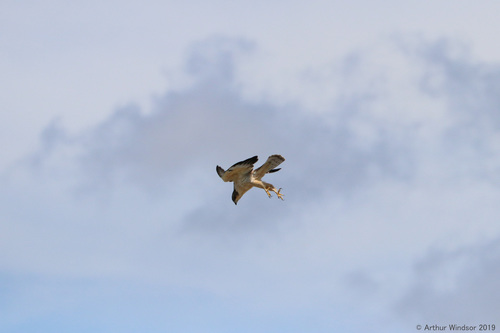
ミジカオノスリ (Buteo brachyurus) ミジカオノスリ

メディア

読み込み中…

要点

ハワイノスリとミジカオノスリを区別する最も信頼できる方法は分布です:ハワイノスリはハワイに特有で(現在はビッグアイランドのみ)、ミジカオノスリはアメリカ大陸に生息しています。現地では、両種は明るい色合いと暗い色合いの変異を示しますが、ハワイノスリはよりがっしりとしており、しばしば黄色い脚(成鳥)または緑がかった脚(幼鳥)を示します。一方、ミジカオノスリはスリムで、より高く舞い上がっているのがよく見られます。幼鳥の脚の色や翼の下の模様の微妙な違いが役立つかもしれませんが、羽毛の重複に注意してください。止まっている鳥は特に難しいです;構造と文脈に注目してください。

識別のコツ

  1. 地理的分布が決定的:ハワイノスリはビッグアイランドのみに生息し、ミジカオノスリはハワイには存在しません。ビッグアイランドの外にいる場合は、すぐにハワイノスリを除外してください。
  2. 脚の色:成鳥のハワイノスリは黄色い脚を持ち、幼鳥は緑がかった脚を持っています。ミジカオノスリの脚の色は指定されていませんが、この違いは脚が見える場合や幼鳥を疑う場合に役立ちます。
  3. 羽毛の変異が重複:両種は明るい色合いと暗い色合いの変異を持っているため、全体の色だけに頼らないでください。暗い変異のハワイノスリは均一に暗い茶色で、明るい変異は暗い頭と淡い腹部を持っています;ミジカオノスリの変異は似ていますが、ここでは詳細に説明されていません。
  4. 繁殖期の黄色い前頭部:1羽のハワイノスリ(おそらく雌)は繁殖期にくちばしの上に黄色い斑点を示すことがありますが、これはミジカオノスリでは見られません。
  5. 構造:ハワイノスリはがっしりとしており、頑丈な体型を持っています。ミジカオノスリはスリムで、特に飛行中はより軽やかです。
  6. 止まっているときの行動:ミジカオノスリは止まっている姿がほとんど見られず、密な樹冠に隠れていることが多く、頭だけが見えることがあります。ハワイノスリは、ネイティブの森でオープンに止まっているのが見られる可能性が高いです。
  7. 飛行行動:ミジカオノスリは高く舞い上がり、風に対して静止した翼でホバリングすることがよく見られ、その後、獲物に対して垂直に急降下します。ハワイノスリの飛行スタイルはこれらのメモではあまり詳しく説明されていませんが、一般的には空中での活動が少ないです。
  8. 生息地:ハワイノスリはビッグアイランドのネイティブな ʻōhiʻa lehua 森に制限されています。ミジカオノスリはアメリカ大陸の森林の縁やオープンエリアを好みます。
  9. サイズ:ハワイノスリはわずかに大きく、がっしりしていますが、サイズは鳥が並んでいない限り信頼できるものではありません。
  10. 幼鳥の特徴:これらのメモでは、どちらの種についても独特の幼鳥の上翼や飛行の特徴は説明されていないため、未熟な個体の翼の模様に頼らないでください。
  11. 止まっているか舞い上がっているか:もしアメリカ大陸で高く舞い上がり、ホバリングしている Buteo を見たら、ミジカオノスリの可能性が高いです。ハワイの森に止まっているがっしりした Buteo はハワイノスリの可能性が高いです。
  12. 性差:雌のハワイノスリは雄よりも大きいですが、これはペアで一緒に見る場合を除いてフィールドマークではありません。
  13. 鳴き声:これらのメモでは診断的な鳴き声の違いは提供されていません。
  14. 落とし穴:全体の色や変異に頼らないでください;両種は非常に変動が大きいです。構造、脚の色、特に位置と生息地を使用してください。
  15. 文脈:常にどこでバードウォッチングをしているかを考慮してください—分布と生息地がこれらの2つの Buteo を区別する最も信頼できる手がかりです。

大きさ

ハワイノスリはわずかに大きく、がっしりしており、全長は40〜46 cmで、雌は平均605 g、雄は441 gです [wikipedia]。ミジカオノスリは提供されたメモでは直接測定されていませんが、一般的にはほとんどの Buteo よりもスリムで頑丈でないと説明されています。実際には、サイズの違いは微妙で、特に距離がある場合や飛行中は信頼できないことが多いです。

羽色

両種は明るい色合いと暗い色合いの変異を持っているため、羽毛だけでは迅速な識別が不可能です。ハワイノスリの成鳥は黄色い脚を持ち、幼鳥は緑がかった脚を示します—これはよく見えた場合に微妙ですが有用な特徴です。ハワイノスリの暗い変異は頭、胸、翼の下が均一に暗い茶色で、明るい変異は暗い頭が淡い胸部と翼の下と対比しています。ミジカオノスリも明るい色合いと暗い色合いの変異を持っていますが、フィールドノートではどちらの種についても独特の幼鳥や上翼のパターンは指定されていません。どちらの種についても年齢特有の上翼の特徴は説明されていないため、脚の色と全体の対比に注目してください。繁殖期には、1羽のハワイノスリ(おそらく雌)がくちばしの上に黄色い前頭部を示すことがありますが、これはミジカオノスリでは見られません。

行動

ミジカオノスリは最も高く舞い上がっている姿がよく見られ、止まっているときはほとんど見えません。密な樹冠に隠れていることが多く、頭だけが見えることがあります。主に空中から狩りを行い、ホバリングや垂直の急降下を使用します。ハワイノスリは、Buteo であるにもかかわらず、これらのメモでは空中狩りのスタイルについてあまり詳しく説明されていませんが、一般的にはオープンなネイティブの森で止まっている姿が見られる可能性が高いです。もし高く舞い上がり、ホバリングしている Buteo を見たら、特にアメリカ大陸ではミジカオノスリの可能性が高いです;ハワイの森に止まっているがっしりした Buteo はハワイノスリの可能性が高いです。

生息環境

ハワイノスリは現在ビッグアイランドのみに制限されており、ネイティブな ʻōhiʻa lehua 森で繁殖しています。ミジカオノスリはアメリカ大陸に生息し、アルゼンチン北部やブラジルから中央アメリカを経てフロリダやアリゾナにかけて、狩りのために森林の縁やオープンエリアを好みます。ビッグアイランドにいない場合は、ハワイノスリを見ていないことになります。ミジカオノスリは局所的で、止まっているときは見つけにくいですが、森林やオープンな国を舞い上がっている姿が見られることがあります。

より良い説明を送る

比較と同じ項目を使ってください。文章はすぐに公開されます。

The most reliable way to separate Hawaiian Hawk from Short-tailed Hawk is range: Hawaiian Hawk is endemic to Hawai‘i (now only on the Big Island), while Short-tailed Hawk is found in the Americas. In the field, both species show variable plumage with light and dark morphs, but the Hawaiian Hawk is chunkier and often shows yellow legs (adults) or greenish legs (juveniles), while Short-tailed Hawk is slimmer and more often seen soaring high. Juvenile leg color and subtle differences in underwing pattern may help, but beware of overlap in plumage. Perched birds are especially tricky; focus on structure and context.

  1. Geographic range is decisive: Hawaiian Hawk is only found on the Big Island of Hawai‘i; Short-tailed Hawk is never found in Hawai‘i. If you are outside the Big Island, rule out Hawaiian Hawk immediately.
  2. Leg color: Adult Hawaiian Hawks have yellow legs, while juveniles have greenish legs. Short-tailed Hawk leg color is not specified, but this difference can help if legs are visible and you suspect a juvenile.
  3. Plumage morphs overlap: Both species have light and dark morphs, so do not rely on overall color alone. The dark morph Hawaiian Hawk is uniformly dark brown, while the light morph has a dark head and pale underparts; Short-tailed Hawk morphs are similar but not described in detail here.
  4. Yellow forecap in breeding season: One Hawaiian Hawk (likely the female) may show a yellow patch above the bill during breeding—this is not seen in Short-tailed Hawk.
  5. Structure: Hawaiian Hawk is chunkier and more robust, with a stocky build. Short-tailed Hawk is slimmer and less bulky, especially in flight.
  6. Behavior when perched: Short-tailed Hawk is rarely seen perched and often hides in dense canopy, showing only the head. Hawaiian Hawk is more likely to be seen perched openly in native forest.
  7. Flight behavior: Short-tailed Hawk is often seen soaring high and kiting (hovering into the wind with stationary wings), then swooping vertically at prey. Hawaiian Hawk's flight style is less detailed in these notes but is generally less aerial.
  8. Habitat: Hawaiian Hawk is restricted to native ʻōhiʻa lehua forests on the Big Island. Short-tailed Hawk prefers wooded edges and open areas in the Americas.
  9. Size: Hawaiian Hawk is slightly larger and bulkier, but size is not always reliable unless the birds are side by side.
  10. Juvenile marks: No distinctive juvenile upperwing or flight marks are described for either species in these notes, so do not rely on wing pattern for immatures.
  11. Perched vs soaring: If you see a Buteo soaring high and kiting in the Americas, Short-tailed Hawk is likely. A chunky Buteo perched in a Hawaiian forest is likely Hawaiian Hawk.
  12. Sexual dimorphism: Female Hawaiian Hawks are larger than males, but this is not a field mark unless you see a pair together.
  13. Vocalizations: No diagnostic vocal differences are provided in these notes.
  14. Pitfalls: Do not rely on overall color or morph; both species are highly variable. Use structure, leg color, and especially location and habitat.
  15. Context: Always consider where you are birding—range and habitat are the most reliable clues for separating these two Buteos.

Hawaiian Hawk is slightly larger and bulkier, measuring 40–46 cm in length, with females averaging 605 g and males 441 g [wikipedia]. Short-tailed Hawk is not directly measured in the provided notes, but is generally described as slimmer and less robust than most Buteos. In practice, size differences are subtle and not always reliable in the field, especially at a distance or in flight.

Both species come in light and dark morphs, making plumage alone unreliable for quick ID. Hawaiian Hawk adults have yellow legs, while juveniles show greenish legs—a subtle but useful mark if seen well. The Hawaiian Hawk's dark morph is uniformly dark brown on head, breast, and underwings, while the light morph has a dark head contrasting with a pale breast and underwings. Short-tailed Hawk also has light and dark morphs, but field notes do not specify unique juvenile or upperwing patterns for either species. No distinctive age-specific upperwing marks are described for either species, so focus on leg color and overall contrast. During breeding, one Hawaiian Hawk (likely the female) may show a yellow forecap above the bill, which is not seen in Short-tailed Hawk.

Short-tailed Hawk is most often seen soaring high and is rarely visible when perched, as it tends to hide in dense canopy with only the head showing. It hunts mainly from the air, using kiting and vertical swoops. Hawaiian Hawk, while also a Buteo, is less described for aerial hunting style in these notes, but is generally more likely to be seen perched in open native forest. If you see a Buteo soaring high and kiting, especially in the Americas, Short-tailed Hawk is more likely; a chunky Buteo perched in a Hawaiian forest is likely Hawaiian Hawk.

Hawaiian Hawk is now restricted to the Big Island of Hawai‘i, breeding in native ʻōhiʻa lehua forests. Short-tailed Hawk is found in the Americas, from northern Argentina and Brazil through Central America to Florida and Arizona, preferring wooded edges and open areas for hunting. If you are not on the Big Island, you are not seeing a Hawaiian Hawk. Short-tailed Hawk is local and hard to spot when perched, but may be seen soaring over forests or open country.

変更を破棄しますか?

保存していない編集があります。今離れると失われます。

ハワイノスリ · ミジカオノスリ · 苦手な鳥