

Hawaiian Hawk vs Short-tailed Hawk
Buteo solitarius contro Buteo brachyurus
Fai un quiz con Hawaiian Hawk e Short-tailed Hawk
 Hawaiian Hawk
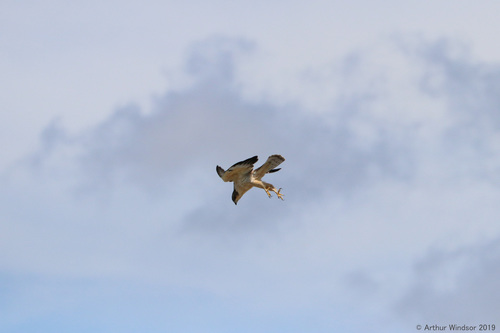 Short-tailed Hawk
In breve
Il modo più affidabile per separare il Hawaiian Hawk dallo Short-tailed Hawk è l'areale: il Hawaiian Hawk è endemico alle Hawai‘i (ora solo sull'Isola Grande), mentre lo Short-tailed Hawk si trova nelle Americhe. Sul campo, entrambe le specie mostrano piumaggio variabile con morfi chiari e scuri, ma il Hawaiian Hawk è più robusto e spesso mostra zampe gialle (adulti) o zampe verdastre (giovanili), mentre lo Short-tailed Hawk è più snello e più spesso visto librarsi in alto. Il colore delle zampe dei giovanili e le sottili differenze nel motivo delle ali inferiori possono aiutare, ma fai attenzione alla sovrapposizione nel piumaggio. Gli uccelli in perching sono particolarmente difficili; concentrati sulla struttura e sul contesto.
Consigli di identificazione
- L'areale geografico è decisivo: il Hawaiian Hawk si trova solo sull'Isola Grande delle Hawai‘i; lo Short-tailed Hawk non si trova mai alle Hawai‘i. Se sei al di fuori dell'Isola Grande, escludi immediatamente il Hawaiian Hawk.
- Colore delle zampe: gli adulti di Hawaiian Hawk hanno zampe gialle, mentre i giovanili hanno zampe verdastre. Il colore delle zampe dello Short-tailed Hawk non è specificato, ma questa differenza può aiutare se le zampe sono visibili e sospetti un giovanile.
- Sovrapposizione dei morfi del piumaggio: entrambe le specie hanno morfi chiari e scuri, quindi non fare affidamento solo sul colore generale. Il morfo scuro del Hawaiian Hawk è uniformemente marrone scuro, mentre il morfo chiaro ha una testa scura e parti inferiori chiare; i morfi dello Short-tailed Hawk sono simili ma non descritti in dettaglio qui.
- Cappuccio giallo in stagione di riproduzione: un Hawaiian Hawk (probabilmente la femmina) può mostrare una macchia gialla sopra il becco durante la riproduzione—questo non si vede nello Short-tailed Hawk.
- Struttura: il Hawaiian Hawk è più robusto e robusto, con una corporatura tozza. Lo Short-tailed Hawk è più snello e meno massiccio, specialmente in volo.
- Comportamento quando è in perching: lo Short-tailed Hawk è raramente visto in perching e spesso si nasconde in una fitta chioma, mostrando solo la testa. Il Hawaiian Hawk è più probabile che venga visto in perching apertamente nella foresta nativa.
- Comportamento di volo: lo Short-tailed Hawk è spesso visto librarsi in alto e kiting (sospendendosi nel vento con le ali ferme), per poi tuffarsi verticalmente sulla preda. Lo stile di volo del Hawaiian Hawk è meno dettagliato in queste note ma è generalmente meno aereo.
- Habitat: il Hawaiian Hawk è ristretto alle foreste native di ʻōhiʻa lehua sull'Isola Grande. Lo Short-tailed Hawk preferisce i bordi boschivi e le aree aperte nelle Americhe.
- Dimensioni: il Hawaiian Hawk è leggermente più grande e massiccio, ma le dimensioni non sono sempre affidabili a meno che gli uccelli non siano affiancati.
- Segni giovanili: non sono descritti segni distintivi di ali superiori o di volo giovanili per nessuna delle due specie in queste note, quindi non fare affidamento sul motivo delle ali per gli immaturi.
- In perching vs librarsi: se vedi un Buteo librarsi in alto e kiting nelle Americhe, è probabile che sia lo Short-tailed Hawk. Un Buteo massiccio in perching in una foresta hawaiana è probabilmente un Hawaiian Hawk.
- Dimorfismo sessuale: le femmine di Hawaiian Hawk sono più grandi dei maschi, ma questo non è un segno di campo a meno che tu non veda una coppia insieme.
- Vocalizzazioni: non sono fornite differenze vocali diagnostiche in queste note.
- Trappole: non fare affidamento sul colore generale o sul morfo; entrambe le specie sono altamente variabili. Usa la struttura, il colore delle zampe e soprattutto la posizione e l'habitat.
- Contesto: considera sempre dove stai osservando gli uccelli—l'areale e l'habitat sono gli indizi più affidabili per separare questi due Buteos.
Taglia
Il Hawaiian Hawk è leggermente più grande e massiccio, misurando 40–46 cm di lunghezza, con le femmine che pesano in media 605 g e i maschi 441 g [wikipedia]. Lo Short-tailed Hawk non è misurato direttamente nelle note fornite, ma è generalmente descritto come più snello e meno robusto della maggior parte dei Buteos. In pratica, le differenze di dimensioni sono sottili e non sempre affidabili sul campo, specialmente a distanza o in volo.
Piumaggio
Entrambe le specie presentano morfi chiari e scuri, rendendo il piumaggio da solo inaffidabile per un'identificazione rapida. Gli adulti di Hawaiian Hawk hanno zampe gialle, mentre i giovanili mostrano zampe verdastre—un segno sottile ma utile se visto bene. Il morfo scuro del Hawaiian Hawk è uniformemente marrone scuro su testa, petto e ali inferiori, mentre il morfo chiaro ha una testa scura che contrasta con un petto e ali inferiori chiari. Anche lo Short-tailed Hawk ha morfi chiari e scuri, ma le note di campo non specificano modelli unici per giovanili o ali superiori per nessuna delle due specie. Non sono descritti segni distintivi specifici per età sulle ali superiori per nessuna delle due specie, quindi concentrati sul colore delle zampe e sul contrasto generale. Durante la riproduzione, un Hawaiian Hawk (probabilmente la femmina) può mostrare un cappuccio giallo sopra il becco, che non si vede nello Short-tailed Hawk.
Comportamento
Lo Short-tailed Hawk è più spesso visto librarsi in alto ed è raramente visibile quando è in perching, poiché tende a nascondersi in una fitta chioma mostrando solo la testa. Caccia principalmente dall'aria, utilizzando il kiting e i tuffi verticali. Il Hawaiian Hawk, pur essendo anche un Buteo, è meno descritto per lo stile di caccia aerea in queste note, ma è generalmente più probabile che venga visto in perching in una foresta nativa aperta. Se vedi un Buteo librarsi in alto e kiting, specialmente nelle Americhe, è più probabile che sia lo Short-tailed Hawk; un Buteo massiccio in perching in una foresta hawaiana è probabilmente un Hawaiian Hawk.
Habitat
Il Hawaiian Hawk è ora ristretto all'Isola Grande delle Hawai‘i, riproducendosi nelle foreste native di ʻōhiʻa lehua. Lo Short-tailed Hawk si trova nelle Americhe, dall'Argentina settentrionale e dal Brasile attraverso l'America Centrale fino alla Florida e all'Arizona, preferendo i bordi boschivi e le aree aperte per la caccia. Se non sei sull'Isola Grande, non stai vedendo un Hawaiian Hawk. Lo Short-tailed Hawk è locale e difficile da individuare quando è in perching, ma può essere visto librarsi sopra foreste o campi aperti.
Hawaiian Hawk · Short-tailed Hawk · I miei uccelli difficili